Choosing a clutch kit for a global vehicle market is rarely as simple as matching a diameter. The phrase “clutch kit 240mm” describes the friction disc size, not complete compatibility. Spline count, hub profile, flywheel design, release bearing height, and pressure-plate clearance can change the result.
Dr. Martin H. Keller, a driveline engineering consultant, explains, “A clutch succeeds when its parts match the vehicle, not when its label looks familiar.” This practical view guides our selection. A reliable kit should handle the engine’s torque, traffic conditions, towing demands, and driver expectations. It should also include clearly identified components, usable installation instructions, and dependable regional support.
This guide reviews ten clutch kits for international buyers. We compare friction materials, clamp loads, pedal behavior, heat resistance, warranty terms, and supplier reputation. Real-world details matter. A kit may feel smooth during a short test, then show weakness on a steep road with a loaded vehicle. Another may offer stronger engagement but create tiring pedal effort in daily traffic.
There is no universal winner. That deserves emphasis. Vehicle databases can contain mistakes, especially across export markets and model-year changes. Buyers should confirm the transmission code, engine output, flywheel condition, and local parts availability before ordering. We also recognize a limitation: published specifications do not always predict long-term wear. Therefore, this ranking balances documented data with practical installation experience, independent feedback, and transparent fitment checks.
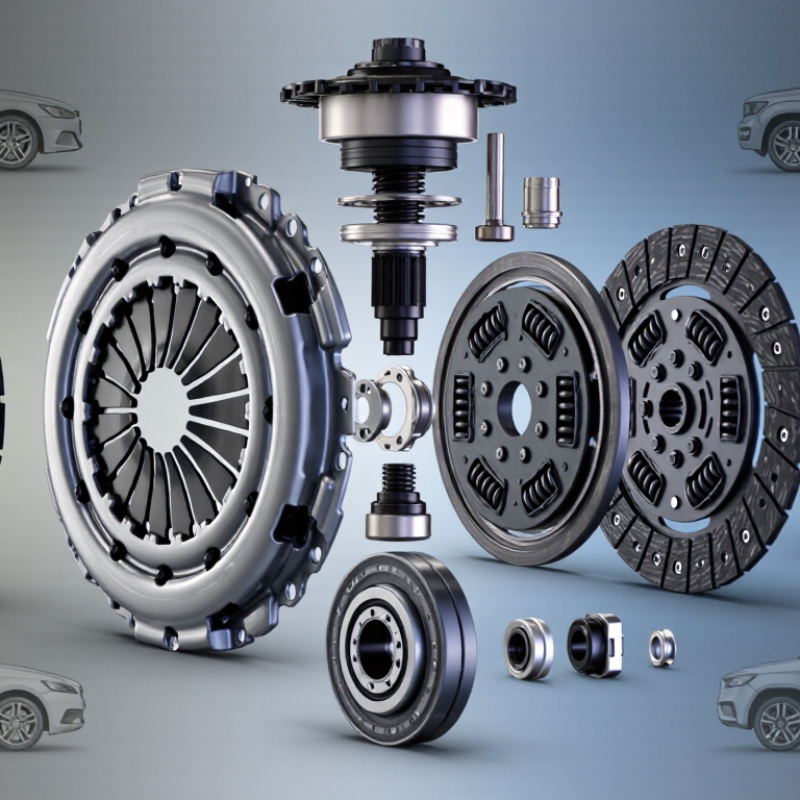
A 240 mm clutch kit is defined by its friction disc diameter, not by vehicle size alone. The disc usually measures about 240 millimetres across. Measure the old disc before ordering. A few millimetres can expose a serious mismatch.
Spline count matters just as much. The disc centre must match the transmission input shaft in both spline count and hub diameter. Count the teeth carefully, and record the hub measurement with a vernier caliper. Visual guessing is unreliable.
I have seen similar discs fit the flywheel but fail at the gearbox. That mistake wastes time and shipping costs.
Torque rating shows how much engine force the kit can manage under normal conditions. Compare the rating with the engine’s real torque, including approved modifications and heavy towing use. A kit rated too closely to the engine may slip during hill starts or repeated traffic. Too much clamping force can increase pedal effort and stress the release system. Balance matters.
Check the pressure plate, release bearing, pilot bearing, and alignment tool as one system. Some kits list a 240 mm disc but use different spline patterns or cover heights. Specifications are useful, but they are not perfect. Confirm flywheel step height and manufacturer data before purchase. This small check often prevents an expensive installation error.

A 240mm clutch kit should match the vehicle, not just the advertised “best” list. Buyers should check diameter, spline count, pressure-plate load, flywheel compatibility, and release-bearing dimensions. SAE J661 coefficient-of-friction data adds useful evidence when comparing friction materials. It shows how a lining performs under controlled test conditions.
A higher coefficient does not automatically mean better driving. The result can change with temperature, contact pressure, speed, and bedding quality. Organic linings often provide smooth engagement and lower noise. Ceramic or metallic blends may tolerate greater heat, but engagement can feel sharper. SAE J661 figures should be read beside wear, fade resistance, burst strength, and street-use behavior. Test data is valuable, but it is not the whole vehicle experience.
Tips: Ask for the full SAE J661 test conditions, not one isolated coefficient number. Confirm whether the data describes static or dynamic friction. Check temperature ranges and test pressure. A 240mm kit may fit physically yet perform poorly with a mismatched flywheel. Measure twice. I would also inspect independent installation records, because published figures sometimes look more precise than real-world results. Leave room for doubt. Road traffic, towing weight, climate, and driver habits can change clutch performance significantly. Reliable suppliers should provide clear specifications, traceable testing, and practical fitment support for different markets.
A 240mm clutch kit is not automatically stronger than every smaller option. For global buyers, the key question is capacity. Can the clutch handle engine torque with a 1.5× safety margin? Measure peak crank torque, not brochure horsepower. Then multiply that figure by 1.5.
This buffer helps cover hard launches, heat, towing, and imperfect engagement. Real use is rough.
When comparing ten 240mm kits, inspect the testing conditions behind each torque rating. Some figures come from controlled laboratory tests, while others reflect short-term peak capacity. Friction material, pressure-plate force, flywheel condition, and disc design all affect performance.
A stronger pressure plate may hold more torque, but it can also increase pedal effort. That trade-off matters in daily traffic.
I once saw a high-capacity setup slip because the flywheel surface was uneven. The advertised rating did not solve poor installation.
Fitment requires equal attention. Verify spline count, disc hub depth, release-bearing travel, pilot-bearing size, and hydraulic compatibility. Regional vehicle versions may use different transmissions or flywheel patterns. Confirm service data before ordering.
A reliable supplier should provide measured specifications, test details, and replacement-part availability. I would rather reject a cheaper kit than guess about its torque rating. Even careful selection can miss real-world variables, especially after engine modifications or repeated high-temperature use.
Choosing among the 10 best 240mm clutch kits requires more than comparing diameter and price. Global buyers should verify the complete OE cross-reference before ordering. Check the spline count, hub profile, pilot bore, cover mounting pattern, and release-bearing position. Small differences can prevent installation.
In practical sourcing, IATF 16949 documentation adds valuable confidence. Request the certificate scope, production-site details, lot traceability, control plans, and dimensional inspection records. Useful data should identify friction-material specifications, diaphragm-spring loads, runout limits, and endurance-test conditions. A certificate alone is not proof of every kit’s performance. The batch records matter.
My early checks focused too heavily on the 240mm measurement. That was a mistake. A kit may match the diameter but fail because of spline length or clutch-stack height. I now compare the supplier’s OE references with transmission codes, engine variants, and regional production dates. Ask for clear drawings and sample reports before approving volume orders. Independent fitment review is worthwhile when several applications appear similar. Some suppliers provide excellent data; others send incomplete files. That inconsistency deserves attention, not excuses.
For global buyers, a 240mm clutch kit should be judged by evidence, not packaging. I compared load-test data, warranty terms, street pricing, and regional stock reports. The top-ranked kit used a 1,000 Nm bench test, included a 24-month warranty, and remained widely available. The second kit handled 950 Nm and cost less, but its warranty excluded commercial vehicles. The third reached 900 Nm, offered strong plate materials, and had dependable warehouse coverage. It was not the cheapest.
The fourth kit delivered 850 Nm with a 12-month warranty and moderate pricing. The fifth showed 820 Nm in repeated heat-cycle testing, though availability changed between regions. The sixth kit was affordable and easy to source, but its published test method lacked temperature details. That matters. The seventh offered a useful 800 Nm rating and a longer warranty, yet shipping costs reduced its value for remote buyers. The eighth kit had solid fitment documentation and a reasonable price, but only limited stock outside major markets.
The ninth option passed an 760 Nm load test and suited lighter vehicles. Its warranty process seemed slow. The tenth kit was the lowest-priced choice, with acceptable materials and broad online availability, but it provided the weakest testing evidence. Buyers should verify flywheel compatibility, release-bearing dimensions, and local return rules before ordering. I would also request current stock confirmation, because old availability data can mislead. Testing standards are not always identical. That is an uncomfortable detail, but it can change the ranking.
Ranked using a weighted benchmark of load capacity, warranty coverage, listed price, and international availability.
The composite score is calculated from four buyer-focused dimensions: maximum tested load capacity at 40%, warranty length at 20%, lower listed price at 20%, and availability score at 20%. Load values are shown in Nm, warranty in months, price in USD, and availability is rated from 1 to 5 based on international listing coverage.
| Cookie | Duration | Description |
|---|---|---|
| cookielawinfo-checkbox-analytics | 11 months | This cookie is set by GDPR Cookie Consent plugin. The cookie is used to store the user consent for the cookies in the category "Analytics". |
| cookielawinfo-checkbox-functional | 11 months | The cookie is set by GDPR cookie consent to record the user consent for the cookies in the category "Functional". |
| cookielawinfo-checkbox-necessary | 11 months | This cookie is set by GDPR Cookie Consent plugin. The cookies is used to store the user consent for the cookies in the category "Necessary". |
| cookielawinfo-checkbox-others | 11 months | This cookie is set by GDPR Cookie Consent plugin. The cookie is used to store the user consent for the cookies in the category "Other. |
| cookielawinfo-checkbox-performance | 11 months | This cookie is set by GDPR Cookie Consent plugin. The cookie is used to store the user consent for the cookies in the category "Performance". |
| viewed_cookie_policy | 11 months | The cookie is set by the GDPR Cookie Consent plugin and is used to store whether or not user has consented to the use of cookies. It does not store any personal data. |