Top 10 Best Circuit Board Designs for DIY Electronics Projects
In the ever-evolving world of DIY electronics, the foundation of any successful project often lies in the ingenuity of its circuit board design. Renowned electrical engineer Dr. Emily Hawthorne, a leading expert in the field, once stated, "The essence of innovation begins with the circuit board; it is where creativity transforms into functionality." This statement perfectly encapsulates the significance of circuit board designs in bringing complex electronic ideas to life.
As hobbyists and professionals alike dive into their electronic projects, the choice of circuit board design can greatly influence the performance and reliability of their final product. From simple projects like LED displays to intricate systems controlling robotic arms, the variety of circuit board layouts provides endless possibilities for creators. This article will explore the top ten best circuit board designs for DIY electronics projects, highlighting innovative approaches that can inspire creators at all skill levels to experiment and push the boundaries of their electronic creations.
Whether you're an experienced engineer or a budding enthusiast, understanding the nuances of circuit board design is crucial to unleashing your potential in the fascinating world of DIY electronics. With the right design, anyone can elevate their projects from mere concepts to reliable, functioning devices that showcase their technical prowess.
Essential Elements of Effective Circuit Board Design
Effective circuit board design is essential for any DIY electronics project, as it can significantly impact performance, reliability, and ease of assembly. One of the fundamental elements of successful design is a well-structured layout. This involves arranging components in a manner that minimizes trace lengths and optimizes signal integrity. Keeping high-frequency signal paths short and evenly spacing components helps reduce electromagnetic interference, which can lead to malfunctioning circuits.
Another crucial aspect of circuit board design is the selection of materials. The choice of substrate material can influence factors like heat dissipation and rigidity. Additionally, utilizing appropriate trace widths based on current requirements ensures that the board can handle the necessary electrical load without overheating. Incorporating adequate ground planes and proper routing techniques enhances stability and reduces noise, making the circuit more robust.
By focusing on these essential elements, DIY enthusiasts can create circuit boards that not only perform efficiently but also stand the test of time in their projects.
Key Considerations for DIY Electronics Projects
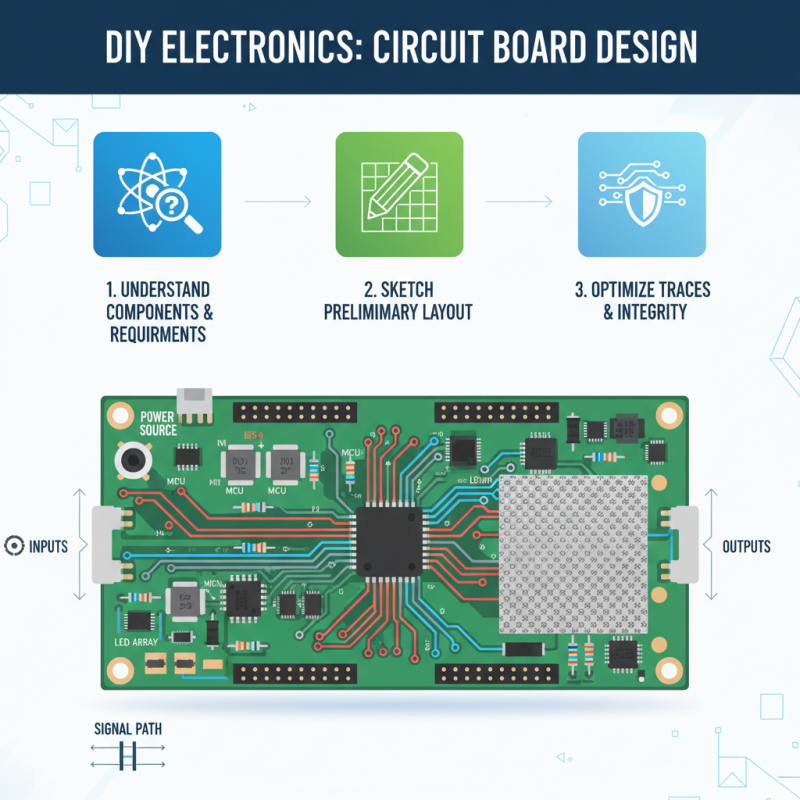
When embarking on DIY electronics projects, one of the most critical factors to consider is the circuit board design. A well-thought-out layout can significantly affect the performance and reliability of your device. Start by understanding the essential components of your project, and then sketch a preliminary design that incorporates all necessary elements, including power sources, inputs, and outputs. Attention to detail in the arrangement of traces can minimize interference and maintain signal integrity.
Tip: Always prioritize compactness without sacrificing functionality. Utilize multi-layer designs if space is a constraint, ensuring that you keep power and ground planes as close to the circuit as possible to reduce electromagnetic noise.
Another vital consideration is the choice of materials for your circuit board. Depending on the complexity and heat generated by the components, selecting the right substrate can enhance durability and ensure efficient heat dissipation. Additionally, consider the future-proofing of your design by allowing space for potential upgrades or modifications.
Tip: Incorporate test points into your design. These are invaluable for troubleshooting and make it easier to measure voltages and signals without disturbing the circuit. Planning for access during the design phase saves time and frustration later on.
Top 10 Innovative Circuit Board Designs for Inspiration
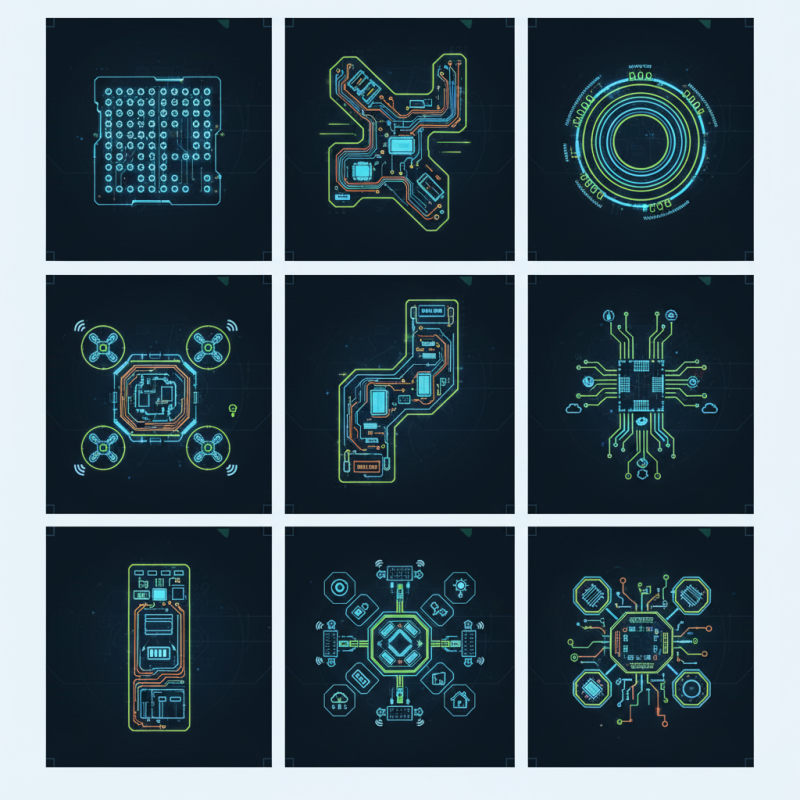
Innovative circuit board designs play a crucial role in elevating DIY electronics projects. By exploring creative layouts and unique shapes, hobbyists can unleash their imagination and enhance functionality. For those seeking inspiration, consider using multi-layer boards that allow for compact designs, reducing both size and weight while maintaining performance. Experimenting with unconventional materials, such as flexible substrates, can also open up new possibilities in circuit design, allowing for innovations in wearables or portable devices.
When tackling your next project, keep in mind a few essential tips. First, always prioritize simplicity in your design; this not only makes the assembly process smoother but also minimizes potential errors. Additionally, utilize software tools to simulate your circuit design before fabrication. This step can save time and resources by identifying issues early on. Lastly, don’t be afraid to share your designs and ideas within the DIY community. Collaboration can spark new concepts and lead to even more inventive circuit solutions that inspire future projects.
Step-by-Step Guide to Designing Your Own Circuit Board
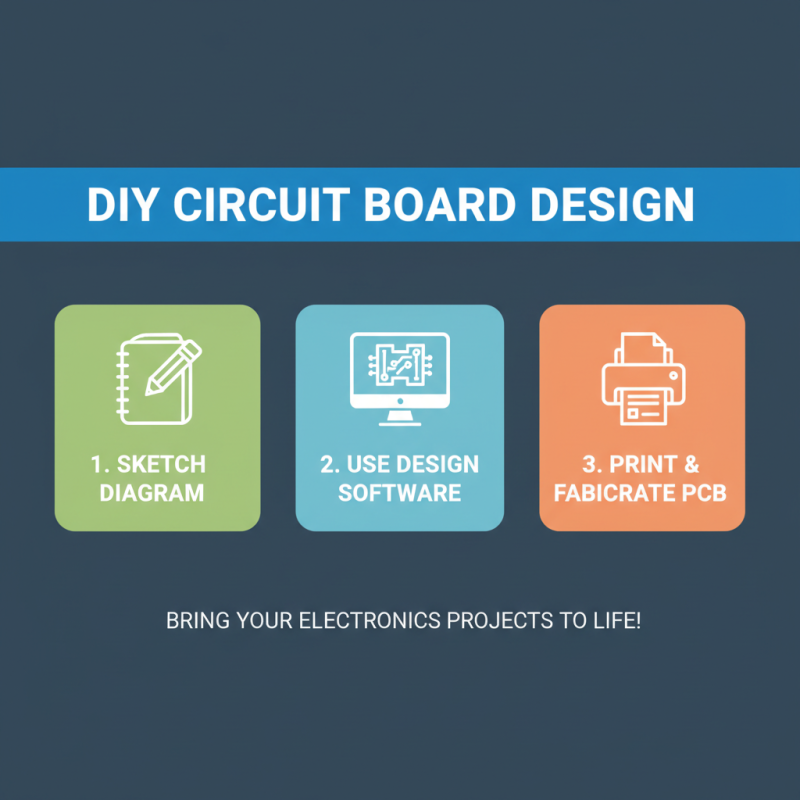
Designing your own circuit board can be an incredibly rewarding experience, allowing you to bring your DIY electronics projects to life. Start by sketching out your circuit diagram, making sure to include all necessary components like resistors, capacitors, and connectors. Utilizing software tools for circuit design can simplify this process, providing a digital platform to visualize and modify your layout before moving to the printing stage.
**Tips:** Pay attention to the spacing between your components and routes on the board to avoid overlap and ensure that your circuit can handle the necessary current and voltage levels. Keeping your design tidy will reduce the chances of mistakes during assembly.
Once your design is ready, it’s time to create the physical board. You can choose to etch the board at home or send your design to a manufacturing service. Ensure that you follow the correct specifications for your chosen method, as different techniques have varying requirements for traces and pads.
**Tips:** When placing components on your board, consider the flow of the circuit and the accessibility of parts for soldering. It is also beneficial to test your layout with simulation software to catch potential issues before committing to the physical board.
Tools and Software for Creating Custom Circuit Board Layouts
When embarking on DIY electronics projects, the design of the circuit board plays a pivotal role in the overall success and functionality of the project. Utilizing the right tools and software for creating custom circuit board layouts can significantly enhance design precision and efficiency. According to a recent report by the Electronics Industry Association, nearly 42% of engineers cite improved design software as a key factor in reducing development time, which further underscores the importance of having the right resources at your disposal.
A variety of software options exist for circuit board design, ranging from beginner-friendly platforms to advanced tools for seasoned professionals. Many of these applications offer features such as schematic capture, simulation capabilities, and automated design rule checks, which are crucial for preventing errors in the layout, ultimately ensuring a robust final product. Data from industry research suggests that designers who leverage these advanced features experience up to a 30% reduction in prototyping time, allowing for more efficient iteration and innovation in their projects.
In addition to software, the choice of design tools—such as CAD software and 3D visualization tools—can dramatically affect the ease of creating a custom circuit board. A study indicated that users who integrated 3D design tools into their workflow not only improved the accuracy of their layouts but also reduced the time spent on troubleshooting design flaws by approximately 25%. Thus, investing time in choosing the right design tools and software is crucial for achieving professional-level results in DIY electronics projects.