Top 10 Best Circuit Board Manufacturing Techniques for Quality Production
The circuit board manufacturing industry is evolving rapidly, driven by technological advancements and growing market demands. According to a recent report by IPC, the global market for printed circuit boards is projected to reach USD 90 billion by 2027. This growth emphasizes the need for high-quality manufacturing techniques that ensure reliability and performance.
Expert insights highlight the importance of selecting the right processes. As Dr. Emily Chen, a renowned authority in circuit board manufacturing, states, “Quality in production starts with meticulous technique selection.” This perspective reminds us that even small choices can impact the final product significantly.
While established techniques deliver quality, they may not be foolproof. New methods appear regularly, yet not all provide the expected results. This ongoing challenge emphasizes the need for continuous innovation and evaluation in circuit board manufacturing. By focusing on the best practices, companies can improve their output and stay competitive in this dynamic industry.
Understanding Circuit Board Manufacturing and Its Importance
Understanding circuit board manufacturing is crucial in today’s technology-driven landscape. The production of circuit boards underpins nearly every electronic device. According to market projections, the global printed circuit board (PCB) market is expected to reach $80 billion by 2024, revealing its vast importance. Quality production techniques improve performance and longevity, making the manufacturing process critical.
When engaging in manufacturing, consider the essential techniques for quality production. The first tip is to invest in advanced technologies, such as automated inspection systems. These systems can minimize errors, leading to improved yield rates. Another factor affecting quality is material selection. Utilizing high-quality substrates enhances signal integrity. Be mindful, however, that not all materials are suitable for every application. Testing and validation processes are key.
Moreover, staying updated with industry standards is vital. Organizations like IPC provide guidelines that shape best practices. Following these standards assures reliability and adherence to safety protocols. Sometimes, manufacturers overlook these regulations, risking the integrity of their products. Regular audits can help maintain compliance and quality assurance.
Key Characteristics of Quality Circuit Board Production Techniques
The production of high-quality circuit boards hinges on several key characteristics. Understanding these aspects can significantly enhance manufacturing processes. One of the most critical elements is precision in design. A recent industry report indicated that up to 30% of defects in circuit boards stem from design flaws. Ensuring that design programs utilize robust simulation tools can help identify potential issues before physical production begins.
Another vital characteristic is effective material selection. High-quality materials lead to better conductivity and durability. According to studies, circuit boards made of superior materials can last over 20% longer compared to standard options. Manufacturers need to invest time in sourcing reliable suppliers while assessing material properties to achieve optimal performance. Furthermore, maintaining clean production environments is crucial. Contaminants can reduce the integrity of the boards, resulting in failures.
Quality control processes also play a significant role. Regular audits and inspections can catch abnormalities in production. A report shows that companies implementing rigorous quality checks reduce errors by up to 40%. This data emphasizes the need for continual assessment and feedback loops during manufacturing. The importance of each characteristic cannot be overstated, as the cost of poor-quality production can far exceed savings from fast-tracking processes.
Overview of Traditional Circuit Board Manufacturing Methods
Traditional circuit board manufacturing methods are foundational to modern electronics. Techniques like subtractive manufacturing dominate the landscape. This method involves etching copper layers on a substrate to create circuitry. According to industry reports, over 80% of circuit boards are produced using this technique. While effective, it often results in material waste.
Another common method is additive manufacturing. This approach, though less conventional, shows promise. With additive techniques, material is added layer by layer. Reduced waste is a significant advantage. However, the technology is still maturing and may require more refinement for large-scale applications.
Drilling and plating are also critical processes in circuit board production. These methods ensure that connections are reliable and durable. However, quality control can be challenging. Variations in drilling precision can lead to defects, affecting overall performance. Adopting automated systems may enhance consistency but can increase costs. Continuous improvement is necessary to balance quality and efficiency in these methods.
Innovative Technologies in Circuit Board Fabrication
Innovative technologies in circuit board fabrication are revolutionizing the electronics industry. Advanced techniques like additive manufacturing allow for creating complex designs with precision. By printing layers directly onto substrates, manufacturers reduce waste. This process contributes to sustainable practices, a growing concern in today's world.
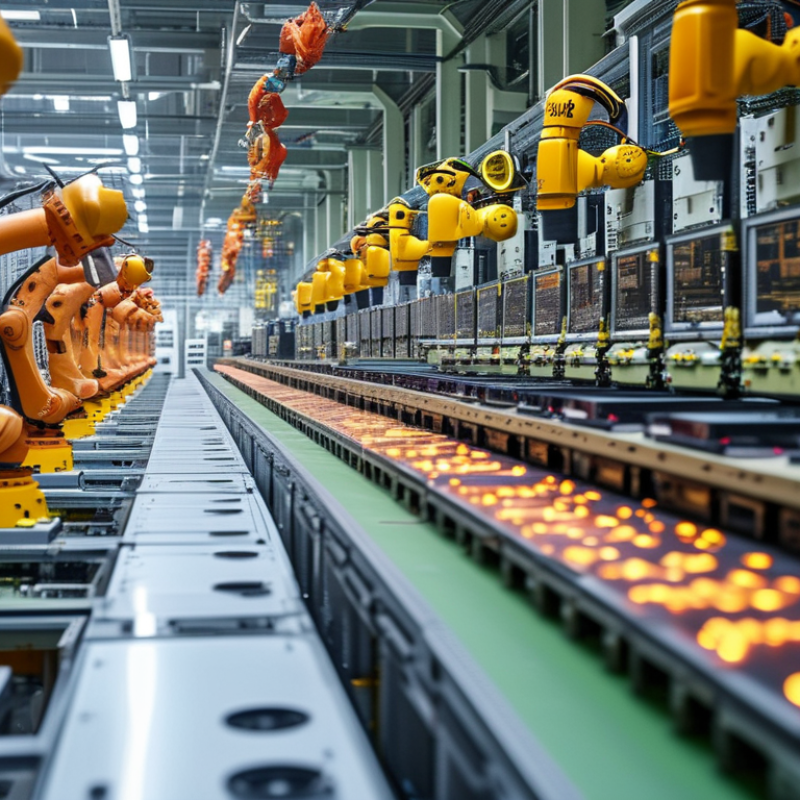
Another significant innovation is automated optical inspection (AOI). This technology inspects circuit boards in real-time, ensuring high-quality production. It identifies defects early in the manufacturing process, which helps avoid costly mistakes. However, the reliance on automation can also lead to challenges. Sometimes, machines may misinterpret specific defects, raising questions about their reliability.
Flexible circuit boards are gaining popularity in various applications. They offer versatility and can be easily integrated into tight spaces. This adaptability, however, requires specialized handling and manufacturing skills. Improper techniques can result in weaker joints, compromising performance. As the industry advances, it is crucial to balance innovation with quality control measures.
Best Practices for Enhancing Circuit Board Production Quality
Enhancing circuit board production quality requires a combination of best practices and careful attention to detail. Implementing stringent quality control measures throughout the manufacturing process is crucial. Regular inspections at each stage can catch defects early, preventing costly errors later. Using reliable testing methods ensures that the final product meets the required standards.
Selecting the right materials is another vital aspect. Low-quality components can lead to failures in the field, which may harm your reputation. It is essential to source materials from trustworthy suppliers, even if they are slightly more expensive. Consistency in material quality can greatly enhance overall product reliability.
Lastly, continuous training for your team can lead to improved processes. Skilled workers notice issues sooner and respond effectively. However, it’s easy to overlook the importance of ongoing training amidst daily operations. Investing in employee development might seem like a burden but can yield significant long-term benefits. Quality production is a journey, not a destination.