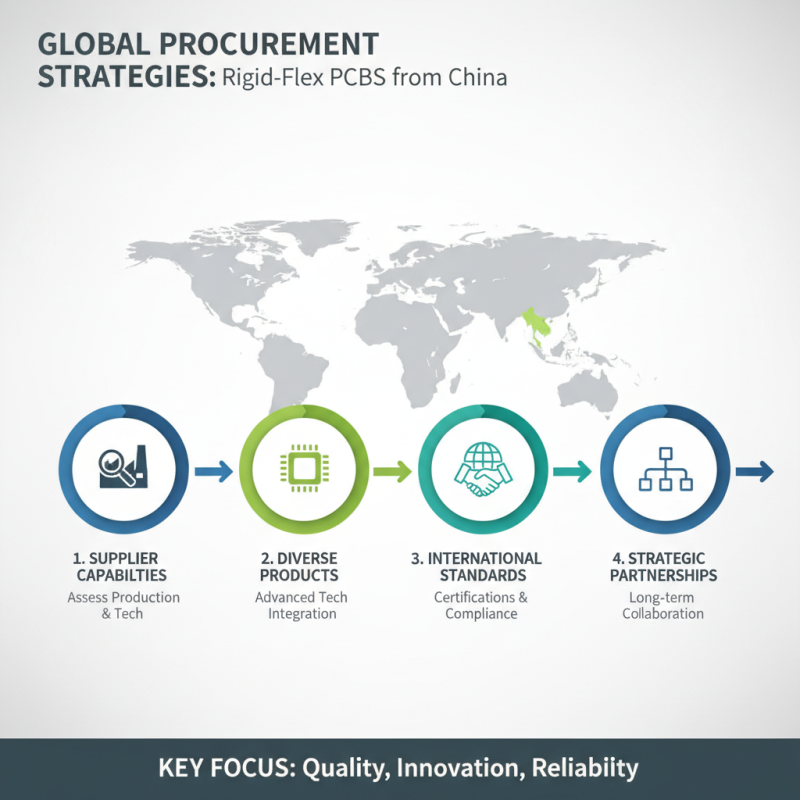
China Top Rigid Flex PCB Suppliers for Global Procurement?
In today's electronics market, the demand for rigid flex PCBs is on the rise. These components combine both flexible and rigid structures, offering significant advantages in space-saving and durability. According to market analysis by IPC, the rigid flex PCB industry is projected to grow at a CAGR of 10% from 2021 to 2026. This growth emphasizes the increasing importance of these products in sectors such as aerospace, automotive, and consumer electronics.
China has emerged as a key player in the rigid flex PCB manufacturing landscape. Many top suppliers are located in this region, providing high-quality products at competitive prices. However, the challenge lies in finding suppliers that not only meet quality standards but also ensure timely delivery. A report from Research and Markets highlights that a significant percentage of buyers question the reliability of overseas procurement due to potential supply chain disruptions.
While the advantages of rigid flex PCBs are clear, caution is necessary when engaging with suppliers. The rapid pace of innovation might lead some manufacturers to compromise on quality for speed. Thus, effective due diligence and continuous evaluation of supplier performance are essential for global procurement success. As the rigid flex PCB market expands, buyers must remain vigilant to ensure they select the right partners.

Overview of Rigid Flex PCBs and Their Applications
Rigid flex PCBs are integral to modern electronics. Combining the strengths of both rigid and flexible circuit boards, they offer unique advantages in design and functionality. According to a recent industry report by MarketsandMarkets, the global rigid flex PCB market is expected to reach $20 billion by 2025, growing at a CAGR of 7.8%. This growth is fueled by the increasing demand from sectors like telecommunications, medical devices, and consumer electronics.
These PCBs are lightweight and compact, making them ideal for applications in smartphones, wearables, and aerospace technologies. Their ability to withstand rigorous conditions without sacrificing performance is a significant factor. However, challenges exist, such as higher manufacturing costs and complex design processes. These factors require careful consideration during product development.
**Tip:** When choosing a rigid flex PCB supplier, ensure they have the necessary certifications and experience in your industry. Quality and reliability are paramount.
Innovation continues to drive the evolution of rigid flex PCBs. Yet, manufacturers must focus on balancing quality and cost-effectiveness. Emerging technologies, like advanced materials and automated production processes, can help address these challenges. Monitoring industry trends is crucial for businesses looking to stay competitive.
Key Factors Driving the Demand for Rigid Flex PCBs
The demand for rigid flex printed circuit boards (PCBs) is on the rise globally. This growth stems from several key factors. First, the increasing miniaturization of electronic devices drives manufacturers to adopt more compact solutions. According to a report by Allied Market Research, the global rigid flex PCB market is expected to reach $20 billion by 2027, growing at a CAGR of 10.5% from 2020.
Advancements in technology significantly influence this trend. Rigid flex PCBs combine the benefits of both rigid and flexible circuits, making them an ideal choice for wearables and medical devices. Their ability to seamlessly fit into compact spaces is vital for the evolution of consumer electronics. However, the complexity of manufacturing such boards poses challenges. Ensuring high reliability while maintaining cost-effectiveness can be difficult.
Tips: Ensure you assess the technical capabilities of suppliers. Quality control is as important as material sourcing. Adaptability in production can reduce lead times.
Another factor driving the demand is the automotive industry's transition towards electric vehicles (EVs). Rigid flex PCBs play a crucial role in the intricate electronics of EVs. As the industry evolves, companies need to reflect on their supply chain strategies. Unexpected disruptions can occur, highlighting the importance of flexibility in supplier relationships.
Leading Rigid Flex PCB Suppliers in China: A Market Analysis
The rigid flex PCB market in China is witnessing significant growth. This surge is driven by increasing demand in various sectors, including telecommunications and consumer electronics. Suppliers in China are ramping up their production capabilities to meet the needs of a global market. With technological advancements, these suppliers are able to offer innovative solutions that improve efficiency and durability.
Many Chinese manufacturers focus on sustainable practices. However, challenges still exist. Quality control can vary widely among suppliers. Prospective buyers must conduct thorough research to ensure reliability. Evaluating past performance and client feedback is crucial. Some suppliers may promise high quality but fail to deliver consistently. Engaging with multiple vendors can provide better insights into their operational capabilities. Transparency in communication is key to successful partnerships.
Furthermore, companies should not overlook the importance of after-sales support. A responsive customer service team can make a significant difference. The rigid flex PCB landscape evolves continuously, demanding adaptability from suppliers and clients alike. Navigating this market requires diligence and a strategic approach to establish fruitful collaborations.
Market Share of Rigid Flex PCB Suppliers in China
Comparison of Quality and Pricing Among Chinese Suppliers
When considering rigid flex PCB suppliers in China, quality and pricing are critical factors. Many Chinese manufacturers offer competitive pricing. However, the quality may vary significantly. Some suppliers maintain high standards, using advanced production techniques. Others may cut corners to offer lower prices. This discrepancy can lead to challenges for global clients seeking reliable components.
Evaluating suppliers involves more than just examining price tags. It's important to assess certifications and production capabilities. Quality control processes are essential. Some companies might seem cheaper upfront but compromise on quality. This can result in higher long-term costs due to failures or replacements. Establishing partnerships with reputable suppliers, even at a premium, often pays off.
Additionally, communication plays a crucial role. Clear communication can help mitigate risks. Misunderstandings can lead to production errors or unsatisfactory outcomes. Clients must be proactive in inquiries and feedback. Constantly reviewing the relationship with suppliers ensures alignment on quality expectations and pricing. A lack of diligence can lead to missed opportunities for improvement.
China Top Rigid Flex PCB Suppliers for Global Procurement - Comparison of Quality and Pricing Among Chinese Suppliers
| Supplier Type |
Quality Rating (out of 5) |
Average Price (USD per sq. ft.) |
Lead Time (days) |
Customer Support Rating (out of 5) |
| High-End Supplier |
4.7 |
25.00 |
10 |
4.8 |
| Mid-Tier Supplier |
4.3 |
18.00 |
15 |
4.5 |
| Budget Supplier |
3.8 |
12.00 |
20 |
4.0 |
| Emerging Supplier |
4.0 |
15.50 |
25 |
4.2 |