Finding a reliable Glass Shelf Brackets Supplier in China can shape the quality, cost, and consistency of a bulk order. A bracket may look simple, yet small differences in metal thickness, finish, hole spacing, and edge treatment can affect installation and long-term performance. On a sample, these details are easy to miss. Across hundreds of units, they matter.
This guide explores what buyers should check when comparing Chinese suppliers. It covers material options, load-rating information, surface finishes, packaging, customization, and production capacity. Ask for clear drawings and product specifications, then compare them with a physical sample where possible. Check how the supplier handles inspection and what happens when a batch does not match the approved sample. Details count.
Price alone tells little. A low quote may exclude protective packaging or reflect a different material grade. On the other hand, a polished catalog does not guarantee consistent production. Buyers should confirm order quantities, lead times, communication expectations, and shipping arrangements before committing. Request evidence, not broad promises. That sounds cautious, perhaps even slow. Still, one overlooked measurement can delay a project or leave installers adjusting brackets on site. The right supplier is not simply the one offering the lowest unit cost. It is the one whose specifications, samples, and production process give buyers a sound basis for placing a larger order. Some uncertainty remains in every supply relationship; good questions reduce it.
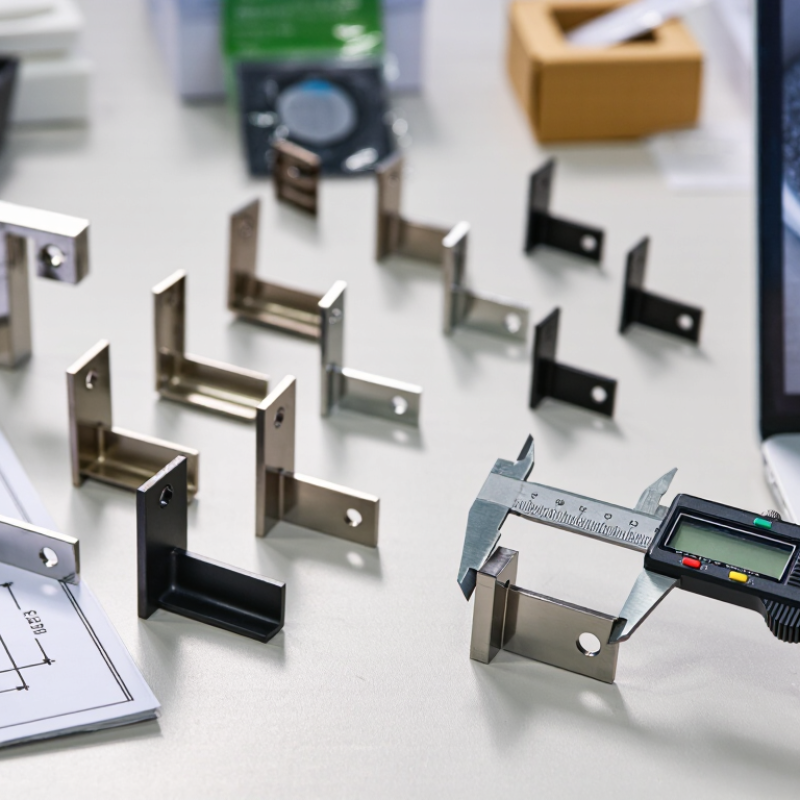
A dependable supplier does more than quote a low unit price. They can explain bracket materials, glass thickness compatibility, load ratings, and recommended installation methods. Ask for technical drawings and test information before placing a bulk order. Clear answers matter. If specifications change between samples and production, even a small mismatch can delay installation.
Check how the supplier manages quality. Request a pre-production sample, then compare its finish, dimensions, and fixing holes with the approved drawing. Ask how inspection results are recorded and how defects are handled. A supplier should also provide realistic lead times and packaging details. For example, individual protective sleeves and sturdy carton dividers can help reduce scratches during shipping. I would still verify these details; a neat sample does not guarantee every production batch will match.
Tips: Send your glass thickness, shelf depth, and expected load in writing. Confirm whether screws and wall plugs are included, since wall types vary. Keep one approved sample for comparison during production. It may feel fussy, but it can prevent costly surprises. Read supplier replies carefully, too: vague promises are not the same as measurable specifications.

For bulk orders, glass shelf brackets should be judged by more than appearance. Check the stated material and finish, then inspect a sample under bright light. Stainless steel and coated steel can both work, but the right choice depends on humidity, load, and maintenance conditions. A smooth finish helps prevent scratches during installation. Small burrs matter.
Ask for material specifications and test reports that identify the tested bracket model, load direction, and mounting method. A load rating without those details is hard to apply reliably. Compare the bracket’s rated capacity with the shelf dimensions and expected contents, while allowing a sensible safety margin. Glass thickness and edge support also affect performance.
Check the fixing points, screw holes, and contact pads. Pads should sit evenly against the glass, without rocking or sharp edges. Confirm that the fasteners suit the intended wall type; a strong bracket cannot compensate for an unsuitable anchor. For larger orders, inspect samples from more than one production batch and record any finish or dimension differences. That step takes time, and it may still miss defects, but skipping it leaves buyers with fewer ways to catch inconsistency before delivery.
Bulk orders for glass shelf brackets should be specified around the actual installation, not just the unit price. A supplier can typically provide volume-based quotations, production scheduling, sample approval, export packing, and repeat-order records. Custom options may include bracket dimensions, glass thickness compatibility, hole spacing, finish, edge profile, and load-rating documentation. Send a drawing and target quantities; include the glass type and expected use. Small details matter. A few millimeters can affect fit.
Ask for material specifications, corrosion-test methods, and load-test conditions before approving production. The World Green Building Council’s 2019 report, Bringing Embodied Carbon Upfront, estimates that buildings account for 39% of global energy-related carbon emissions, with 11% from materials and construction. That figure is not specific to shelf hardware, but it supports asking suppliers about material choices and packaging efficiency. Request a production sample and inspect its finish, screw alignment, and contact pads against your glass. Then confirm tolerances and inspection frequency in writing. Custom work can reduce installation problems, though it may increase lead time or minimum order quantities. That trade-off is easy to underestimate.
When comparing glass shelf bracket suppliers, request quotations for identical material, finish, load rating, packaging, and inspection requirements. A low unit price can hide extra costs for custom tooling, protective sleeves, or export cartons. Ask for prices at several order quantities, such as 500, 2,000, and 5,000 sets. Check whether the quoted amount includes samples and setup charges. Small details matter.
Lead times need clear definitions. Ask suppliers to separate sample approval, production, and dispatch dates, then confirm what happens if drawings change. UNCTAD’s Review of Maritime Transport 2024 reports that spot container freight rates from Shanghai to Europe rose 256% between October 2023 and June 2024. That figure is not a forecast for every route, but it shows why shipping assumptions can distort landed costs. Compare the same shipping method and delivery point.
Minimum order quantities also deserve a practical check. A low MOQ may carry a higher unit price, while a large order can tie up cash and storage space. Request the MOQ for each finish and size, not just the standard model. Ask for recent production records or a sample batch, and verify dimensions with calipers. One awkward point: suppliers may quote fast lead times before final drawings are approved. Treat that estimate cautiously, and record the assumptions behind every quote.
Before placing a large import order for glass shelf brackets, check the specifications behind the product photos. Ask for the metal type, thickness, finish, hole spacing, and stated load capacity. Confirm how that capacity was tested and whether it applies to one bracket or a complete pair. Small differences matter. A few millimeters can affect wall alignment, while an unsuitable finish may show scratches after installation.
Request samples from the same production process planned for your order. Test them with the intended glass thickness and mounting hardware, then inspect edges, welds, and screw holes. A polished sample can still hide variation across a full batch, so ask how dimensions and surface quality are checked during production. Clarify minimum quantities, production lead time, carton protection, and what happens if incoming goods do not match the approved sample. Get these details in writing. Shipping terms and export documents should also be clear before payment. I would avoid relying on broad claims such as “heavy duty” without test conditions; even experienced buyers can miss that gap.
| Evaluation Dimension | What Buyers Should Check | Evidence to Request | Bulk-Order Consideration |
|---|---|---|---|
| Material and corrosion resistance | Confirm the specified material and grade for each component. For stainless steel, distinguish grades such as 304 and 316; for other metals, check the base material and any protective coating. | Material declaration, mill or material test documentation where applicable, and a clearly stated finish specification. | Ensure the approved material and finish are written into the purchase specification and apply to the full production lot. |
| Dimensions and glass fit | Check bracket dimensions, mounting-hole positions, glass thickness range, contact-pad position, and required clearances against the intended shelf and installation method. | Dimensioned technical drawing, tolerance details, and a sample or first-article inspection report. | Approve a controlled drawing before mass production; define how dimensional changes require buyer approval. |
| Load capacity and installation | Review the supplier’s stated load rating together with the test setup, number of brackets, shelf dimensions, wall substrate, fixings, and loading method. Do not treat a rating as universal. | Test report or documented test method, installation instructions, and stated limitations for the rated load. | Confirm that the tested configuration matches the intended use; specify suitable fasteners for the destination installation conditions. |
| Glass-contact protection | Check pad material, dimensions, adhesion or retention, and whether the bracket can contact glass directly during installation or use. | Component specification, sample inspection, and confirmation of pad installation and replacement requirements. | Set acceptance criteria for pad placement and condition; confirm whether spare pads are included or available separately. |
| Finish and appearance | Specify finish type, color, sheen, and acceptable appearance. Inspect for visible scratches, burrs, uneven coating, discoloration, or sharp edges. | Approved reference sample, finish description, and written visual inspection criteria. | Keep a sealed approval sample or documented reference for comparison with pre-shipment samples and future orders. |
| Production quality control | Ask how incoming materials, in-process dimensions, surface finish, assembly, and final packing are checked. Agree on defect definitions and inspection scope. | Quality-control checklist, inspection records, corrective-action process, and pre-shipment inspection results where agreed. | Set inspection timing, sampling method, acceptance criteria, and remedies for nonconforming goods in the order terms. |
| Packaging and shipment protection | Check individual protection, separation of metal parts, quantity per inner and outer carton, carton strength, and protection against moisture and transit abrasion. | Packaging specification, carton dimensions and gross weight, packing photos, and shipping marks for approval. | Confirm that packaging supports the agreed transport route and handling conditions; validate carton data for freight planning. |
| Order terms and delivery planning | Clarify product specifications, order quantity, production lead time, payment milestones, shipment terms, document requirements, and procedures for delays or changes. | Detailed pro forma invoice or purchase contract, confirmed production schedule, and agreed shipping-document checklist. | Use written terms that define responsibilities, inspection arrangements, and the process for handling shortages or defects. |
| Import and compliance documents | Identify destination-market requirements for the product and its intended use. Verify that any claimed test or compliance documentation applies to the exact product and market. | Applicable test reports or declarations, commercial invoice, packing list, and transport documents as required for the shipment. | Check requirements with the relevant authority, customs broker, or qualified adviser before production and shipment. |
Note: Load ratings, material specifications, tolerances, and compliance requirements are product- and application-specific. Verify them against approved documentation and the intended installation before ordering.
| Cookie | Duration | Description |
|---|---|---|
| cookielawinfo-checkbox-analytics | 11 months | This cookie is set by GDPR Cookie Consent plugin. The cookie is used to store the user consent for the cookies in the category "Analytics". |
| cookielawinfo-checkbox-functional | 11 months | The cookie is set by GDPR cookie consent to record the user consent for the cookies in the category "Functional". |
| cookielawinfo-checkbox-necessary | 11 months | This cookie is set by GDPR Cookie Consent plugin. The cookies is used to store the user consent for the cookies in the category "Necessary". |
| cookielawinfo-checkbox-others | 11 months | This cookie is set by GDPR Cookie Consent plugin. The cookie is used to store the user consent for the cookies in the category "Other. |
| cookielawinfo-checkbox-performance | 11 months | This cookie is set by GDPR Cookie Consent plugin. The cookie is used to store the user consent for the cookies in the category "Performance". |
| viewed_cookie_policy | 11 months | The cookie is set by the GDPR Cookie Consent plugin and is used to store whether or not user has consented to the use of cookies. It does not store any personal data. |