2026 How to Choose the Best Sensor LED Headlamp for Your Needs
Choosing the right sensor LED headlamp can be daunting. With various models and features available, understanding your needs is essential. "The best sensor LED headlamp is one that adapts to your environment seamlessly," says John Thompson, a renowned expert in outdoor illumination technologies. This quote emphasizes the importance of adaptability in headlamps.
When selecting a sensor LED headlamp, consider its sensor capabilities. A reliable headlamp adjusts brightness based on the surrounding light. It's not just about brightness; battery life plays a crucial role as well. Some models may drain batteries faster than others. Therefore, evaluating usage patterns can inform better choices.
Moreover, comfort and fit cannot be overlooked. An ill-fitting headlamp can reduce usability significantly. Be mindful: aesthetics matter, but functionality should take precedence. Buying a headlamp often involves compromises. Reflect on the trade-offs each option presents. Ultimately, the goal is to find a balance between features and usability in your sensor LED headlamp.
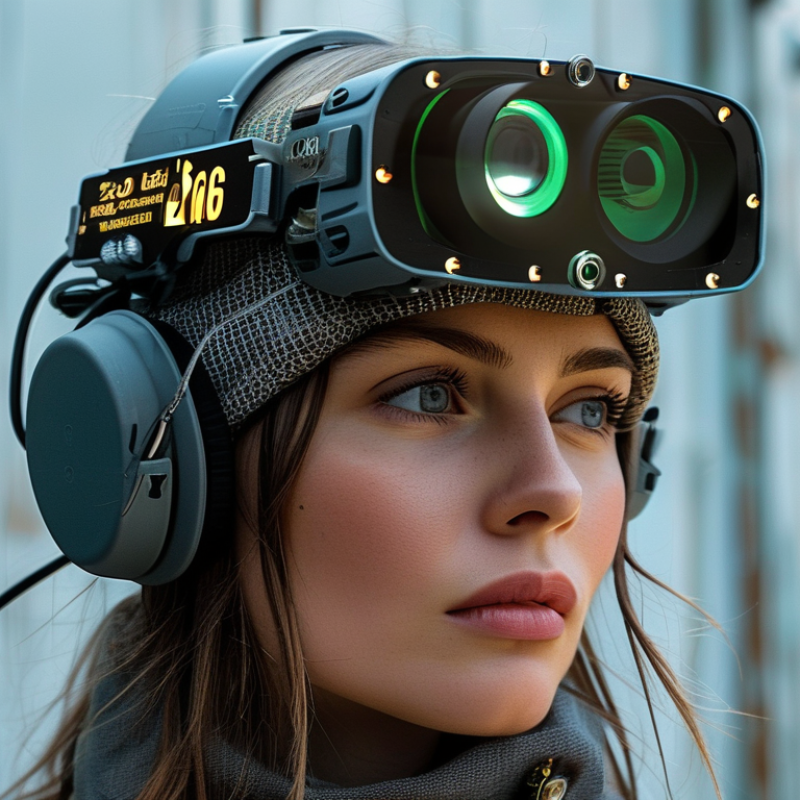
Understanding LED Headlamp Technologies and Features
When choosing an LED headlamp, understanding the technology can significantly impact your decision. LED headlamps come with various light outputs, beam patterns, and battery options. Pay attention to the lumens rating; this indicates brightness. A range of 100 to 300 lumens is ideal for most outdoor activities.
Consider the beam distance required for your tasks. A wider beam is better for close work, while a focused beam suits long-distance viewing. Some models allow you to adjust the beam, providing versatility.
Tips: Check for water and impact resistance ratings. This ensures the headlamp's durability in different environments. Don’t overlook the weight. A heavier lamp can cause discomfort during extended use. Test the fit and comfort level before making a purchase. Remember, a headlamp that feels good will see more use. Reflect on your unique needs; a model that works for someone else may not be the best for you.
Evaluating Sensor Capabilities for Different Activities
Choosing the right sensor LED headlamp can be quite challenging. Different activities demand specific sensor capabilities. For instance, hiking requires lamps that adjust brightness based on surrounding light. If you venture into deep woods, a headlamp with efficient motion sensors can enhance visibility. Adjustable settings can improve battery efficiency while maintaining required brightness.
In contrast, if you're engaged in activities like cycling, a quick response from the sensor is essential. You’ll want a headlamp that brightens instantly when you encounter dark paths. Consider how comfortable it feels during extended use. Test if it fits snugly without being intrusive. The importance of weight cannot be overstated. A heavy headlamp might lead to fatigue.
Reflecting on your experiences is crucial. Did the sensor react well under pressure? Was it intuitive during low-light conditions? These aspects influence the reliability of your choice. Ultimately, it’s about finding a balance between functionality and comfort tailored to your needs.
2026 How to Choose the Best Sensor LED Headlamp for Your Needs - Evaluating Sensor Capabilities for Different Activities
| Activity | Sensor Type | Brightness (Lumens) | Beam Distance (m) | Battery Life (Hours) |
| Camping | Motion Sensor | 300 | 100 | 20 |
| Running | Light Sensor | 250 | 80 | 15 |
| Caving | Tilt Sensor | 400 | 120 | 10 |
| Hiking | Motion and Light Sensor | 350 | 90 | 25 |
| Maintenance Work | Proximity Sensor | 500 | 150 | 8 |
Important Considerations for Brightness and Beam Distance
When choosing a sensor LED headlamp, brightness and beam distance are crucial factors. Brightness is typically measured in lumens. A higher lumen count means stronger light. This is essential for activities like hiking or camping, where visibility is vital. Aim for a minimum of 200 lumens for general use.
Beam distance determines how far your light can reach. It’s especially important during night activities. A beam distance of 100 meters or more is recommended for effective long-range visibility. However, don’t overlook floodlight capabilities. A wide beam can illuminate a larger area.
Tips: Consider using the lamp in varying conditions. Pay attention to battery life. Over time, battery efficiency can diminish. Lastly, comfort is key. The lamp should fit snugly and be lightweight. Try different models to find the best fit for your head.
Assessing Battery Life and Charging Options
When choosing a sensor LED headlamp, battery life and charging options are crucial factors. These lamps often run on rechargeable batteries or disposable ones. Rechargeable batteries, typically lithium-ion, offer longer life and are environmentally friendly. However, you may encounter issues like reduced capacity over time. It’s important to check the manufacturer’s specifications to understand the expected lifespan of the battery.
Charging options vary widely among models. Some headlamps use USB charging, which is convenient but can be slow. Others might feature dedicated chargers. In remote areas, solar-powered options could be appealing.
Consider how frequently you plan to use the headlamp. If it’s for occasional hiking, a longer battery life is essential. For regular use, quick charging options might be more beneficial.
While looking for the best features, don't overlook the drawbacks. Recall that the benefits of extensive battery life can meet diminishing returns. Heavy batteries can affect overall comfort and usage. Balancing performance and usability requires thoughtful consideration of your unique needs. Explore different options and find the one that aligns with your lifestyle.
Comparing Durability and Comfort in Design
When selecting a sensor LED headlamp, durability and comfort are key factors. Durability ensures that your headlamp can withstand harsh conditions. A sturdy housing protects against drops and impacts. Look for materials like high-grade plastic or aluminum. Waterproof ratings also matter, especially for outdoor activities. An IPX rating can indicate resistance to water.
Comfort in design enhances usability. A well-padded head strap minimizes pressure on your head. An adjustable fit ensures stability during movement. Consider the weight of the headlamp; lightweight options prevent fatigue during long usage. Many users underestimate the importance of comfort, often opting for heavier models that cause headaches.
Users should reflect on their needs. What activities will the headlamp be used for? Will you wear it for hours? A design that puts pressure on specific areas can become intolerable. Testing different models is crucial. A headlamp that feels perfect in the store may not perform well during a night hike. Prioritizing both durability and comfort creates a more enjoyable experience.
2026 Best Sensor LED Headlamp Comparison: Durability and Comfort