Why Choose HDPE Water Pipe for Your Next Project?
In today's construction industry, selecting the right materials is crucial for sustainability and efficiency. Hdpe Water Pipe is increasingly recognized for its durability and flexibility. Experts like Dr. Emily Stone, a leading figure in polymer engineering, note, "HDPE water pipe is a game-changer for modern infrastructures." This reflects its growing acceptance in various projects.
With its resistance to corrosion and ability to handle varying pressure levels, HDPE water pipe stands out. Many contractors have experienced the challenges of using traditional materials, which can fail under stress. An HDPE option reduces these risks significantly. Its lighter weight also means easier installation, which can lead to faster project completion.
However, the transition to HDPE isn't without learning moments. Some professionals still question its long-term performance under extreme conditions. It's essential to evaluate the specific needs of each project before making a decision. Adopting HDPE water pipe might require adjustments in design and implementation strategies.
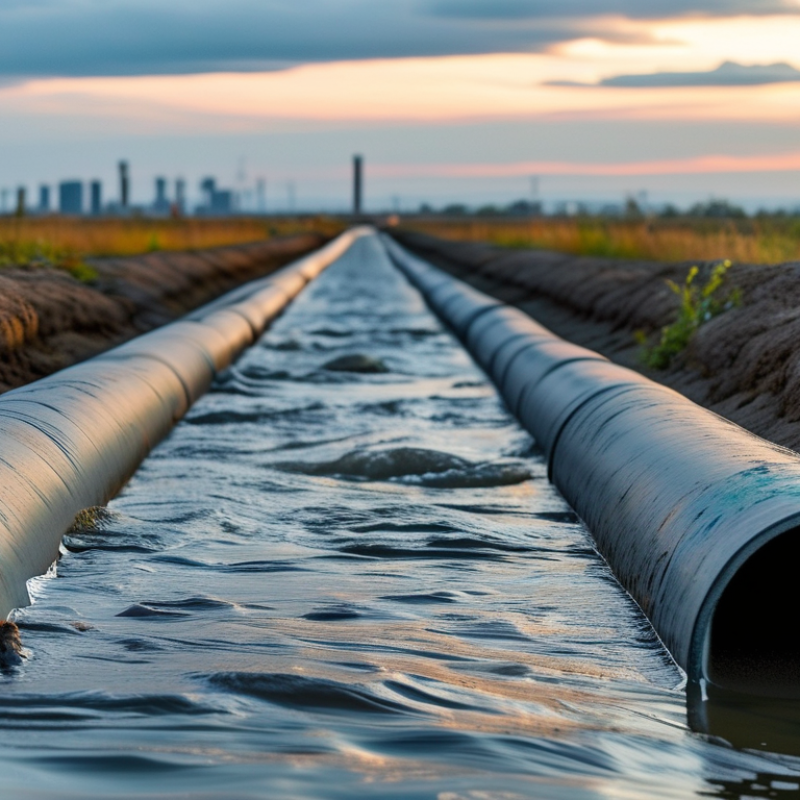
Benefits of HDPE Water Pipes in Comparison to Traditional Materials
When selecting materials for water projects, HDPE pipes emerge as a noteworthy option. These pipes are known for their durability and resistance to corrosion. Unlike traditional materials, such as metal or concrete, HDPE does not rust or degrade over time. This longevity can lead to significant savings in maintenance and replacement costs over the lifespan of the project.
HDPE pipes are lightweight and easy to handle, making installation straightforward. This can reduce labor costs and construction time. They also exhibit flexibility, which allows for easy adjustment during installation. However, one must consider the environmental impact. While HDPE is recyclable, the production process still involves energy consumption. It's essential to weigh these factors against the benefits.
Leak prevention is another critical advantage of HDPE pipes. Their seamless design minimizes joints, reducing the risk of leaks that can compromise water quality. However, engineers should ensure proper installation techniques to maintain these benefits. Attention to detail in the installation can help avoid potential issues later on. The advantages of using HDPE pipes are clear, but careful consideration is still necessary for optimal outcomes in water management projects.
Why Choose HDPE Water Pipe for Your Next Project? - Benefits of HDPE Water Pipes in Comparison to Traditional Materials
| Feature | HDPE Water Pipe | Traditional Materials |
| Durability | Highly resistant to corrosion and weather conditions | Susceptible to corrosion and degradation over time |
| Weight | Lightweight, making installation easier | Heavier, requiring more labor for installation |
| Cost Efficiency | Lower installation and maintenance costs | Higher long-term maintenance costs |
| Flexibility | Flexible, allowing for easier adjustments and installations | Rigid, making modifications more difficult |
| Environmental Impact | Recyclable and produces less environmental impact | Often difficult to recycle, higher environmental impact |
Durability and Lifespan Statistics of HDPE Water Pipes in Infrastructure Use
When considering materials for water infrastructure projects, HDPE (High-Density Polyethylene) pipes stand out. They boast impressive durability and long lifespans. Research shows that HDPE water pipes can last over 50 years under optimal conditions. This longevity is largely due to their resistance to corrosion and chemical leaching, which often plague traditional metal pipes.
The smooth inner surfaces of HDPE pipes ensure minimal friction, improving flow rates. Additionally, HDPE’s flexibility allows it to adapt to ground movements without cracking. This adaptability is crucial in areas prone to seismic activity or shifting soils. However, it is essential to assess installation methods and environmental factors to maximize the lifespan of these pipes.
Consider regular inspections to maintain system efficiency. Even with durable materials, factors like sediment buildup can affect flow over time. Look for any signs of leaks or wear during routine checks. Reinforcing your project with proper maintenance strategies will ensure the HDPE pipes perform optimally for decades.
Cost-Effectiveness: Analyzing HDPE Installation and Maintenance Expenses
When considering materials for water pipeline projects, HDPE stands out for its cost-effectiveness. Industry reports indicate that HDPE pipes incur 30% lower installation costs compared to traditional materials like PVC or iron. This is largely due to their lightweight nature, which simplifies transportation and handling. A 2008 study found that the labor costs associated with HDPE installation were 25% less than those for alternative materials. Lower labor expenses yield significant savings in total project budgets.
Maintenance expenses also reveal HDPE's advantages. Research from the American Society of Civil Engineers highlights that HDPE pipes require minimal upkeep, saving municipalities both time and money. These pipes can last over 50 years, reducing the frequency and costs of replacements. Moreover, their resistance to corrosion minimizes repair costs, providing an additional layer of financial efficiency.
While the initial investment might seem comparable to other pipes, the total cost of ownership shifts dramatically in favor of HDPE over time. The long-term benefits reveal a crucial aspect of cost analysis that many overlook. Understanding these factors leads to a more informed decision, yet some still lean towards conventional materials without fully assessing the entire lifecycle costs.
Environmental Impact: Sustainability and Recyclability of HDPE Pipes
HDPE pipes are gaining popularity due to their environmental advantages. Made from high-density polyethylene, they have a lower carbon footprint compared to traditional materials. This is critical as we look for more sustainable options in construction. The production of HDPE pipes utilizes less energy. This reduces greenhouse gas emissions significantly.
One of the most compelling aspects of HDPE is its recyclability. Once their lifecycle is complete, these pipes can be reprocessed into new products. This keeps them out of landfills. Recycling contributes to resource conservation. However, the recycling process itself can be energy-intensive. So, it's essential to ensure that proper systems are in place to maximize this benefit.
While HDPE pipes offer many advantages, their impact still requires reflection. Finding balance is key. Manufacturers must provide clear guidelines on disposal and recycling. Communities should educate themselves on the capabilities of HDPE. These steps help us realize the full potential of the material in a sustainable future.
Performance Metrics: Pressure Ratings and Flow Efficiency of HDPE Systems
High-Density Polyethylene (HDPE) water pipes are gaining popularity due to their impressive pressure ratings and flow efficiency. HDPE systems can handle high-pressure conditions, making them suitable for various applications. The ability to endure pressures up to 160 psi or more ensures reliability, especially in municipal water distribution. This durability reduces the risk of bursts and leaks, which can lead to costly repairs.
Flow efficiency in HDPE systems is noteworthy. The smooth interior surface minimizes friction, allowing water to flow freely and efficiently. This characteristic is especially crucial in large-scale projects, where every drop counts. Additionally, HDPE is lightweight and easy to install, which can streamline project timelines. However, it's essential to consider installation methods. Improper techniques might undermine even the best materials.
Temperature fluctuations can also affect HDPE performance. Its flexibility allows for expansion and contraction, but extreme conditions still require careful management. Despite these considerations, HDPE remains a reliable choice for modern plumbing systems, balancing cost and effectiveness. As with any material, understanding its limitations can lead to better project outcomes.
Pressure Ratings and Flow Efficiency of HDPE Water Pipes