Choosing the right Digital Menu Board can significantly impact your business's success. According to industry expert James Andrews, "A Digital Menu Board is not just a display; it's an experience." This statement captures the essence of why selecting the best option is crucial.
In today's competitive market, a well-designed Digital Menu Board can attract customers. It can enhance their dining experience and streamline operations. With various features available, businesses must evaluate their specific needs. Factors like size, software versatility, and integration capabilities play key roles.
Additionally, one must reflect on what fits best. A Digital Menu Board should not only match your brand identity but also engage your audience. The wrong choice can lead to missed opportunities. It is vital to weigh your options carefully and seek expert advice when needed.
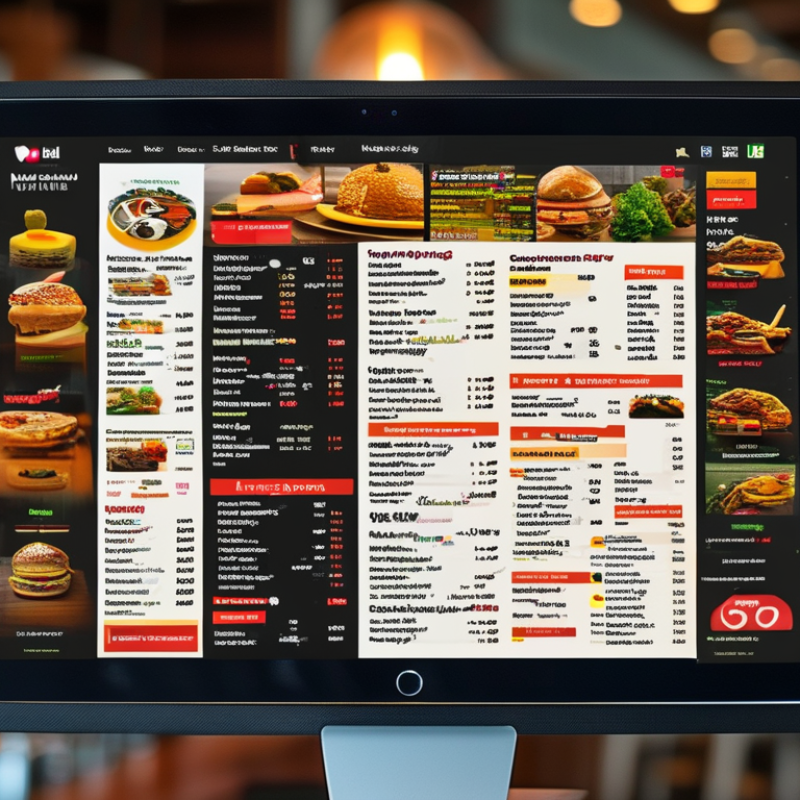
When choosing a digital menu board, understanding your specific business needs is crucial. Think about your target audience and how they interact with your menu. Perhaps your customers prefer quick service. In this case, a simple, easy-to-read design is essential. Customers should identify their options swiftly. A cluttered display may lose their interest quickly.
Consider your location and environment as well. Is your venue indoors or outdoors? Bright sunlight can wash out screens. You might need a high-brightness option for outdoor settings. On the other hand, indoor boards focus more on aesthetics and less on visibility. The size of your menu also matters. A small café might only need a compact board, while a large restaurant could benefit from multiple screens.
Reflect on how often you change your menu. If your offerings shift frequently, a versatile digital board is necessary. Look for systems that allow easy updates and alterations. This flexibility can enhance both customer experience and operational efficiency. Remember, a digital menu board is an investment. It should fit well with your brand identity while meeting practical needs. Make a choice that aligns with your vision and values.

When selecting a digital menu board, key features play a crucial role. The display resolution should be crisp and clear. High-definition screens ensure that customers see menu items vividly. Brightness is essential too; a screen that shines brightly, even in sunlight, can attract attention effectively. Consider the board's size in relation to your space. A large menu may overwhelm, while a small one might get overlooked.
User interface is another critical aspect. Your staff should navigate the system easily. A complicated menu can lead to mistakes. Look for boards that allow for quick updates. Menus change often, and being able to adjust in real time saves headaches. Integration with point-of-sale systems can streamline operations.
Lastly, think about content diversity. Effective boards display images, animations, and promotions. This variety keeps customers engaged. However, too much information can be confusing. Finding the right balance is essential. Rethink your choices carefully to enhance layout and appeal. The right digital menu can significantly affect customer experience and sales.
When evaluating digital menu boards, understanding the types available is crucial. This decision impacts customer experience and operational efficiency. According to a report by Research and Markets, the digital signage market is projected to reach $31.71 billion by 2024. This growth signals a shift in how businesses communicate with customers.
There are several types of digital menu boards. Static displays are basic and low-cost but lack flexibility. They require frequent updates and don't engage customers. In contrast, fully digital solutions offer real-time updates, enhancing promotional capabilities. Interactive boards allow for customer interaction, creating a more engaging experience. Data shows that interactive menus can increase average order value by up to 20%.
Hybrid options combine the two. They provide the benefits of both static and digital displays. Yet, they can be complex to maintain. Many businesses struggle with this balance, facing technical challenges and staffing issues. Choosing the right type depends on budget, customer base, and intended use. Analyzing these factors thoughtfully can guide businesses to make informed decisions.
Investing in a digital menu board requires careful budgeting. Many businesses underestimate the total costs involved. Beyond just purchasing the hardware, factors such as software, installation, and maintenance add up quickly. Consider how often you will update your content. Frequent changes might need robust software options, which can increase expenses.
Evaluate the lifespan of the digital menu board. An inexpensive model might save money upfront but could require replacements sooner. Think about energy consumption as well. A highly efficient system can save on operational costs over time. While you may see an appealing price tag, hidden costs can emerge later, impacting your budget.
Additionally, examine the layout and design you envision. Customization can elevate your brand but may also require a larger investment. Reflect on what will truly engage your customers without overspending. Prioritize features that provide a good return on investment. Balancing quality and budget is essential. You want a solution that not only fits your finances but enhances your overall business strategy.
| Dimension | Description | Estimated Cost (USD) |
|---|---|---|
| Screen Size | Choose a size that accommodates your space and viewing distance. | $1,200 - $3,500 |
| Resolution | Higher resolution for clearer images; consider 1080p or 4K. | $800 - $2,000 |
| Software | Choose user-friendly software for menu updates and layouts. | $500 - $1,500 (annual) |
| Installation | Professional installation is recommended for best results. | $300 - $1,000 |
| Maintenance | Routine checks and updates may be required for optimal performance. | $200 - $600 (annual) |
Installing a digital menu board requires thoughtful planning. Start by choosing the right location. High traffic areas grab customer attention. Ensure the board is visible from multiple angles. This simple step can significantly increase engagement. Also, consider the distance from which customers will view the board. A screen too far away may defeat its purpose.
Maintenance is equally important. Regularly update the content to keep it fresh. Stale menus can make your business appear out of touch. Schedule maintenance checks to ensure the equipment operates smoothly. Dust and dirt can obscure the display. Cleaning the screen regularly is essential.
Think about your audience. What information do they need? Ensure that the content is concise and visually appealing. Avoid overcrowding with too much text or images. Feedback from customers can help refine your approach. This iterative process ensures that your menu board evolves with your business needs.
| Cookie | Duration | Description |
|---|---|---|
| cookielawinfo-checkbox-analytics | 11 months | This cookie is set by GDPR Cookie Consent plugin. The cookie is used to store the user consent for the cookies in the category "Analytics". |
| cookielawinfo-checkbox-functional | 11 months | The cookie is set by GDPR cookie consent to record the user consent for the cookies in the category "Functional". |
| cookielawinfo-checkbox-necessary | 11 months | This cookie is set by GDPR Cookie Consent plugin. The cookies is used to store the user consent for the cookies in the category "Necessary". |
| cookielawinfo-checkbox-others | 11 months | This cookie is set by GDPR Cookie Consent plugin. The cookie is used to store the user consent for the cookies in the category "Other. |
| cookielawinfo-checkbox-performance | 11 months | This cookie is set by GDPR Cookie Consent plugin. The cookie is used to store the user consent for the cookies in the category "Performance". |
| viewed_cookie_policy | 11 months | The cookie is set by the GDPR Cookie Consent plugin and is used to store whether or not user has consented to the use of cookies. It does not store any personal data. |