How to Choose the Best Floor Drain for Your Needs?
Selecting the right Floor Drain is crucial for any space. A floor drain effectively manages water flow and prevents flooding. Choosing the best one can be challenging, as many options are available. Understanding your specific needs is essential.
Floor drains come in various types and materials, each serving a distinct purpose. Consider the area where the drain will be installed. For instance, a bathroom requires a different kind than a garage. Evaluate the size, style, and capacity based on your usage. Yet, exploring the options fully can be overwhelming.
It's also vital to consider installation requirements. Some floor drains are easier to install than others. Analyze the long-term maintenance as well. Improper drainage can lead to serious issues over time. By reflecting on these factors, you can make a more informed choice. A well-selected floor drain enhances functionality and safety in your space.
Factors to Consider When Selecting a Floor Drain for Your Space
When selecting a floor drain, it's essential to consider several factors. The type of space plays a vital role in your choice. A bathroom drain may differ from one used in a laundry room. Think about the size and depth needed. A deeper floor drain can handle more water flow, ideal for heavy-duty areas.
Material is another crucial consideration. Stainless steel drains offer durability and resistance to corrosion. Plastic drains are lightweight and less expensive but may not last as long. Assess the aesthetics of your space, too. A stylish drain can complement your interior design.
Tips for installation often go overlooked. Ensure proper slope towards the drain for effective water flow. It’s wise to learn about local plumbing codes that may affect your installation. Regular maintenance is key to a functional drain system. Neglecting it might lead to clogs that require professional assistance. Always test the flow after installation. A reliable floor drain not only enhances functionality but also prevents costly repairs down the road.
Types of Floor Drains and Their Applications in Residential and Commercial Use
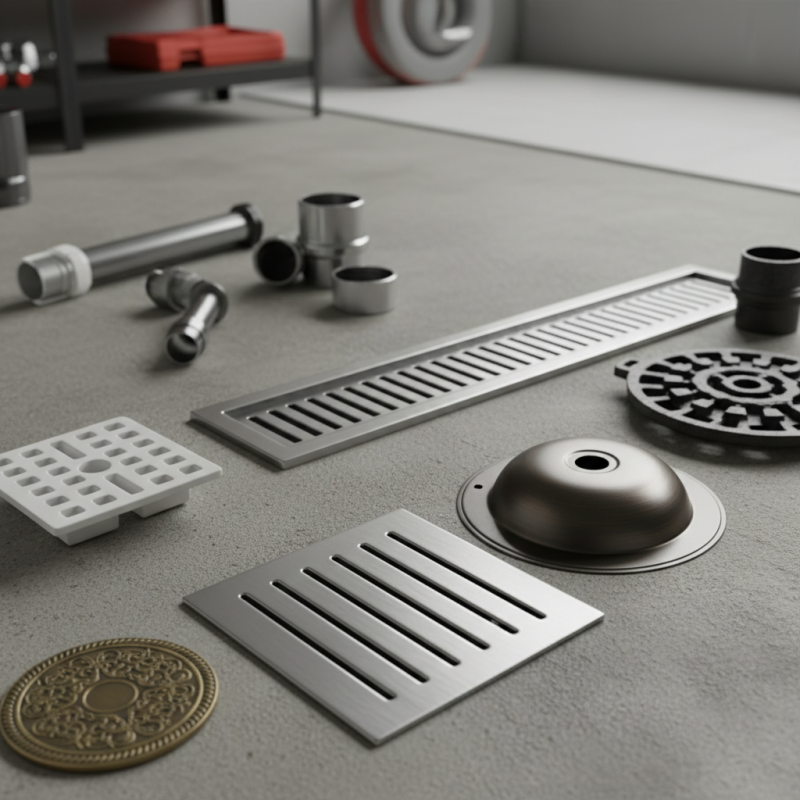
When selecting a floor drain, it is crucial to understand the various types available and their specific applications. In residential settings, common floor drains include channel drains and point drains. Channel drains are ideal for garages and driveways. They help manage water runoff effectively. Point drains, on the other hand, work well in bathrooms and laundry rooms. They can handle high volumes of water from showers or washing machines.
For commercial use, the options broaden significantly. Trench drains are a popular choice in warehouses and restaurants. They can cover extensive areas and manage large water flows. Other options include decorative drains for spaces needing aesthetic quality alongside functionality. Each type serves a unique purpose based on the environment and water management needs.
Tips: Consider the material when choosing a drain. Stainless steel is durable and corrosion-resistant. Think about the flow rate as well. A drain with a higher capacity may be necessary for high-traffic areas. Finally, regularly inspect your drains for debris. Maintenance can prevent clogs and prolong the life of the system.
How to Choose the Best Floor Drain for Your Needs? - Types of Floor Drains and Their Applications in Residential and Commercial Use
| Type of Floor Drain | Application | Material | Size (inches) | Flow Rate (GPM) |
| Standard Floor Drain | Basements, Bathrooms | PVC | 4 | 20 |
| Linear Drain | Showers, Pool Decks | Stainless Steel | 2 | 30 |
| Trench Drain | Commercial Garages, Warehouses | Polymer Concrete | 12 | 60 |
| Floor Sink | Commercial Kitchens, Laundries | Stainless Steel | 12 x 12 | 30 |
| Specialty Drain | Industrial Use, Heavy-duty Areas | Cast Iron | 6 | 50 |
Understanding Drainage Flow Rates: Calculating the Required Capacity
When choosing a floor drain, understanding drainage flow rates is crucial. Flow rate represents how quickly water can exit a space. The required capacity varies based on specific needs and usage scenarios. For example, a shower area typically requires a flow rate of 6 to 9 gallons per minute (GPM), while a commercial kitchen might need 30 GPM or more. Failure to calculate accurately can lead to flooding and drainage issues.
To calculate the required capacity, consider the size of the area being drained and the expected water volume during peak usage. A common guideline recommends a per square foot estimation. For residential space, you might need 1 GPM for every 8 square feet. However, this might not suffice in high-demand environments. Adjusting flow rates based on actual water usage can further refine your choices.
Professional reports indicate that miscalculating drainage needs can lead to severe consequences. Issues like slow drainage or backups are often tied to poor capacity estimations. Your unique environment plays a significant role, and standard guidelines may not always apply. Continuous evaluation and adjustments might be necessary as your space or usage changes.
Material Comparisons: Stainless Steel vs. PVC for Floor Drains
When selecting a floor drain, material choice plays a pivotal role. Stainless steel and PVC are the two most commonly used materials. Stainless steel is known for its durability and resistance to corrosion. It can withstand harsh conditions, making it ideal for high-traffic areas. However, this material comes with a higher price tag. Maintenance may require special attention to keep it looking new.
On the other hand, PVC is lightweight and budget-friendly. It is resistant to various chemicals, which makes it a popular choice for residential applications. However, PVC can be less durable under heavy use. It may become brittle over time, particularly in extreme temperatures. Homeowners should consider factors like location and expected usage before making a decision. Reflecting on these aspects can lead to a more informed choice.
Codes and Regulations Impacting Floor Drain Installation and Design
When selecting a floor drain, understanding local codes and regulations is essential. These rules may affect the type and placement of drains in your space. Compliance ensures drainage systems work effectively and helps to avoid potential issues. Design requirements, such as drain size and slope, can vary by region. Be sure to consult local building authorities or codes for specific guidelines.
Tips: Always check if your area requires specific materials for floor drains. Some local regulations specify using certain types of materials for durability and safety. Keep in mind, older buildings may have outdated installations. These may not meet current standards, highlighting the need for careful evaluation.
Consider the flow rate, which is crucial for proper drainage. A drain's capacity should align with the expected water volume in your area. Misjudging this could lead to flooding or poor drainage. Regular maintenance checks are also important. Ignoring these can result in costly repairs down the road. Adhering to current regulations not only ensures safety but also promotes longevity for your drainage system.
Floor Drain Types and Their Code Compliance Rates