How to Choose the Best PCB Manufacturing and Assembly Services?
Choosing the right PCB manufacturing and assembly services can be challenging. As Jon Miller, a seasoned expert in the industry, once said, “Quality is not an act, it is a habit.” This principle is crucial in selecting a PCB service provider. Their expertise should match your project needs.
Consider factors like technology, capabilities, and lead times. A good choice results in better products. Insufficient research can lead to delays and poor quality output. Pay attention to customer reviews and case studies. They provide insight into a vendor’s reliability in PCB manufacturing and assembly.
Visualize your project requirements clearly. Know the complexity of your design. Not all manufacturers can handle intricate layouts effectively. The right service should not only meet your specifications but also offer valuable solutions. Reflect on past experiences and learn from them to improve your current choices.
Understanding PCB Manufacturing: Key Concepts and Terminology
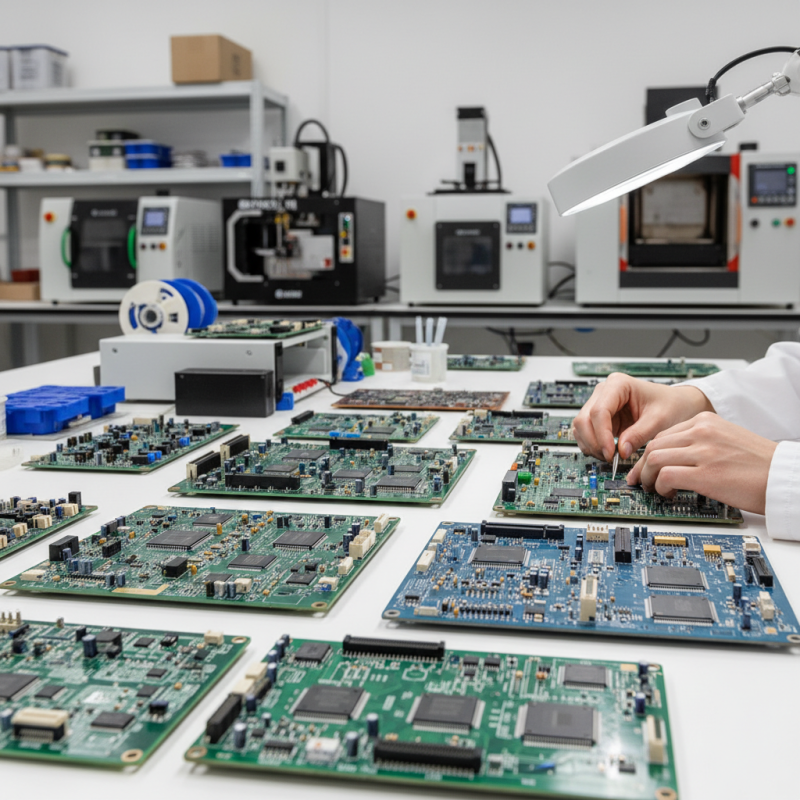
Understanding PCB manufacturing is crucial for businesses looking to develop reliable electronic products. PCB stands for printed circuit board, which is essential in connecting electronic components. A well-constructed PCB can markedly improve a product's performance. According to a 2022 industry report, the global PCB market is projected to reach $76 billion by 2026, indicating significant growth.
Key concepts in PCB manufacturing include substrate materials and layer count. Common substrates are FR-4 and polyimide, chosen for their thermal and electrical properties. The layer count affects complexity and cost. Simpler boards may have one or two layers, while advanced designs can have eight or more. Reports show that approximately 40% of PCBs manufactured today are multilayer, highlighting the industry's shift toward complexity and miniaturization.
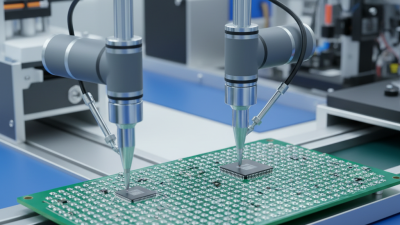
There are challenges in the PCB assembly process. Misalignment during assembly can lead to circuit failures. The process requires precision and attention to detail. A survey showed that 30% of manufacturers reported quality issues linked to assembly inaccuracies. Understanding these factors can help businesses make informed choices when selecting PCB services. Quality control measures are essential but can sometimes be overlooked in fast-paced environments.
How to Choose the Best PCB Manufacturing and Assembly Services?
| Dimension |
Description |
Importance |
Evaluation Criteria |
| Lead Time |
The time taken from order placement to delivery |
High |
Percentage on-time delivery |
| Cost |
Total expense incurred for manufacturing and assembly |
High |
Cost per unit, transparency in pricing |
| Quality Control |
Measures to ensure PCB quality meets specifications |
Critical |
Defect rates, compliance with standard tests |
| Technology Capability |
Advanced manufacturing techniques and capabilities |
Medium |
Availability of specific technologies (e.g., HDI, flex) |
| Customer Support |
Availability of assistance and support |
Medium |
Response time, availability of technical support |
| References and Reviews |
Feedback from previous customers |
High |
Ratings on review platforms, case studies |
Factors to Consider When Choosing PCB Manufacturer and Assembly Service
Choosing the right PCB manufacturing and assembly service is essential for project success. One key factor is the manufacturer's experience. An experienced manufacturer can better handle complexities. Look for companies that have a proven track record in producing the specific type of PCB you need. Check their portfolio, but keep in mind that not all successes are highlighted.
Quality assurance is another vital element. A reliable service should offer rigorous testing protocols. Don't hesitate to ask about their quality control measures. Sometimes, manufacturers promise high standards but fall short. Ask for references or customer feedback. It's important to know if they truly meet their claims.
Pricing should be transparent. Some services may seem cheaper but could add hidden costs later. Ensure you understand all aspects of their pricing structure. Additionally, consider their communication and support. Poor communication can lead to misunderstandings and delays. Gauge how responsive they are during your initial inquiries. This can be telling of their service quality.
Evaluating Quality Standards in PCB Production and Assembly
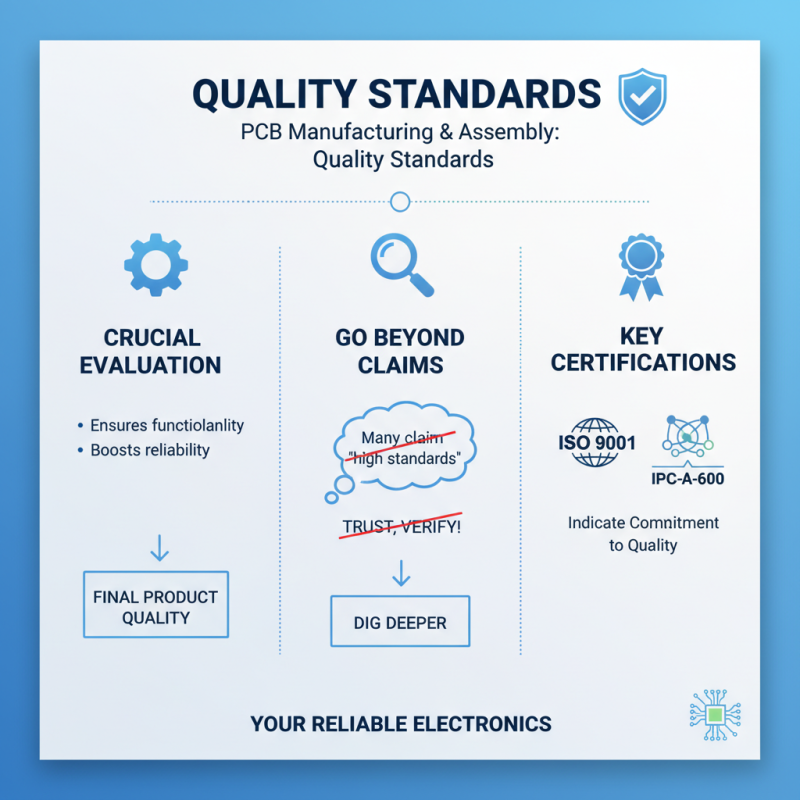
When selecting PCB manufacturing and assembly services, evaluating quality standards is crucial. It ensures that the final product meets functionality and reliability requirements. Many manufacturers claim to adhere to high standards, but it's essential to dig deeper. Examine the certifications they possess, such as ISO 9001 or IPC-A-600. These certifications indicate a commitment to quality.
Additionally, consider the materials used in production. High-quality base materials lead to better performance. Take note of the suppliers that manufacturers rely on. Are they reputable? Quality can vary significantly based on the components they use. Ask for samples of their previous work. This can illuminate their capabilities and quality consistency.
Pay attention to the manufacturing processes as well. What technology do they employ? Advanced equipment often results in higher precision. However, some manufacturers may not invest in the latest machinery. A lack of investment can indicate a complacency that might impact quality. Ultimately, ensure that the manufacturer’s quality control processes are robust and thorough to avoid potential failures.
Cost Analysis: Balancing Quality and Price in PCB Services
When selecting PCB manufacturing and assembly services, cost is a critical factor. A cheaper option might seem attractive, but it can lead to poor quality. Low prices often mean reduced inspection and substandard materials. This may save money upfront, but the long-term costs can rise.
Quality assurance is not just a buzzword; it matters significantly. Manufacturers that prioritize thorough testing improve reliability. Consider the impact of a faulty PCB. Delays and reputation damage can far exceed initial savings. Spend wisely, valuing both quality and cost.
Balancing quality and price requires careful analysis. Gather quotes from various providers. Don't just look at the lowest price. Understand what each quote includes. Ensure you compare similar capabilities. Sometimes, a slightly higher price can lead to better outcomes. Investing in quality ensures durability and performance, which pays off in the end.
Exploring Customer Support and Communication in PCB Partnerships
When selecting PCB manufacturing and assembly services, clear communication is crucial. Partners should be responsive and proactive. A good communication style can prevent misunderstandings. If a manufacturer doesn’t reply quickly, it may signal issues down the line. Trust your instincts about responsiveness.
Tips: Always ask for regular updates. This helps you stay informed throughout the process. A manufacturer who keeps you in the loop can foster a better partnership.
Customer support also plays a vital role. Late-night emails or urgent requests should be met with timely responses. Consider how they handle your inquiries. This tells you if they value your business.
Tips: Test customer support beforehand. Send an email and judge their response time. If it takes too long, reconsider your choice. Solid communication and support can make your project smoother or more challenging. Choose wisely.