How to Choose the Right Fall Arrest System for Safety?

How to Choose the Right Fall Arrest System for Safety?

Choosing the right Fall Arrest System (FAS) is critical for workplace safety. According to the Bureau of Labor Statistics, falls accounted for 33% of construction worker fatalities in 2020. This statistic underscores the need for properly selected safety equipment. The right FAS can reduce the risk of serious injury or death.

Many factors impact the selection of a Fall Arrest System. Consider the environment. Is it a construction site or a maintenance platform? Each setting has unique challenges. Compliance with OSHA regulations is essential. Many employers underestimate the importance of regular safety training, which could lead to improper FAS usage.

A common mistake is not involving the end-users in the selection process. Workers often have insights into the practical applications of safety gear. Therefore, soliciting their input is beneficial. Finally, investing in high-quality systems pays off in the long run. It ensures durability and reliability. Safety should never be compromised.
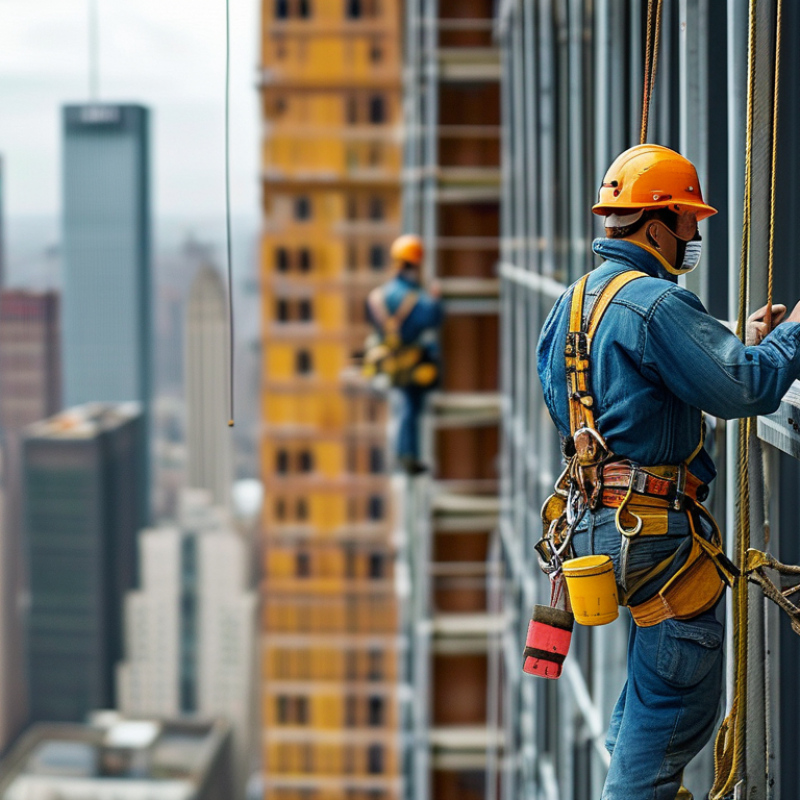
How to Choose the Right Fall Arrest System for Safety?

Understanding the Importance of Fall Arrest Systems in Workplace Safety

Understanding the importance of fall arrest systems is crucial for workplace safety. According to the U.S. Bureau of Labor Statistics, falls rank as the second leading cause of workplace fatalities, accounting for nearly 15% of all deaths between 2011 and 2020. This statistic highlights the urgent need for effective safety measures in jobs involving heights. In construction and maintenance, failings in fall protection can lead to serious injuries or even death.

Selecting the right fall arrest system can be complex. Not all systems are suitable for every job site or environment. Factors such as the type of work being performed, the height at which it occurs, and the materials involved must be considered. The Occupational Safety and Health Administration (OSHA) recommends that employers conduct site assessments to tailor safety measures to specific needs. However, many companies still overlook this step, which can lead to inadequate protection.

Ensuring employees are trained to use fall arrest systems properly is equally important. A National Safety Council report revealed that improper use of equipment was a leading cause of fall incidents. Regular training and refreshers can empower workers to recognize hazards. Employers must foster a culture of safety, where reporting potential issues is encouraged. By doing so, they can reduce fall risks significantly in their operations.

How to Choose the Right Fall Arrest System for Safety? - Understanding the Importance of Fall Arrest Systems in Workplace Safety

Fall Arrest System Type Key Features Advantages Disadvantages Best Use Case
Harness and Lanyard Adjustable straps, shock-absorbing lanyard Cost-effective, easy to use Limited mobility, requires inspection Construction sites
Self-Retracting Lifeline (SRL) Automatic retraction, 100% fall protection High level of safety, minimizes free fall distance Higher cost, can be cumbersome Industrial applications
Full-Body Harness Distributes weight, multiple attachment points High comfort and support, versatile More expensive, requires training Height work, rescue operations
Guardrails Permanent systems, physical barrier No harness required, high stability Intrusive on worksite, limited flexibility Building edges, scaffolding
Safety Net Large mesh, absorbs impact Effective for falling object protection, reusable Less effective in high winds, installation time Construction zones, demolition sites

Key Types of Fall Arrest Systems: Harnesses, Lanyards, and More

When choosing a fall arrest system, understanding the key components is essential. Harnesses, lanyards, and connectors form the backbone of a reliable safety setup. Harnesses should fit snugly and comfortably, distributing weight evenly. They come in various sizes and styles, ensuring you can find one that meets your needs.

Lanyards connect the harness to an anchor point. They include shock-absorbing features, which reduce the force of a fall. Opt for lanyards that can handle different angles of fall. Always inspect your lanyard for wear and tear. A compromised lanyard can lead to failure.

Tips: Before purchasing, try on a harness to ensure it fits well. Consider your working environment; indoor and outdoor settings may require different gear. Regular training on how to use your fall arrest system is crucial. This ensures everyone knows their safety responsibilities. Regular maintenance checks can help catch issues before they become serious. Remember, safety is not just gear; it’s also knowledge.

Evaluating Safety Standards: ANSI, OSHA, and ISO Compliance for Fall Arrest

When selecting a fall arrest system, compliance with safety standards is paramount. Major organizations like ANSI (American National Standards Institute), OSHA (Occupational Safety and Health Administration), and ISO (International Organization for Standardization) set guidelines to ensure worker safety. According to OSHA, falls account for approximately 33% of all construction fatalities. Ensuring your fall arrest system meets these standards can significantly reduce risks.

Evaluating compliance helps identify whether your organization adheres to the right safety protocols. For instance, ANSI A10.32 outlines requirements for fall protection in construction, providing clear benchmarks for safety equipment. Similarly, ISO 45001 emphasizes workplace safety management systems. Adopting such standards can enhance safety culture and improve employee trust.

Tips: Inspect your harnesses regularly to ensure they meet compliance standards. Training workers on proper fall protection use is essential. Keep an updated record of safety checks. Identify potential hazards and conduct regular site audits. Sometimes, even compliant systems fail if not used correctly. Regular refresher courses can minimize this risk, reminding employees of best practices. Validate that your safety gear is not only compliant but also suitable for the tasks at hand.

Selecting the Right Equipment Based on Activity and Work Environment

When selecting a fall arrest system, consider the specific tasks at hand. Different activities pose unique risks. For tasks like roof work or scaffolding, a harness with shock-absorbing lanyards is crucial. The equipment must match the activity to ensure the highest level of safety.

Another vital aspect is the work environment. Indoor spaces may have different challenges compared to outdoor sites. For instance, site conditions like wind or wet surfaces can increase hazards. Assess the environment thoroughly. Look for potential fall hazards, such as openings or elevated platforms. Investigating the surroundings can lead to better equipment choices.

Don't overlook the importance of proper training. Workers must understand how to use fall arrest systems effectively. Sometimes, even with the right gear, improper usage can lead to accidents. Regular training updates are essential. This reflects a commitment to safety and helps reinforce correct practices over time. Making informed choices is key to achieving workplace safety.

Best Practices for Training and Maintenance of Fall Arrest Systems

Training and maintenance of fall arrest systems are critical for ensuring workplace safety. Regular training sessions should be scheduled for all employees involved in high-risk jobs. These sessions must cover proper usage, potential hazards, and emergency procedures. Experience shows that hands-on training improves retention significantly. Workers should practice using the system in realistic scenarios to build confidence.

Maintenance of fall arrest systems is equally important. Inspections should occur at regular intervals and after any fall event. Technicians must check for wear and tear on harnesses, lanyards, and anchors. It is crucial to replace any worn-out components to maintain reliability. Documenting inspections helps track the history of the equipment.

Sometimes, training gaps may surface. Employees might hesitate to voice concerns or ask questions. Creating an open culture where feedback is encouraged can address this. Additionally, regular refresher courses can help reinforce knowledge and ensure everyone stays vigilant. Safety is a continuous journey, not a destination.