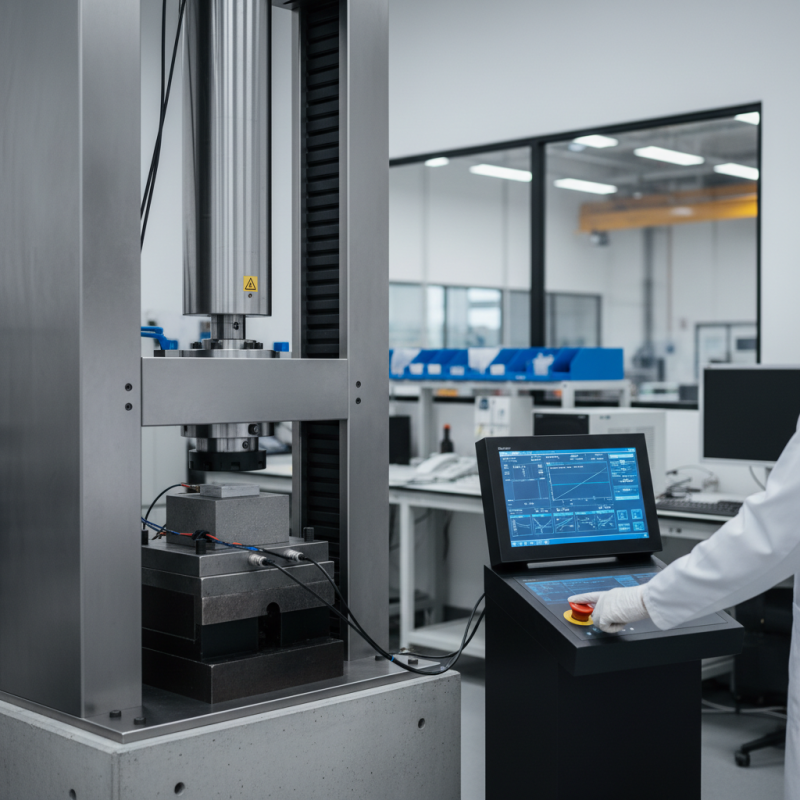
How to Choose the Right Heavy Impact Testing Machine?
Choosing the right Heavy Impact Testing Machine is critical for various industries. This machine evaluates material resilience against sudden impacts. Different applications require specific features, and understanding these needs is crucial.
When selecting a testing machine, consider factors like capacity, type of materials to test, and test methods. A robust machine will offer consistent results and enhance product quality. However, many users overlook these details, leading to inefficient testing processes.
It can be challenging to find the perfect fit. Each manufacturer's offerings vary significantly. Therefore, thorough research and expert advice can provide valuable guidance. Making informed decisions reflects professionalism and a commitment to quality.
Understanding Heavy Impact Testing Machines and Their Applications
Heavy impact testing machines play a crucial role in various industries, especially in materials testing. These machines assess how materials perform under sudden and intense forces. Common applications include aerospace, automotive, and manufacturing sectors. Companies use these tests to ensure product safety and durability. Testing helps identify potential weaknesses in materials.
When selecting a heavy impact testing machine, consider the specific requirements of your projects. Think about the materials you will be testing. Some machines specialize in metals, while others are better suited for polymers or composites. Look for machines with adjustable settings. This allows for different energy levels and impact velocities, enhancing versatility in testing.
Beyond specifications, understanding the operation of these machines is essential. They can be complex and require skilled personnel for effective use. It's vital that your team receives proper training. Mistakes in testing can lead to severe consequences. Therefore, a thorough evaluation of both machine functionality and user expertise is necessary to avoid costly errors.
Key Factors to Consider When Choosing an Impact Testing Machine
Choosing the right heavy impact testing machine involves several critical factors. First, you need to understand your material testing requirements. Different materials respond differently to impact forces. Identify the impact energy levels you need for testing. This ensures the machine will provide the accurate data you require.
Consider the machine's testing capacity. Ensure it can accommodate the size and weight of your samples. Larger samples need robust machines for accurate results. Performance specifications should match your production goals. A reliable impact machine will enhance your testing process.
**Tips:** Always check for certifications and compliance with industry standards. It’s crucial to rely on authoritative sources when verifying a machine's credibility. Moreover, evaluate the machine's maintenance needs. A machine requiring excessive downtime may lead to productivity issues.
Lastly, assess the user interface. A complex interface can lead to errors in operation. Training personnel might be necessary, adding another layer of complexity. Make sure you choose a machine that balances capability with user-friendliness. Always keep these aspects in mind when making your choice.
Types of Heavy Impact Testing Machines and Their Features
When selecting a heavy impact testing machine, understanding the different types available is crucial. These machines vary in design and application, each featuring unique capabilities. The drop weight tester is among the most common. It simulates impact by dropping a weight onto a specimen. This type helps determine a material's toughness effectively.
Another notable type is the Charpy impact tester. This machine uses a swinging pendulum to hit a notched specimen. The energy absorbed during fracture reveals vital information about ductility. Operators often prefer this method for metals and polymers. The Izod tester closely resembles the Charpy tester but employs a vertical setup. Nature of the specimen and the required measurements may dictate which machine is better suited.
Finally, there are more advanced systems, including those with digital monitoring. They offer precise data collection and analysis. However, these machines can be complex and may require trained personnel for operation. Users should weigh their requirements, budget, and material specifications before making a decision. Each type of machine has strengths and weaknesses that must be considered carefully. Continuous reflection on their performance is key to optimizing impact testing practices.
Evaluating Machine Specifications and Performance Criteria
When selecting a heavy impact testing machine, it’s crucial to scrutinize machine specifications and performance criteria thoroughly. A robust machine should have well-defined energy capacities. Look for a machine that offers a range of impact energies. Think about how much energy your tests require. An insufficient rating may lead to inaccurate results.
The material quality of the testing machine plays a critical role as well. Steel and composite materials are common in manufacturing these machines. Inspect the construction details. A well-engineered machine provides better durability and reliability. Calibration features are another essential aspect. Ensure the machine can be easily calibrated to maintain accurate performance.
Performance metrics such as cycle time and recovery speed should also be evaluated. A faster cycle time can enhance productivity. However, this should not compromise accuracy. Be prepared to weigh the trade-offs. Some machines excel in speed but lack precision. Assessing these criteria will guide you to make an informed choice.
Impact Testing Machine Selection Criteria
Budgeting and Cost Considerations for Impact Testing Equipment
When budgeting for a heavy impact testing machine, several factors must be considered. The cost of such equipment varies widely based on specifications and capabilities. According to industry reports, basic machines may start around $10,000. More advanced models can exceed $100,000. Understanding these price ranges is crucial when forming a budget.
Operational costs are another vital aspect. Regular maintenance and calibration add to the overall expenditure. It's essential to factor in these recurring costs, which can be up to 20% of the initial purchase price annually. Additionally, training personnel to use these machines can also lead to significant additional costs. This is often underestimated but is necessary for ensuring accurate test results.
Choosing an impact testing machine goes beyond just upfront costs. Consider long-term reliability and performance. These machines must withstand rigorous testing conditions. Lower-priced options may compromise on durability or accuracy. It's essential to assess the total cost of ownership. Was purchasing a cheaper model worth it? Often, the answer may reveal hidden expenses down the line.