How to Choose the Best Bench Top Milling Machine for Your Needs?
Choosing the right Bench Top Milling Machine is essential for any workshop. It can affect your productivity and the quality of your work. There are many options available, and each one serves different needs. Some machines are designed for precision, while others focus on versatility.
When selecting a machine, consider the material you will be working with. Some machines handle metals well, while others are better suited for softer materials like wood or plastics. The table size is another factor. A larger table allows for bigger projects, but it may take up more space. Keep in mind your workshop's available area.
Don’t overlook the importance of features. Some machines come with digital displays or advanced controls. These can enhance accuracy and ease of use. However, added features can mean a higher price tag. It's crucial to weigh the benefits against your budget constraints. Take the time to reflect on what you truly need. In the end, the perfect Bench Top Milling Machine will align with your specific requirements and workspace dynamics.
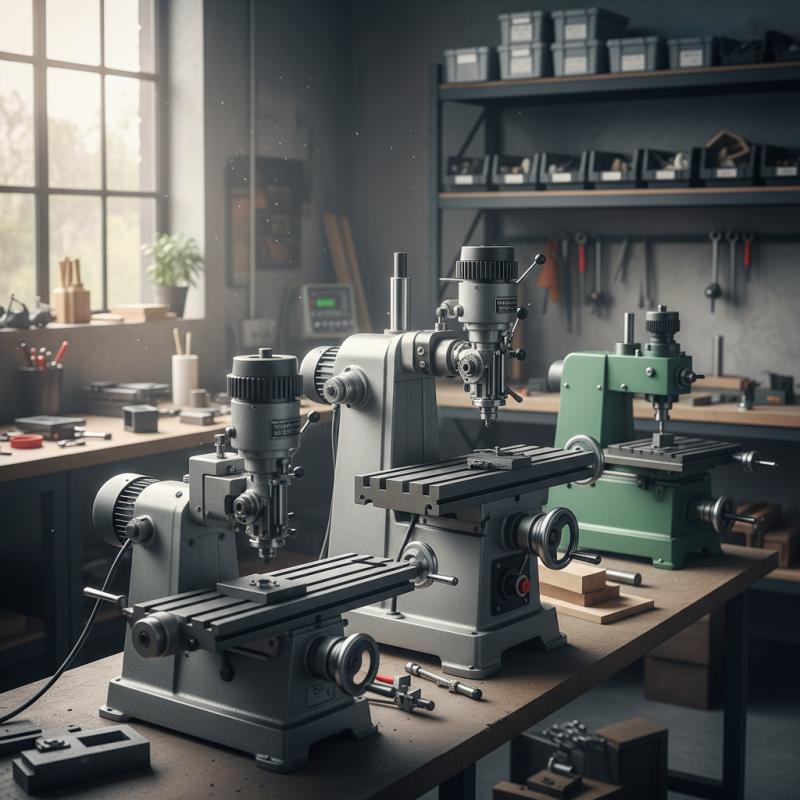
Understanding Your Milling Needs and Objectives
When it comes to milling, understanding your needs is crucial. What materials will you be working with? Different projects require different tools. A small hobbyist may not need the same machine as a professional. Your choice should align with the types of milling work you plan to undertake. Metalworking demands a different approach than woodworking.
Consider the size of your workspace too. A compact machine is great for limited spaces. However, larger projects may require a more robust option. Think about the features you wish to have. Some may prioritize precision, while others might prefer speed. It’s vital to reflect on your primary objectives. Are you aiming for fine details or faster production rates?
Assess your skill level as well. A beginner may find some machines overwhelming. Conversely, seasoned users may seek advanced features. Sometimes, it helps to explore user reviews. However, don't rely solely on them; they can be biased. Each user's experience varies. Balancing your ambitions with available options is important. Take your time in making this decision.
Comparison of Key Features for Bench Top Milling Machines
Evaluating Key Features of Bench Top Milling Machines
When evaluating bench top milling machines, several key features stand out. The machine's size is crucial. A compact model may save space but could limit performance. Conversely, a larger machine often offers more versatility for various projects. Consider what types of materials you'll be working with. Different machines excel at milling metals while others are more suited for softer materials.
The power of the motor is another important factor. A higher horsepower motor can handle tougher jobs more easily. However, it may also require more power and a larger workspace. Pay attention to the spindle speed. Machines with variable speed settings can adapt to different tasks, providing more control.
Tips: Always check the build quality. A sturdy machine often translates to better performance and longevity. Additionally, don’t overlook the ease of use. Some machines come with complex features, but basic operation is essential for beginners. A user-friendly interface can make a significant difference.
Lastly, consider the availability of replacement parts. If a machine has limited support, it may become a headache. Weighing all these factors will help clarify what best fits your needs.
Comparing Different Types of Bench Top Milling Machines
When choosing a bench top milling machine, it's essential to understand the different types available. Each type serves unique needs and has its advantages. For instance, mini milling machines are compact and ideal for small projects. They are perfect for hobbyists or those with limited workspace. However, their power may not suffice for heavier materials.
Conversely, larger milling machines can handle more demanding tasks. These machines often offer greater versatility. They are better suited for professional environments. But, they take up more space and may require a higher budget. Assessing your specific needs is vital in this decision.
Tips: Consider the materials you will be working with. This will help you choose a machine that meets your requirements. Think about your space. Ensure it's adequate for the machine size. Also, reflect on your skill level. Some machines are easier for beginners. Others might be more complex for advanced users. Always weigh these aspects before purchasing.
Assessing Budget and Cost Considerations
When considering a bench top milling machine, budget plays a crucial role. The average cost for a quality machine can range from $1,000 to $5,000. Understanding what features are necessary helps in making an informed decision. Research reveals that entry-level machines typically offer fewer capabilities. A more expensive model, however, might include advanced features such as variable speed control and digital readouts.
Additionally, think about ongoing costs. Maintenance, tools, and replacement parts add to the overall expense. Industry reports indicate that maintenance can represent up to 15% of the initial investment annually. To avoid financial strain, outline a comprehensive budget. Identify essential features versus luxury options, considering long-term productivity gains.
It's also vital to think about your specific needs. A machine that excels in one area may lack in another. This disparity often leads to regret. Aim for a balance between cost and functionality. Reflect on how often you’ll use the machine. If your needs are sporadic, a lower-cost model might suffice. For frequent use, investing more initially can lead to better results over time.
Researching User Reviews and Expert Recommendations
When selecting a bench top milling machine, user reviews and expert recommendations serve as vital resources. These insights can help potential buyers identify features that matter most. Look for reviews that discuss ease of use and setup. A machine that is hard to operate may not be worth the investment. Real-life experiences often reveal hidden quirks that manufacturers might not mention.
Consider the frequency of use and specific tasks. Some machines excel in one area but falter in others. Balancing power, speed, and accuracy is key. Expert recommendations often highlight this balance. They can also bring attention to maintenance needs that users might overlook. A powerful machine might require frequent adjustments, which can affect workflow.
Reading through various opinions helps in making an informed choice. However, remember that not all reviews are created equal. Some may be overly positive, missing flaws. It's crucial to approach feedback critically. Dig deeper into comments that seem too favorable. This diligence will ensure that your chosen milling machine aligns with your real-world needs.