How to Choose an A105 Valve Body?
Choosing an A105 Valve Body starts with understanding the service, not simply matching a line item. ASTM A105 forged carbon steel is commonly specified for pressure-containing components in ambient and higher-temperature service. Yet the material designation alone does not confirm that a body suits a particular valve, pressure class, or operating environment. Check the applicable design standard, temperature range, pressure rating, and fluid conditions before comparing suppliers.
A useful selection principle is: “[Verified expert name]: ‘Choose the body for the actual service conditions, not the material label alone.’” This quotation is a draft, not a verified statement from a named expert; confirm the speaker and wording before publication. That distinction matters. A credible recommendation should be traceable to a qualified engineer, manufacturer, or recognized technical source.
Look closely at the details. Review material certificates, heat-treatment records where required, dimensional drawings, end connections, and inspection documentation. Confirm that the offered A105 Valve Body matches the valve design and purchase specification. Ask how the manufacturer controls forging quality and identifies each finished component. A small mismatch can disrupt installation. Corrosion exposure, frequent cycling, or unusual temperatures may also change the decision. No single checklist replaces engineering review. Even a well-documented body may be unsuitable when the service data are incomplete. This guide explains the practical checks, questions, and trade-offs that help buyers make a more informed choice.
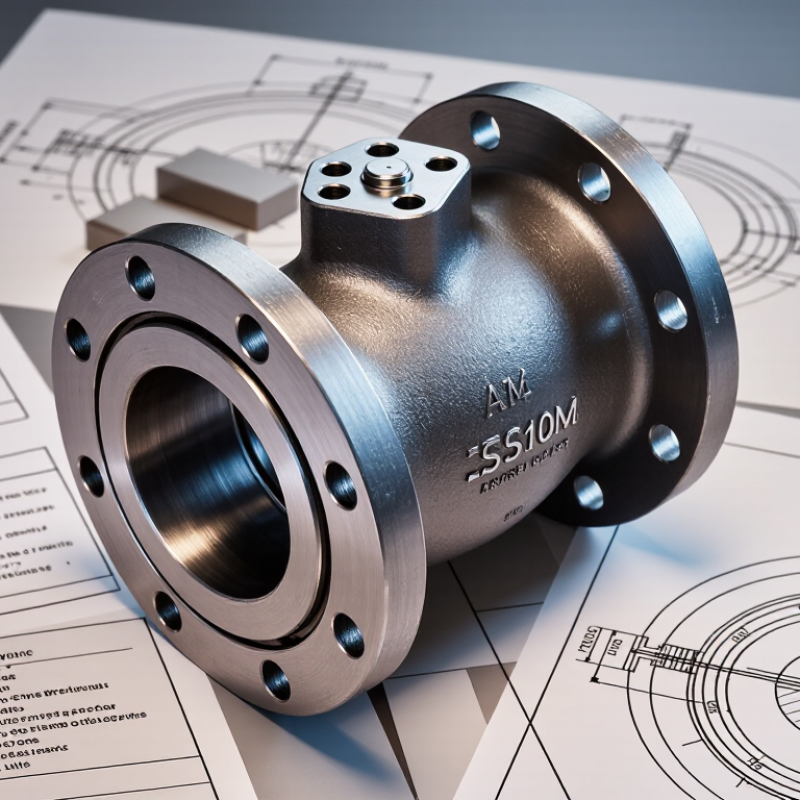
Identify the Valve’s Service Conditions and Design Requirements
Before choosing an A105 valve body, map the actual service, not just the line’s nominal rating. A105 is a forged carbon steel specification, but the grade alone does not establish suitability. Record the fluid, phase, design and operating pressures, normal and upset temperatures, and pressure surges during startup or closure. Details matter. Note cycling frequency, flow velocity, corrosion or erosion risks, and outdoor exposure. A clean water line and a hot process line can require very different material checks.
Compare these conditions with the valve assembly’s pressure-temperature limits, applicable design specifications, and required end connections. Do not assess the body in isolation: the bonnet, trim, seats, bolting, and seals must also suit the fluid and temperature. For cold service, confirm required toughness and impact testing. For corrosive or erosive media, assess whether A105 remains suitable or another material is needed. Check dimensions, flow capacity, shutoff duty, and maintenance access against the design documents. Not just averages. Operating data may be incomplete, so flag assumptions for engineering review instead of treating them as facts. Verify material certificates and inspection records before approval.
How to Choose an A105 Valve Body? Identify the Valve’s Service Conditions and Design Requirements
Use this practical checklist to organize the information needed before selecting a valve body. The chart counts checklist areas, not material ratings or code requirements.
Service conditions: document operating pressure, temperature range, fluid and phase, and corrosive or erosive contaminants. Design requirements: verify pressure class, size and end connection, applicable design code, and material compatibility or required allowances. Confirm pressure–temperature suitability against the applicable standard and project specifications; A105 alone does not determine a valve’s allowable operating conditions.
Verify A105 Material Grade and Applicable Standards
An A105 valve body should be verified against its material certificate, not selected by a catalogue description alone. ASTM A105/A105M covers forged carbon-steel components for pressure service. Check that the certificate names the required specification and edition, and records the heat number, chemical composition, tensile properties, and applicable heat treatment. The heat number on the body should match the certificate. Small detail, big consequence.
Do not treat A105 and A105N as identical conditions. The “N” indicates normalized material, so confirm whether the design or purchase specification requires it. A handheld X-ray fluorescence analyzer can help identify some alloying elements, but it cannot reliably verify carbon content. If markings are unclear or documents conflict, request suitable laboratory testing and resolve the traceability gap before installation. Paperwork can be wrong.
Material grade is only part of the check. Confirm the governing construction standard and its edition for the valve’s pressure design, end connections, and service conditions. ASME B16.34 may apply to valve pressure-temperature design; ASME B16.5 may govern flanged-end dimensions and ratings. Other standards may apply to particular valve types, but scope matters. Compare the specified pressure-temperature rating with the actual service conditions, including temperature, and have a qualified engineer review any uncertainty. A correct A105 certificate does not, by itself, establish that the complete valve is suitable.
Choose the Body Design, Pressure Class, and End Connections
An A105 valve body is forged carbon steel, but the material grade alone does not set the valve’s pressure limit. ASTM A105/A105M covers forged carbon-steel piping components for ambient and higher-temperature service. Choose the body design around the job: a straight-through pattern can suit a simple flow path, while an angled or multi-port body may help with layout or flow direction. Check access for inspection and trim replacement, too. A compact drawing can hide awkward maintenance access.
Pressure class must match operating pressure and temperature. ASME B16.34 provides pressure-temperature rating tables; use the correct material group and temperature, not the class number alone.
Class is not psi. A common mistake.
For flanged ends, ASME B16.5 covers NPS 1/2 through 24 and Classes 150 through 2500. Those ranges describe the standard’s flange scope, not automatic approval of every valve assembly. Match the valve’s flange facing, dimensions, and rating to the piping. Butt-weld ends can reduce joint bulk but need compatible pipe dimensions and qualified installation procedures. Threaded ends may simplify some small-bore connections, yet vibration and service conditions deserve careful review. Verify the drawing, temperature, pressure, and connection details before ordering; one overlooked facing detail can delay fit-up.
Evaluate Manufacturing Quality, Inspection, and Testing
Check the material certificate against the body’s heat number, not just the purchase paperwork. For an A105 body, confirm the specified grade, heat-treatment condition, and chemical and mechanical test results. The markings should remain legible after machining. Traceability matters.
Look closely at the forging surface, especially around corners, flange transitions, and thick sections. Reject unexplained laps, cracks, deep seams, or repairs that lack documented approval. Dimensional checks should cover face-to-face length, bore, flange dimensions, and sealing surfaces. Small details matter. A clean appearance alone proves little.
Review inspection records alongside the part. Depending on the specification and service, these may include visual examination, dimensional reports, and suitable nondestructive testing for suspected flaws. Ask how test coverage was selected; one method cannot reveal every defect. For a completed valve, verify pressure-test records against the purchase requirements, including the stated test pressure, duration, and acceptance criteria. A polished report is reassuring, but it can still miss a mismatch between the heat number and the actual body. Compare the records to the markings before release. The paperwork can be tedious. It is also easy to overlook.
Confirm Compatibility, Documentation, and Supplier Reliability
An A105 valve body is only a sound choice when it matches the piping and service conditions. Check the connection type, nominal size, pressure class, and face-to-face dimensions against the project drawings. A mismatch can mean costly rework, even when the material grade is correct. Confirm the expected pressure and temperature range, too. A105 identifies a forged carbon steel material; it does not, by itself, establish suitability for every service.
Ask for documentation that can be tied to the delivered body. A material test certificate should identify the grade and heat number, so the paperwork can be checked against product markings. Review dimensional records and pressure-test reports where applicable, and confirm which standards and acceptance criteria were used. I would not treat a tidy certificate as proof by itself. Traceability matters. If a detail is missing, ask before approving the order.
Supplier reliability shows in small, verifiable habits. Do they answer technical questions clearly, explain any limits, and provide consistent records? Ask how they control identification, inspection, and packing; a scratched flange face or unreadable marking can slow installation. Request a sample document set before purchase, then compare it with the shipment. This takes extra time. Still, it may reveal gaps that a low price hides, and I would reconsider any unanswered question rather than assume it will sort itself out.

