How to Choose the Right Copper Pipe Fittings for Your Needs?
Choosing the right Copper Pipe Fittings is crucial for any plumbing project. As industry expert John Smith, a seasoned plumber, once stated, "The right fittings make the difference between a job well done and a costly repair." This highlights the importance of selecting high-quality copper pipe fittings tailored to your specific needs.
Copper pipe fittings come in various sizes and styles. Understanding which type you require is essential for effective plumbing. Whether you are a DIY enthusiast or a professional, improper fittings can lead to leaks and failures. There is a learning curve, and many encounter challenges when selecting the right components.
Focusing on quality will save you time and money. It’s crucial to consider factors such as joint types, temperature ratings, and pressure limits. These elements affect the longevity and performance of your plumbing system. Take your time to research and choose wisely; the right copper pipe fittings ensure reliable connections and a smoother workflow.
Understanding Different Types of Copper Pipe Fittings
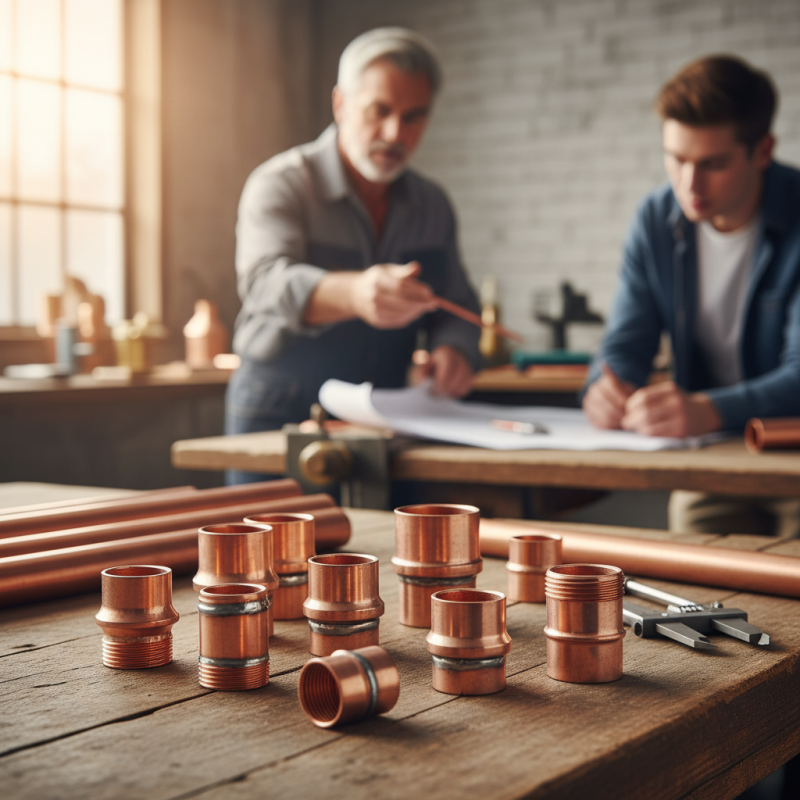
When choosing copper pipe fittings, understanding the different types is essential. Copper fittings come in several forms: solder fittings, flare fittings, and compression fittings. According to industry reports, solder fittings are commonly used in plumbing for their strong, permanent joints. They excel in high-temperature environments, but require careful installation to avoid leaks.
Flare fittings, on the other hand, are ideal for gas applications. They create a secure seal without soldering, making them user-friendly. However, improper torque can lead to failures. Compression fittings are versatile and easy to install, but they may not withstand extreme pressure over time. The choice affects system reliability and safety.
Selecting the correct fitting depends on the specific application. Factors like pressure, temperature, and flow rates matter. A mismatch can lead to costly repairs. Always consider the environment in which the fitting will be used. Specific requirements may dictate alternatives, as no single fitting suits every need. Industry professionals often suggest consulting plumbing codes and standards to ensure compliance and best practices.
Understanding Different Types of Copper Pipe Fittings
Evaluating the Size and Diameter of Copper Pipes
Choosing the right size and diameter of copper pipes is crucial for any plumbing project. The diameter directly impacts flow rates and system pressure. For instance, a larger diameter allows for greater water flow but may complicate connections with smaller fittings.
It’s essential to assess your specific needs before making decisions.
Measure existing pipes accurately, as inaccuracies can lead to installation issues. Remember, not all projects need large-scale solutions. Sometimes, smaller pipes suffice. Consider the overall system when selecting the diameter. It might seem easier to stick with standard sizes, but custom diameters may be necessary in unique setups.
Many overlook the importance of compatibility. Check how different fittings work with your pipe sizes. A mismatch can lead to leaks, even small ones. Evaluate the long-term implications of your choices. Reflect on the consequences of your decisions to ensure reliability. The right fit is not just about performance; it’s about making informed, thoughtful choices.
Assessing the Compatibility of Fittings with Pipe Materials
When selecting copper pipe fittings, compatibility with pipe materials is crucial. Copper is often used due to its durability and resistance to corrosion. However, not all fittings are designed for every type of copper pipe. It’s essential to match the fitting size and type with the pipe material you are working with.
Tip: Always check the fittings' specifications. Look for manufacturer ratings that indicate compatibility with copper. Using mismatched fittings can lead to leaks and costly repairs. Pay attention to the diameter and pressure ratings.
Fittings can have different designs, such as soldered, compression, or threaded. Each style may require specific preparation and tools. A soldered fitting, for instance, requires careful heating of both the pipe and fitting. If done improperly, it can weaken the joint.
Tip: Practice makes perfect. If you are new to soldering, practice on scrap pieces first. It’s also wise to keep safety in mind. Wear proper gear to avoid burns or inhalation of harmful fumes.
Identifying the Proper Uses of Copper Pipe Fittings
Copper pipe fittings are essential for a variety of applications. The choice of fittings should depend on the specific needs of your plumbing or HVAC project. According to the Copper Development Association, copper fittings are ideal for hot and cold water distribution. They can withstand high temperatures and pressures, making them reliable choices for residential and commercial systems.
When selecting fittings, consider the type of connection you need. Sweat fittings require soldering, while compression fittings offer an easier installation. This versatility can save time and labor costs in installation. However, improper installation can lead to leaks. Reports show that nearly 20% of plumbing issues arise from faulty fittings. Careful evaluation of fitting types can reduce these risks.
Additionally, consider the environment where the fittings will be used. In corrosive environments, such as outdoor systems, clad copper or brass fittings are recommended. They provide extra protection against wear and tear. It's crucial to reflect on the installation process and determine if extra precautions are necessary. Not all fittings are suitable for every job, and missteps can lead to costly repairs.
Considering Environmental Factors Affecting Copper Fittings
When selecting copper pipe fittings, environmental factors play a crucial role. Copper fittings are widely used due to their durability and resistance to corrosion. However, we must consider how the environment impacts their performance. For example, high humidity levels can accelerate oxidation. If fittings are near ocean air, salty conditions can also cause premature wear.
Another vital factor is temperature extremes. Copper can expand and contract, leading to potential leaks. In cold climates, fittings may crack. It’s essential to choose fittings that can withstand local temperature variations without compromising their integrity. Moreover, some regions have specific regulations on materials used in plumbing, influenced by local environmental policies.
Reflecting on these factors encourages careful selection. Not every copper fitting is suitable for every environment. You might face challenges in choosing the right type. Understanding local conditions and regulations can lead to better choices. Engaging with experts can also provide valuable insights. They can recommend the best fittings for your unique situation. This approach fosters reliability and longevity in your plumbing projects.