Why is Circuit Board Design Critical for Successful Products?
Circuit board design is a crucial element in the development of any successful product. The intricate layout of a circuit board determines how well electronic components interact. Errors in design can lead to product failures, costing time and money. Manufacturers often overlook the importance of this step, thinking that it can be rushed. However, a comprehensive design process is essential.
When designing a circuit board, details matter. The placement of components affects signal integrity and device performance. Poor design choices can result in overheating or interference. These issues might seem minor but can derail even the best products. Additionally, collaboration with experienced engineers can enhance the design quality. Their insights are invaluable in avoiding common pitfalls.
In the competitive tech landscape, optimal circuit board design can be the difference between success and failure. Companies must prioritize this essential stage. Investing in expert knowledge can save resources and enhance product reliability. Ignoring this aspect often leads to regrets later. It’s a constant reminder that every component counts in the journey from concept to market.
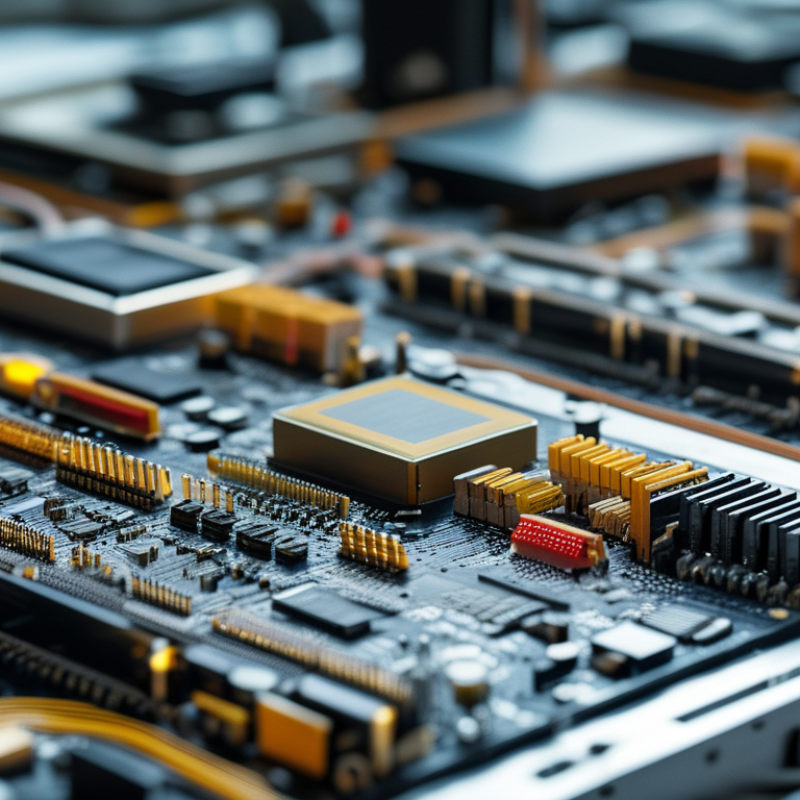
Importance of Circuit Board Design in Product Development
Circuit board design plays a crucial role in product development. A well-executed design ensures functionality, reliability, and efficiency. According to industry reports, approximately 50% of product failures can be traced back to poor circuit board design. This highlights its importance early in the development process.
Notably, proper layout and component selection directly influence performance. The Design Automation Conference reported that effective thermal management in circuit boards can extend product life by 30%. Engineers must continually refine their strategies to address these challenges. Poor design can lead to overheating and increased costs.
Moreover, integrating advanced materials and technologies is essential. For instance, using high-frequency substrates can enhance signal integrity. Yet, some designs may overlook critical factors like grounding and shielding. Rethinking these aspects can significantly impact overall product quality and user satisfaction. The challenge lies not only in creating innovative designs but also in ensuring those designs translate into practical, durable products.
Key Components of Effective Circuit Board Design
Effective circuit board design is crucial to the success of electronic products. It influences performance, reliability, and manufacturability. According to a report from the IPC Association Connecting Electronics Industries, up to 70% of electronic product failures can be traced back to design faults. Addressing these issues early in the design process can save significant costs.
A key component of effective circuit board design is component placement. Proper placement enhances signal integrity and reduces noise. It is vital to keep sensitive components away from high-frequency signals. Furthermore, the thermal management of components can prevent overheating and failures. Utilize thermal vias and heat sinks wisely to improve cooling.
Tips: Conduct simulations to predict thermal and electrical performance.
Another important aspect is the use of the right materials. Different applications may require diverse types of substrates and finishes. High-frequency applications benefit from materials with low dielectric loss. Using substandard materials can lead to unpredictable outcomes.
Tips: Always verify materials against specific application requirements.
Finally, thorough testing and validation are essential. Prototyping is a valuable step, yet it often reveals flaws in the initial design. Incorporating feedback from test results leads to better designs and higher reliability.
Tips: Embrace a cycle of testing and revising designs continually.
Impact of Circuit Board Layout on Product Performance
The layout of a circuit board is crucial for product performance. A well-designed circuit board ensures efficient signal flow and minimizes interference. The arrangement of components directly impacts the overall functionality. For instance, placing parts too close can lead to electromagnetic interference. This can cause instability and erratic behavior in devices.
Thermal management is another aspect heavily influenced by layout. Heat generated by components needs to be dissipated efficiently. Inadequate spacing or poor placement can lead to overheating, potentially damaging sensitive parts. Designers often use simulation tools to predict thermal performance. Yet, there is always a risk of unexpected thermal hotspots.
Reflection on design choices is important. There may be trade-offs between size, cost, and performance. Complex designs might introduce challenges in manufacturing. Additionally, oversights in layout can lead to costly revisions. Understanding these nuances can make a significant difference in a product’s success. Each design decision carries weight and must be evaluated carefully.
Common Challenges in Circuit Board Design and Solutions
Circuit board design is a complex and vital process. Common challenges include signal integrity, thermal management, and layout constraints. Each of these issues can significantly impact the performance and reliability of the final product.
Signal integrity issues often arise from improper spacing between traces. This can lead to interference and data loss. A well-planned layout can mitigate this risk. Ensure traces are adequately spaced and consider using differential pairs for critical signals.
Thermal management is another challenge. Inadequate heat dissipation can damage components. Designers should incorporate thermal vias and heat sinks into their designs. Proper thermal analysis tools can help predict heat distribution.
Tips: Regularly test prototypes for signals and thermal characteristics. This proactive approach can identify issues early. Utilize simulation software to visualize potential problems before manufacturing. Engagement with experienced engineers can bring valuable insights.
Why is Circuit Board Design Critical for Successful Products? - Common Challenges in Circuit Board Design and Solutions
| Challenge |
Impact |
Solution |
| Complexity in Design |
Increased risk of errors, longer development time |
Utilize advanced CAD tools and simulations |
| Thermal Management |
Potential damage to components, decreased reliability |
Incorporate heat sinks and thermal vias |
| Signal Integrity Issues |
Data loss, interference |
Use controlled impedance routing |
| Cost Constraints |
Limitations on materials and design complexity |
Prioritize essential features, optimize BOM |
| Manufacturability |
Increased production costs, delays |
Design for manufacturability (DFM) principles |
Future Trends in Circuit Board Design and Technology
As technology evolves, circuit board design is increasingly pivotal. By 2024, the global PCB market is projected to reach $87.6 billion. Emphasis on miniaturization and higher performance is reshaping designs. Engineers must balance compact size with functionality. This trend often leads to complex layouts and increased manufacturing challenges.
Sustainability is another critical trend. The push for eco-friendly materials is strong. Reports suggest that around 60% of companies are prioritizing sustainable practices. However, shifting to green materials can complicate designs. These newer materials may not always perform as expected. Designers face a dilemma between innovation and reliability.
Moreover, advancements in AI and automation are reshaping the landscape. By 2025, AI will be integrated into 40% of PCB design processes, enhancing efficiency. Yet, reliance on technology prompts concerns about expertise dilution. Engineers must adapt to these shifts while maintaining high standards. Continuous learning will be essential in navigating this dynamic environment.