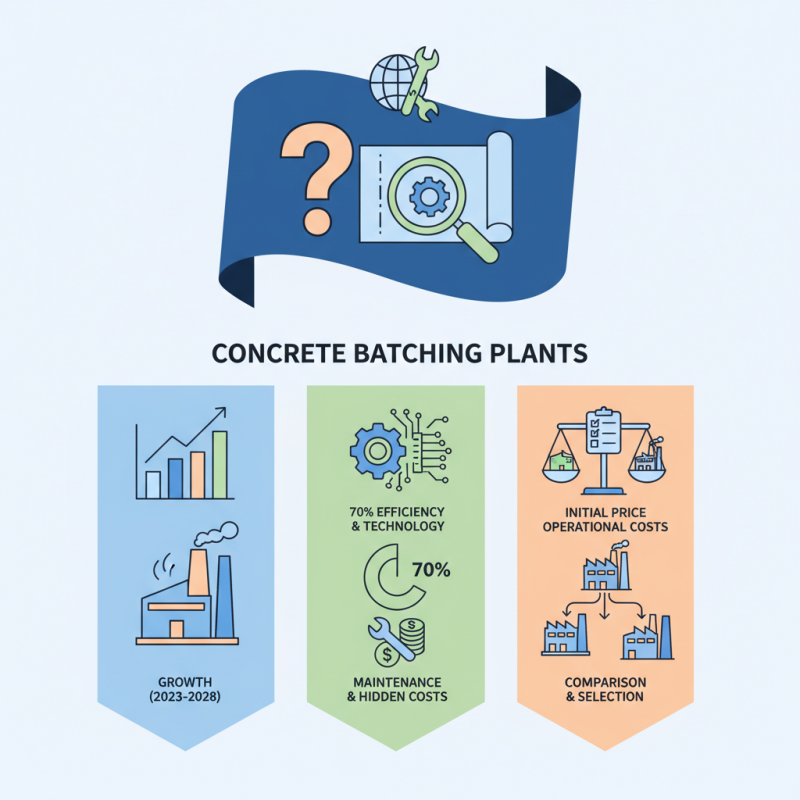
When considering the purchase of a Batching Plant, buyers must navigate a complex landscape. The global concrete batching plant market is projected to grow at a CAGR of 4.7% from 2023 to 2028, according to industry reports. This growth is fueled by infrastructure demands and construction activities worldwide. However, selecting the right batching plant can be challenging.
One critical factor is understanding the technological advancements in batching operations. Modern plants offer automation, improved efficiency, and enhanced precision. Research indicates that nearly 70% of buyers prioritize efficiency and technology in their selection process. Yet, many buyers overlook maintenance aspects, which can lead to hidden costs over time.
Buyers should evaluate their specific needs carefully. Each project demands unique features from a batching plant. It's crucial to consider not only initial pricing but also long-term operational costs. Ignoring this can result in regretful investments. Therefore, ensuring a thorough comparison between various models and suppliers is essential for a successful purchase.
When selecting a batching plant, understanding different types and their applications is crucial. Generally, batching plants can be classified into two main categories: stationary and mobile. Stationary plants are designed for large-scale projects and offer higher capacity. They are suitable for projects requiring continuous material supply. A market report from Mordor Intelligence states that the stationary batching plant market is expected to grow by 5.7% annually, reflecting steady demand.
Mobile batching plants, on the other hand, are versatile and can be relocated easily. They are ideal for smaller projects and remote locations. The flexibility of these plants allows for quick setup and dismantling, which can save valuable time. In fact, the global mobile batching plant market is projected to expand due to increasing investments in infrastructure and construction projects, indicating a shift towards adaptable solutions.
**Tip:** When choosing a batching plant, assess your project needs carefully. Consider capacity, location, and the materials required. This can help avoid potential mismatches in technology and output. Another important aspect is maintenance; ensure the resources and expertise for upkeep are available to prevent downtimes. Take time to compare features from various suppliers to make an informed decision.
| Type of Batching Plant | Key Features | Applications | Advantages | Considerations |
|---|---|---|---|---|
| Ready Mix Batching Plant | High precision, continuous supply | Commercial construction, residential projects | Efficient mixing, consistent quality | Requires transportation logistics |
| Mobile Batching Plant | Transportable, easy setup | Remote sites, temporary projects | Flexibility in location, quick deployment | Limited capacity compared to stationary plants |
| Stationary Batching Plant | Large capacity, integrates with concrete mixer | Infrastructure projects, high-volume construction | Stable production, high efficiency | Higher initial investment, less mobility |
| Central Mix Batching Plant | Homogeneous mixing, produces high-quality concrete | Large construction sites, specialized concrete mixes | Superior quality control, consistent mixes | More complex operation |
| Dry Mix Batching Plant | Minimal moisture content, modular construction | Small projects, mortar production | Lower operating costs, easy maintenance | Limited to specific applications |

When selecting a batching plant, various key features warrant careful attention. Capacity is fundamental. Determine the volume of concrete you need to produce daily. A plant with a capacity that aligns with your projects is crucial for efficiency. Consider the mixing technology as well. Different methods yield varying quality and speed. Look into weighing accuracy as well; precision is essential in minimizing waste and ensuring consistent product quality.
Mobility is another aspect to ponder. A portable batching plant can be beneficial for projects with changing sites. Evaluate the ease of setup and disassembly. This can affect your operational timeline. Additionally, the control system matters significantly. An intuitive interface allows for better operation and maintenance. You want operators to be able to troubleshoot and adjust settings easily.
Lastly, consider after-sales support and parts availability. Good support can save you time and money during repairs. Reflect on these aspects carefully. Each feature impacts your plant's performance and, ultimately, your project's success. Misjudgments now can lead to difficulties later.
When evaluating batching plant suppliers, reliability and performance are crucial. Industry reports indicate that about 30% of buyers face performance issues within the first year. This can lead to costly delays in project timelines. Buyers must scrutinize supplier histories, focusing on their maintenance practices and component sourcing. Suppliers with a track record of high uptime are preferable.
It's essential to assess the technology used in batching plants. Reports show that innovations, such as advanced automation and monitoring systems, can enhance operational efficiency. However, not all suppliers adopt these technologies. This gap can affect the plant’s adaptability to industry demands. It's wise to seek suppliers transparent about their technological capabilities.
Buyers should also consider feedback from previous customers. Customer reviews can provide insights into the supplier's reliability. However, it's important to approach these reviews critically. Some may not reflect the actual performance due to biases or selective reporting. Data analysis shows that 20% of customers report persistent issues despite positive reviews. A deeper investigation may uncover patterns that merit attention.
After-sales support and maintenance services are crucial when choosing a batching plant. According to a recent industry report, 70% of purchasers cite reliable support as a top factor in their decision-making. Ensuring that you have access to expert service can mean the difference between smooth operations and costly downtimes.
Many manufacturers offer warranties, but not all provide robust after-sales services. Some companies fail to deliver timely maintenance, leading to a loss of productivity. A reliable service team can help optimize plant performance and prolong equipment lifespan. Data from the construction sector reveals that businesses with dedicated support see a 25% increase in operational efficiency.
Moreover, consider the training provided for your staff. Well-trained personnel can mitigate the risk of errors that lead to equipment failure. Surveys show that 60% of batching plant issues stem from operator mistakes. Investing in comprehensive training and maintenance support creates a more sustainable operation. It’s essential to analyze your options thoroughly to avoid potential pitfalls.
When considering a batching plant, budgeting is essential. The total cost can vary widely based on equipment type, production capacity, and additional features. According to industry reports, the initial investment for a batching plant can range from $100,000 to $500,000. This figure does not include operational costs, which can add substantially to the overall expenditure. Buyers must account for maintenance, labor, and the costs of raw materials.
Financing options play a crucial role in acquiring a batching plant. Many industry players opt for leasing options, allowing for flexibility in cash flow management. A recent survey indicated that over 30% of buyers prefer leasing to minimize upfront costs. Alternative financing methods also include loans, grants, and vendor financing. Assessing the total cost of ownership helps buyers make informed decisions.
Mistakes in budgeting can lead to significant setbacks. It's critical to not just focus on the purchase price but also consider long-term operational expenses. Some buyers often underestimate ancillary costs, which can lead to financial strain. Identifying hidden costs early in the process can mitigate potential pitfalls. This approach fosters a more sustainable operational model in the long run.
| Cookie | Duration | Description |
|---|---|---|
| cookielawinfo-checkbox-analytics | 11 months | This cookie is set by GDPR Cookie Consent plugin. The cookie is used to store the user consent for the cookies in the category "Analytics". |
| cookielawinfo-checkbox-functional | 11 months | The cookie is set by GDPR cookie consent to record the user consent for the cookies in the category "Functional". |
| cookielawinfo-checkbox-necessary | 11 months | This cookie is set by GDPR Cookie Consent plugin. The cookies is used to store the user consent for the cookies in the category "Necessary". |
| cookielawinfo-checkbox-others | 11 months | This cookie is set by GDPR Cookie Consent plugin. The cookie is used to store the user consent for the cookies in the category "Other. |
| cookielawinfo-checkbox-performance | 11 months | This cookie is set by GDPR Cookie Consent plugin. The cookie is used to store the user consent for the cookies in the category "Performance". |
| viewed_cookie_policy | 11 months | The cookie is set by the GDPR Cookie Consent plugin and is used to store whether or not user has consented to the use of cookies. It does not store any personal data. |