What is Gypsum Board Mesh Tape and How to Use It?
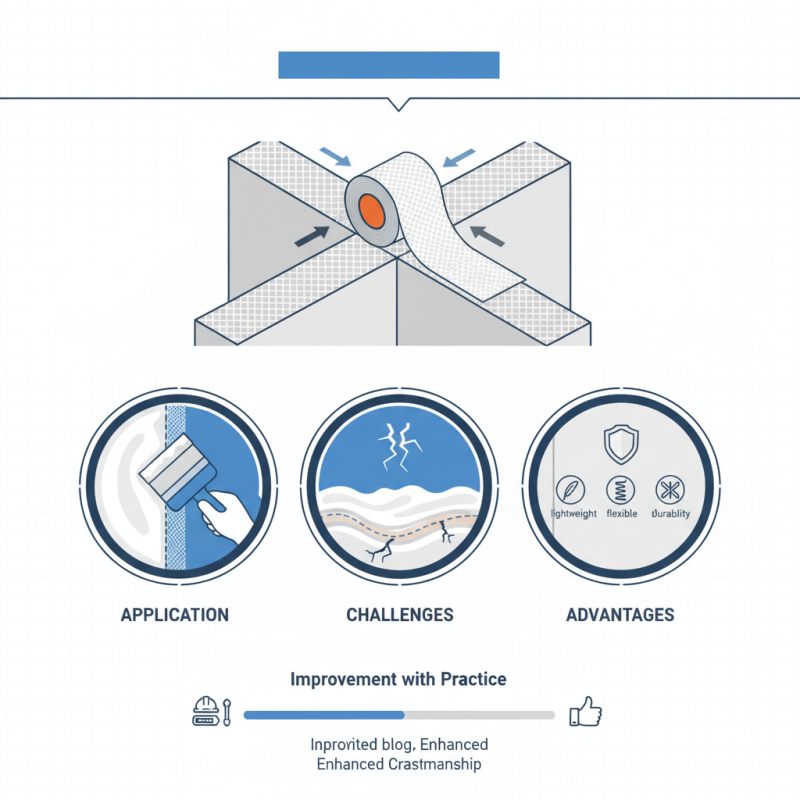
Gypsum Board Mesh Tape is an essential tool for achieving smooth finishes in drywall projects. It is widely used by professionals and DIY enthusiasts alike. The tape is designed to reinforce joints between gypsum boards, preventing cracks and ensuring durability. Its sticky backing makes application straightforward, and its mesh design allows for easy adhesion to mud or joint compound.
Using Gypsum Board Mesh Tape can put your skills to the test. It requires careful placement and blending with joint compound. Beginners may find it challenging to achieve a seamless finish. However, with practice, you can master the technique. The key is to apply the joint compound evenly and to use the right tools.
This material offers many advantages. It is lightweight, flexible, and resistant to tearing. Yet, even experienced users sometimes struggle with getting it just right. Proper application can be a trial-and-error process. Learning from mistakes is part of improving your craftsmanship. Embrace the challenges, and let Gypsum Board Mesh Tape enhance your drywall projects.
What is Gypsum Board Mesh Tape?
Gypsum board mesh tape is a crucial component in drywall installation and repair. This tape is designed to reinforce joints and seams in gypsum board. It features a sticky back that adheres firmly to surfaces, preventing cracking and ensuring a smooth finish. Made from fiberglass, it's durable yet easy to work with.
When applying mesh tape, ensure the surface is clean. Tackling a dirty or uneven wall can result in poor adhesion. Apply the tape over the joints, pressing down firmly. Be careful not to stretch the tape; it should lie flat against the wall. After that, use joint compound to cover the tape. Feather the edges to blend seamlessly with the surrounding area.
Tips:
- Use a taping knife for an even application of the compound. This helps to avoid lumps.
- A smoother finish makes for easier sanding later.
- If you're new to this, practice on scrap pieces of drywall. Learning from your mistakes can improve your technique.
- Don't rush the drying process; it's essential for a strong bond. Rushing can lead to cracks in the finished product.
Types of Gypsum Board Mesh Tape Available in the Market
Gypsum board mesh tape comes in various types, each designed for specific applications. The most common types include fiberglass mesh tape, paper tape, and self-adhesive mesh tape. Fiberglass mesh tape is durable and often preferred for joints in drywall and cement board. It helps prevent cracks due to its flexibility. Paper tape, known for its smooth finish, typically requires a bedding coat of compound. Self-adhesive mesh tape allows for quick application without the need for additional adhesive.
When choosing the right tape, consider the type of surface you’re working with. For example, fiberglass mesh is ideal for areas prone to moisture. This ensures the tape holds strong and resists mold growth. Moreover, understanding the environment can help you decide on tape thickness and width.
Tips: Always measure your seams carefully before cutting the tape. A miscalculation can lead to wasted materials. For better adhesion, ensure the surface is clean and free of dust. It’s common to make mistakes with tape alignment. Take your time and adjust as necessary for a seamless finish.
Benefits of Using Gypsum Board Mesh Tape in Construction
Gypsum board mesh tape is a crucial material in modern construction. It offers numerous advantages that enhance the quality and durability of drywall installations. One significant benefit is its impact resistance. Studies show that gypsum board with mesh tape can withstand greater force than standard drywall. This feature is particularly vital in high-traffic areas of buildings.
Another benefit is the seamless finish it provides. When properly applied, mesh tape ensures smooth joint areas, reducing the appearance of seams. According to a report by the Gypsum Association, using mesh tape can improve overall aesthetic appeal. This distinction can lead to higher property values and increased buyer interest.
While using gypsum board mesh tape has clear advantages, challenges exist. Proper installation requires skill. Mistakes can lead to visible defects. Furthermore, the tape needs to be combined with the right joint compound for optimal results. These factors underscore the importance of experience in achieving the best outcomes in construction projects.
Benefits of Using Gypsum Board Mesh Tape in Construction
Step-by-Step Guide to Applying Gypsum Board Mesh Tape
Gypsum board mesh tape is a vital component for finishing drywall joints. Its purpose is to reinforce joints and prevent cracking. When applied correctly, it enhances the durability of the wall surface. According to the Gypsum Association, 80% of drywall failures arise from improper joint treatment, underscoring the importance of proper tape application.
To apply gypsum board mesh tape effectively, begin with a clean surface. Apply a layer of joint compound to the joint area. Carefully position the mesh tape over the compound, ensuring it’s centered. Use a taping knife to press the tape firmly into the compound. This helps eliminate air bubbles. After the tape is set, apply another coat of joint compound, feathering out the edges for a smooth transition. Experts suggest waiting 24 hours for the compound to fully cure before sanding it.
Applying mesh tape requires practice. The technique might seem straightforward, but many find it challenging to achieve a seamless finish. Over- or under-application of joint compound can lead to visible seams. Keep refining your skills. As you gain experience, you will better understand the nuances of tape application and joint finishing. Remember, perfection comes with patience and practice.
Common Mistakes to Avoid When Using Gypsum Board Mesh Tape
When using gypsum board mesh tape, avoiding common mistakes can enhance your results. Many users underestimate the importance of surface preparation. An uneven surface can lead to tape failure. Always clean the area and ensure it's dry before applying the tape. Ignoring this step can create bubbles or peeling later.
Another frequent error is using too much or too little joint compound. If the compound is excessively thick, it may not adhere correctly. Conversely, applying too little can result in poor coverage. Aim for a consistent, smooth layer that fully envelops the tape. Finding the right balance takes practice. It's okay to make mistakes; learning from them leads to better techniques.
Lastly, don’t rush the drying process. Some may be eager to start the next coat too soon. Patience is essential; allowing each layer to dry completely yields cleaner results. Rushing can lead to cracks and inconsistencies. Reflecting on these points will improve your experience with gypsum board mesh tape.