China Top Galvanized Pipe Suppliers How To Choose?

China Top Galvanized Pipe Suppliers How To Choose?

Choosing reliable China Galvanized Pipe suppliers requires more than comparing online prices. The right supplier should provide consistent zinc coating, accurate dimensions, dependable welding, and complete quality documents. In practical sourcing work, small details often reveal larger problems. A clean warehouse, labeled bundles, and protected pipe ends show process discipline. Missing mill certificates can signal weak traceability.

This guide explains how buyers can assess Chinese Galvanized Pipe manufacturers with greater confidence. It examines production capacity, hot-dip galvanizing methods, material grades, inspection procedures, packaging, and export experience. Buyers should request samples before placing large orders. Check the coating visually and measure wall thickness with suitable tools. Ask how the supplier handles rejected pipes, changing specifications, and delivery delays.

Price matters. It should not control the entire decision. A low quotation may exclude testing, inland transport, stronger packaging, or acceptable coating thickness. Compare complete offers instead. Confirm standards, tolerances, thread requirements, bundle weight, and delivery terms in writing. No supplier is perfect. I have seen attractive samples fail during larger production runs. That is why independent inspections and staged payments can reduce avoidable risk. Even experienced buyers can overlook communication gaps. Clear drawings and written approvals help prevent them. By combining technical review, factory evidence, and responsive communication, importers can identify suppliers that deliver reliable Galvanized Pipe rather than promises alone.
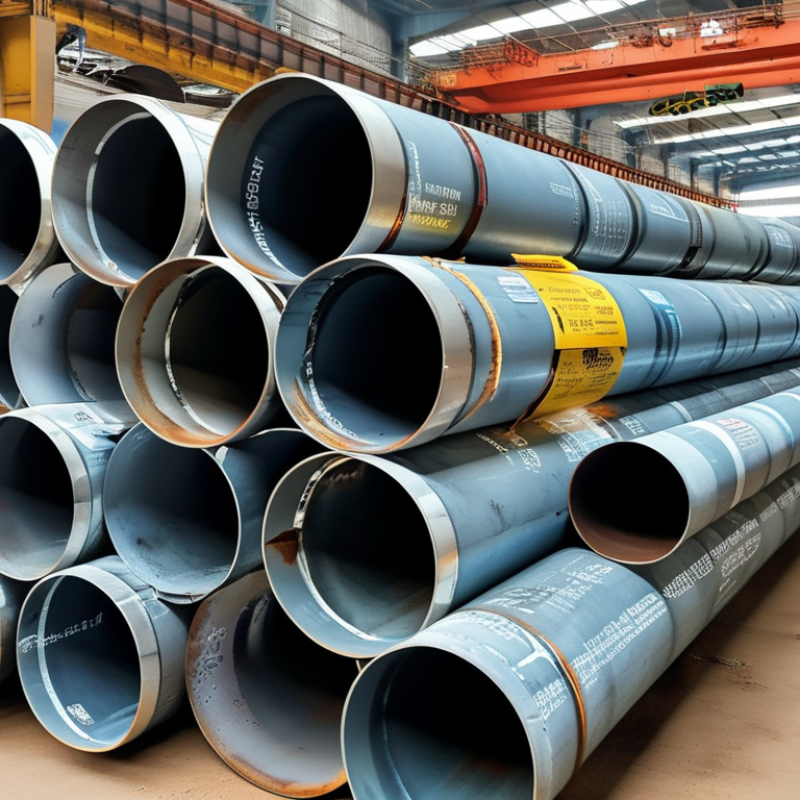
China Top Galvanized Pipe Suppliers How To Choose?

What Defines a Reliable Galvanized Pipe Supplier in China?

A reliable galvanized pipe supplier in China should prove performance, not merely offer a low quotation. The World Steel Association reported that China produced 1,019.1 million tonnes of crude steel in 2023, about 54% of global output. This scale indicates strong manufacturing capacity, but capacity alone proves nothing. Buyers should examine production records, coating controls, and export experience for the required pipe grade.

Ask for heat numbers, material certificates, dimensional inspection records, and zinc coating results. ISO 1461 links minimum coating thickness to the steel’s thickness, while relevant pipe standards define mechanical and dimensional requirements. A dependable supplier can explain these requirements clearly. It should also provide sampling plans, test methods, and corrective actions when results fail. Short answers are a warning.

Physical verification remains valuable. Check pipe straightness, wall thickness, thread quality, surface uniformity, and the presence of bare spots. Independent inspection can compare random samples with the supplier’s report. I would not accept a polished certificate as proof by itself. Documents can be correct, yet the shipment may still differ. That uncomfortable possibility deserves attention.

The OECD’s steel market analysis has repeatedly highlighted global overcapacity and price pressure. Therefore, an unusually cheap offer may reflect thinner walls, lighter zinc coating, or weaker inspection rather than efficiency. A reliable supplier explains cost differences with measurable details. It welcomes pre-shipment inspection and keeps traceable records from steel coil to packed pipe. Mistakes still happen, but transparent suppliers make them visible and fixable.


How to Identify the Right Pipe Specifications and Standards

Choosing among China’s top galvanized pipe suppliers starts with the specification, not the quotation. Confirm the outside diameter, wall thickness, length, and nominal size. A DN50 pipe may not match an NPS 2 pipe in every project. Check the schedule or pressure class carefully. Small differences can affect threading, weight, and installation.

Ask which standard governs both the pipe and the zinc coating. ASTM A53 is common for general mechanical and pressure applications. EN 10255 is often used for threaded steel tubes. ISO 1461 may define hot-dip galvanized coating requirements. These standards are not interchangeable. Request the exact edition, steel grade, manufacturing method, and coating thickness or mass. A supplier should provide mill test certificates, dimensional reports, and coating inspection records.

Look closely at practical details. Measure sample wall thickness at several points, especially near threaded ends. Inspect the zinc surface for bare spots, heavy runs, peeling, or blocked threads. Confirm whether the pipe is seamless or welded. This choice matters under pressure and during fabrication. A common mistake is approving a sample before checking the final batch. Another is trusting “international standard” without a document number. Reliable suppliers answer specific questions, accept independent inspection, and explain any deviation in writing. The paperwork may feel excessive. It can prevent an expensive mismatch.

How to Evaluate Factory Capacity and Quality Control

China Top Galvanized Pipe Suppliers: How to Choose?

Factory capacity should be checked beyond attractive production figures. Ask how many galvanizing lines operate daily, and whether backup equipment is available. Inspect raw steel storage, coil identification, and production scheduling. A reliable factory can explain its monthly output with records, not only promises. Check whether it handles your required pipe sizes, wall thicknesses, and order volumes. Large capacity means little if delivery control is weak. During an audit, observe material movement, line cleanliness, and operator discipline. These details often reveal more than a polished presentation.

Quality control must cover every stage. Request inspection procedures for dimensions, zinc coating thickness, adhesion, weld integrity, and surface appearance. Ask how instruments are calibrated and how failed batches are isolated. Batch numbers should connect raw materials, production records, and test results. Independent testing can strengthen confidence, especially for large infrastructure orders. Certificates deserve careful review. They should match the actual product and shipment. One common mistake is trusting a sample too quickly. A sample may be excellent, while routine production varies.

Tips: Compare factory records with physical evidence. Review recent inspection reports and production photos. Ask for a trial order before signing a long-term contract. Measure coating thickness at several pipe points, including the ends. Check packing quality, because damaged surfaces can appear after production. Keep communication written and specific. Even experienced buyers can overlook small differences between agreed specifications and delivered pipes. That gap needs attention.

How to Compare Prices, Lead Times, and Export Services

Choosing among China’s galvanized pipe suppliers requires more than finding the lowest quotation. Compare identical specifications, including outside diameter, wall thickness, zinc coating, steel grade, length tolerance, and threading. A price per ton may exclude packing, inland transport, port charges, or export documentation. Ask for a detailed, line-by-line offer.

The cheapest quote is not always cheaper.

In practical sourcing work, I check whether suppliers can provide recent mill test certificates, coating inspection records, and clear quality tolerances. Lead time should include production, inspection, packing, and vessel booking. For example, a supplier promising 15 days may need another week if raw materials arrive late. Confirm the quantity available, production schedule, and buffer time in writing. I still leave room for delay.

Export service can affect the final cost significantly. Compare FOB, CIF, and other applicable delivery terms with the same destination port. Check customs documents, certificates of origin, container loading plans, bundle protection, and moisture-resistant packaging. Pipes may arrive with damaged ends when steel straps are too tight or bundles are poorly supported. Ask how claims are handled and who checks the cargo before shipment. No spreadsheet catches everything. A short video inspection, independent testing, or pre-shipment report can reveal problems before the container leaves.

How to Verify and Select the Best Supplier for Your Order

China Top Galvanized Pipe Suppliers: How to Choose?

How to Verify and Select the Best Supplier for Your Order

Supplier verification should begin with evidence, not attractive quotations. The OECD’s 2024 steel report expects global excess capacity to reach about 721 million tonnes by 2027. This pressure can encourage aggressive pricing. Compare mill certificates, production capacity, and export records before choosing.

Request the heat number, coating thickness, chemical composition, and mechanical test results for each batch. Match these records with the pipe markings and packing photos. For water or structural use, confirm the required standard, such as ASTM A53, ASTM A123, or EN 10255. ISO’s 2023 Survey recorded more than 1.26 million ISO 9001 certificates worldwide. Yet certification alone proves little. Ask for the certificate scope, audit date, and issuing body.

Tips: Order samples from the actual production line. Use an independent inspector before loading. Check zinc coating at several points, not one polished area. Confirm diameter, wall thickness, thread quality, and bundle weight. Small details matter.

In supplier audits, I look for traceability from raw coil to container seal. A reliable factory can explain delays, rejected batches, and corrective actions clearly. Perfect records deserve caution. Real factories sometimes show mistakes. The important question is whether they measure, document, and fix them. Review payment terms, claim procedures, and replacement responsibilities in writing. Do not rely on verbal promises. A low offer may hide thinner walls or weaker coating, and I have seen both happen.