2026 How to Choose the Best Hydraulic Bending Machine?
In the evolving landscape of metal fabrication, the demand for high-quality machinery has never been greater. The Hydraulic Bending Machine plays a crucial role in this sector. According to industry reports, the global bending machine market is projected to reach $3.2 billion by 2027, with hydraulic bending machines driving much of this growth. These machines offer precision, efficiency, and versatility, essential for modern fabrication needs.
However, choosing the right hydraulic bending machine is often challenging. Factors such as tonnage, bending capacity, and machine features can significantly impact performance. Industry experts emphasize the importance of understanding specific operational requirements. An investment in the wrong machine can lead to inefficiencies and increased costs.
Furthermore, the correct choice can enhance productivity and lower operational risks. Many companies overlook maintenance and training aspects, which are vital for maximizing the machine’s longevity. Understanding these dynamics allows businesses to make informed decisions, ensuring they select the best hydraulic bending machine for their operations.
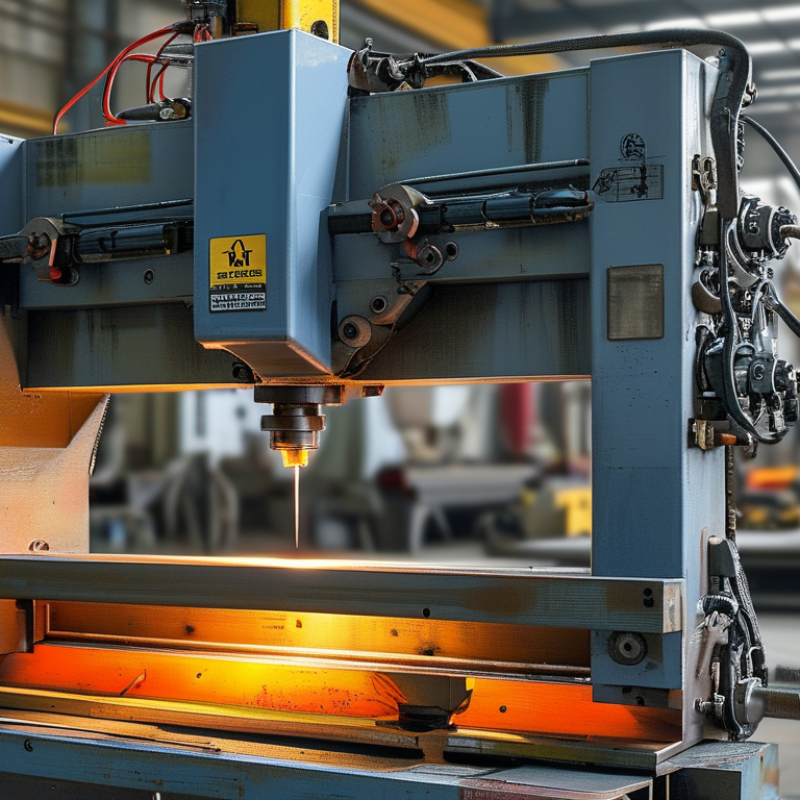
Understanding Hydraulic Bending Machines: A Comprehensive Overview
Hydraulic bending machines play a crucial role in metal fabrication. These machines are designed to bend metal sheets efficiently and accurately. Understanding their components and functionality can enhance their usability and selection process. According to a market research report by Grand View Research, the hydraulic bending machine market is expected to reach USD 3.54 billion by 2025, indicating a demand for reliable machines.
Key features to consider include bending capacity, machine control, and tooling options. A machine's bending capacity determines the thickness and type of metal it can handle. Digital controls have become increasingly preferred for precision. However, they can also introduce complexity that may overwhelm new users. Proper training is essential but often overlooked.
One of the challenges facing operators is the wear and tear on tooling components. Frequent use can lead to reduced accuracy over time. Regular maintenance is vital but can be neglected, resulting in performance declines. Understanding these factors is essential for making informed decisions about hydraulic bending machines.
Key Features to Consider When Selecting a Hydraulic Bending Machine
When selecting a hydraulic bending machine, consider the machine's capacity. This includes the maximum bending force and the bending length. A higher capacity allows for the processing of thicker and wider materials. Pay attention to the machine's specifications to ensure it meets your production needs. Also, assess the available tooling options. Versatile tooling can enhance the machine's adaptability for various tasks.
Another critical feature is the control system. An intuitive control interface can dramatically improve efficiency. Look for features like programmable settings that allow for repetitive bending tasks. Safety features are essential as well. Emergency stops and protective guards help ensure operator safety. Don't overlook the importance of maintenance requirements. Machines that are easy to maintain can reduce downtime and keep your operations running smoothly.
Finally, consider the reputation of the manufacturer. Research their history and customer support. A company with a solid track record is more likely to provide a reliable machine. Reflect on how these elements fit your specific requirements. Choosing the right machine involves assessing these factors carefully. Every detail counts in getting the most effective solution for your bending needs.
Evaluating Your Production Needs: Capacity and Specifications
When choosing a hydraulic bending machine, understanding your production needs is essential. Evaluate the capacity and specifications that align with your projects. Consider factors like maximum bending angle, material thickness, and the types of materials you work with. These details directly affect your machine's efficiency and output quality.
Tips for determining capacity: Assess your typical production volume. If you often handle large batches, opt for a machine with a higher capacity. Conversely, if your work varies frequently, a versatile machine may better serve your needs. Also, think about the future. Will your production demands grow? Selecting a machine that can adapt can save costs in the long run.
Know the specifications. A high-quality hydraulic system is crucial for achieving precise bends. Look for machines with advanced control systems that allow adjustments in real time. Don’t overlook the importance of safety features. Proper guarding and emergency stops not only ensure compliance but also protect your workforce. Selecting a machine based on these criteria will enhance your production reliability.
Comparing Brands and Models for Quality and Reliability
When choosing a hydraulic bending machine, comparing brands and models is crucial. Quality and reliability should be at the forefront of your decision. Look for machines with robust construction materials. These tend to withstand the rigors of daily operation. Check for features like adjustable bending angles and consistent pressure settings. Such details can indicate a reliable performance over time.
Research customer reviews to gauge user experiences. Their insights can help you understand common issues. Sometimes, even well-known brands may have hidden drawbacks. Pay attention to the warranty offered by different manufacturers. A longer warranty often reflects the company’s confidence in their product quality. Consider the availability of replacement parts as well. Machines with easily accessible components can save time and money in maintenance.
Finally, think about the machine's adaptability for future needs. Some models may lack flexibility. This could restrict your ability to take on diverse projects later. Investing in a machine that grows with your business is wise. Balance your immediate needs with long-term goals for the best decision.
Budgeting for Your Hydraulic Bending Machine: Cost Considerations
When budgeting for a hydraulic bending machine, costs can vary significantly. It's essential to understand what these costs entail. You might be tempted to go for the cheapest option available. However, this could lead to long-term problems like frequent repairs. The initial purchase price often does not reflect ongoing expenses. Maintenance, tools, and training should also be factored into your budget.
Consider the material you will work with. Aluminum is different from steel. Each material has specific bending requirements. You may find that some machines handle particular materials better. This could save you money in the long run. It’s worth noting that many buyers overlook the cost of supporting equipment. Tools like bending dies can add up quickly.
Research and experience play a vital role in making the right choice. Talking to industry professionals can provide insights. Some machines might seem robust, but their reliability is questionable. Think critically about your production needs. Reflect on whether you need a heavy-duty model or something lighter. Balancing upfront costs with long-term value is key.
Budgeting for Your Hydraulic Bending Machine