How to Source Zinc Die Cast Parts in 2026?
Sourcing Zinc Die Cast Parts in 2026 takes more than comparing unit prices. A reliable decision starts with the part’s job, annual volume, expected service life, and operating environment. These details shape alloy selection, tooling design, dimensional targets, and surface finish. A small latch inside a dry enclosure may need different protection from a handle exposed to moisture and frequent contact. Details matter.
This guide explains how to turn those requirements into a practical supplier brief. It covers design-for-manufacturing reviews, mold ownership, sample approval, inspection plans, and the production controls worth discussing before an order is placed. Ask suppliers how they manage porosity, flash, dimensional variation, and cosmetic defects. Request measurable evidence, such as inspection records and capability data, rather than relying on confident claims alone. Not every supplier will provide the same level of detail.
Quotes also deserve close reading. Compare tooling charges, minimum order quantities, packaging, finishing, lead times, and the assumptions behind each price. A low quote may omit important steps. Confirm who approves design changes and how defects are handled. Where possible, assess samples under realistic assembly and use conditions. One imperfect sample does not prove a process will fail, but it should prompt better questions. The goal is not to find a flawless supplier on paper. It is to build a sourcing process that makes trade-offs visible, verifies critical claims, and reduces surprises from first article to repeat production.
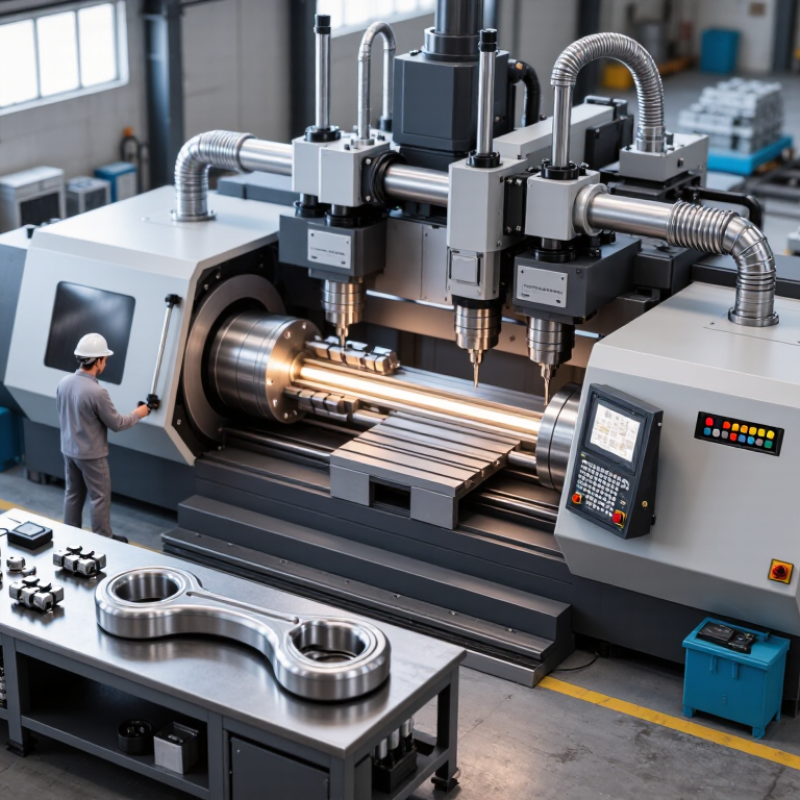
Define Part Requirements, Materials, and Production Volumes
A reliable zinc die cast quote starts with a defined part, not a rough sketch. Specify load, impact exposure, operating temperature, finish, and critical mating dimensions. Identify the zinc alloy by an established designation; “zinc” alone leaves too much room for interpretation. ASTM B86 covers zinc and zinc-aluminum die-casting alloys. The USGS Mineral Commodity Summaries 2025 estimates world zinc mine production at 12 million metric tons in 2024. That figure provides supply context, not a guarantee of stable alloy prices. Small details matter. Include wall thickness, draft, threads, and the locations where flash or visible witness marks are unacceptable.
Production volume changes the cost calculation. Give suppliers both annual demand and expected lifetime demand, then ask for assumptions on cavities, cycle time, scrap recovery, tool maintenance, and lead time. The International Lead and Zinc Study Group’s October 2024 forecast projected a 164,000-tonne refined-zinc surplus for 2024; forecasts can change, so avoid treating market balances as firm price promises. A 5,000-piece order and a 500,000-piece program may call for different tooling and inspection plans. Run a pilot. Measure sample parts against the drawing, including at least one difficult feature. A spreadsheet helps, but it cannot reveal every issue at the die.
How to Source Zinc Die Cast Parts in 2026: Define Requirements, Materials, and Production Volumes
Typical tensile strength provides one useful starting point for comparing zinc die-casting alloys. Confirm the required properties, applicable specifications, part geometry, and expected production volume with your supplier.
Values are representative typical figures in MPa, not guaranteed minimums. Actual results vary with alloy specification, casting conditions, part design, and test method. Production volume is not represented in this material-property comparison.
Map Zinc Die Casting Processes and Sourcing Regions
Sourcing zinc die cast parts in 2026 starts with matching the process to the part. Hot-chamber casting suits many zinc components because the alloy melts at a relatively low temperature and cycles quickly. It can produce thin ribs, small bosses, and detailed surfaces. Cold-chamber equipment may suit particular part sizes or production setups, but it is less typical for zinc. Ask suppliers to explain why their chosen process fits your geometry and volume.
Then map regions by capability, not reputation alone. East Asian suppliers often offer broad tooling and finishing options, while India may provide another cost and capacity base. Mexico can simplify coordination for North American programs; Central and Eastern Europe may suit buyers prioritizing nearby European production. These are starting points, not guarantees. A regional label tells little about a factory’s actual process control.
Request sample parts, alloy certificates, dimensional reports, and details on die maintenance. Check whether trimming, machining, and surface finishing happen in-house or through subcontractors. A shiny sample is not enough. Compare quotes using the same alloy, inspection plan, packaging, and annual volume. I would also leave room for one uncomfortable question: does the quoted cycle time come from sustained production, or just a promising trial? A short factory visit can reveal practical details, such as how operators check flash around a narrow slot.
Screen Suppliers for Capability, Quality, and Compliance
When sourcing zinc die cast parts in 2026, screen suppliers for the work your design actually requires. Ask about casting-machine capacity, shot-weight range, tooling maintenance, and experience with thin walls or tight tolerances. A capable supplier should explain how they control porosity, flash, and dimensional variation. Request sample inspection reports, not just a general quality promise. Numbers matter.
Review the quality system and production records before approving a tool. Check how incoming zinc, process changes, nonconforming parts, and corrective actions are documented. For compliance, confirm which material declarations, substance restrictions, and customer-specific records apply to your product and market. Ask for current evidence and traceability from material batch to shipment. A polished presentation is useful, but it does not replace records.
Tips: Send a representative drawing and expected annual volume, then compare quotations on the same assumptions. Request first-article measurements and functional samples before full production. Visit the facility if practical; watch a setup change or inspect a recent production lot. Note who answers technical questions and how quickly. One honest limitation can be reassuring. Still, supplier reviews are snapshots, and even a strong first run may not reveal long-term process drift. Keep periodic checks in your sourcing plan.
Validate Samples and Manage Production, Inspection, and Delivery
A zinc die cast sample should be checked against a drawing, not judged by appearance alone. Measure critical dimensions with the same datums used for production inspection. Check wall thickness, threads, flatness, and the fit of mating parts. Look closely at gate marks, flash, surface pits, and coating coverage. Keep an approved sample and record any agreed deviations. Small details matter.
A good sample does not guarantee a stable run. Request a first-article report from the production tooling, then compare parts from different cavities where applicable. Confirm the alloy, machine settings, trimming method, and finishing route. Ask how the supplier controls porosity and dimensional drift. Review inspection results, not just a pass statement. A neat spreadsheet can still hide a weak sampling plan. That deserves a closer look.
Agree on inspection frequency, defect limits, packaging, and shipment dates before volume production starts. For critical dimensions, specify the gauge or measurement method to avoid disputes later. Check that parts are protected from dents and moisture during transit, especially after finishing. Keep a few production parts for incoming comparison. Build in time for rework or a repeat inspection; schedules rarely behave perfectly. Track corrective actions with photos and dated records, so decisions remain clear when a shipment is delayed.

