Why Are Transmission Pans Important for Your Vehicle?
transmission pans play a crucial role in vehicle performance. These components house the transmission fluid, which lubricates and cools the transmission system. According to the Automotive Research Institute, nearly 30% of vehicle issues are related to transmission problems. This highlights the responsibility of transmission pans, as they help prevent fluid leaks and maintain optimal gearbox function.
Furthermore, regular maintenance of transmission pans can enhance vehicle longevity. Approximately 70% of all automatic transmission failures stem from fluid leaks or contamination. When a transmission pan fails, it can lead to costly repairs and extensive downtime. It is essential to ensure that these pans are inspected regularly and replaced when necessary.
Many vehicle owners overlook the importance of transmission pans. They may not realize that neglecting this part can lead to severe damage. Investing in quality transmission pans can protect against leaks and add to vehicle reliability. A simple inspection can reveal underlying issues that could be catastrophic if ignored. Understanding the importance of these components is vital for optimal vehicle performance and longevity.
The Role of Transmission Pans in Vehicle Performance
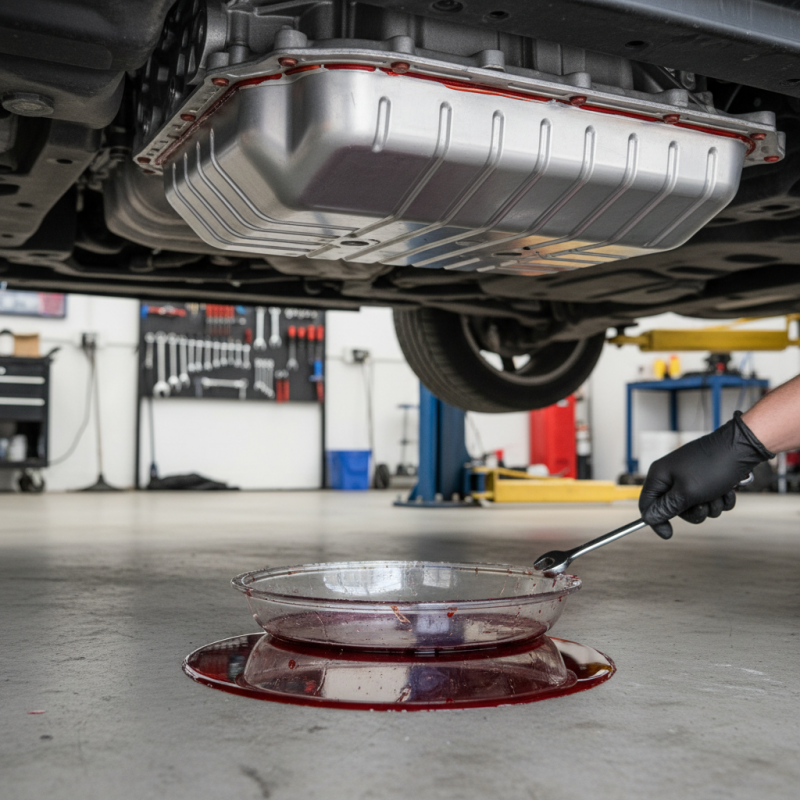
Transmission pans play a vital role in a vehicle's performance. They hold the transmission fluid, which lubricates the moving parts inside. This ensures smooth shifting and protects against wear and tear. A well-functioning transmission pan helps maintain optimal temperature, preventing overheating. Overheating can lead to serious engine damage, so keeping an eye on your transmission pan is essential.
When inspecting your transmission pan, look for signs of leaks or damage. Corrosion can weaken the material, leading to cracks. Regular maintenance includes checking the fluid levels. Low fluid can cause erratic shifting. Consider using a transmission fluid flush service every few years to keep everything running smoothly.
Tips: Always use the correct type of fluid for your vehicle. A wrong choice can damage the transmission. Monitor your driving habits, as aggressive driving can impact fluid levels. Pay attention to any unusual noises; they could signal issues with the transmission pan. If you notice leaks, don't ignore them. Small problems can turn into significant repairs if left unaddressed.
Key Components of a Transmission Pan and Their Functions
The transmission pan plays a crucial role in the vehicle's transmission system. It's a metal or plastic container that holds the transmission fluid. This fluid is vital for lubrication, cooling, and smooth shifting of gears. Without the transmission pan, fluid would leak out, causing severe damage to the transmission.
In addition to its primary purpose of holding fluid, the pan features several key components. The gasket seals the pan, preventing leaks and ensuring a tight fit. The filter, often located inside, cleans the fluid, trapping contaminants. Some pans have drain plugs, allowing easy fluid changes. Keeping these components in good condition is essential. If the gasket wears out, it leads to leaks. A clogged filter can reduce fluid flow, causing overheating and transmission failure.
Drivers often overlook the transmission pan until issues arise. Routine checks can prevent costly repairs down the line. Monitoring fluid levels and inspecting for leaks is beneficial. Even minor issues can escalate quickly. Ignoring maintenance can lead to serious problems. Timely care is not just smart; it's necessary for vehicle longevity.
Why Are Transmission Pans Important for Your Vehicle? - Key Components of a Transmission Pan and Their Functions
| Component | Function | Material | Typical Maintenance |
| Transmission Pan | Houses transmission fluid and protects internal components | Aluminum or stamped steel | Check for leaks, clean regularly |
| Pan Gasket | Seals the pan to prevent fluid leaks | Rubber or silicone | Replace during fluid changes |
| Filter | Cleans transmission fluid by filtering out debris | Paper or mesh | Replace regularly as part of maintenance |
| Drain Plug | Allows for quick fluid changes | Steel | Check for tightness, replace if leaking |
Common Issues Associated with Damaged Transmission Pans
Transmission pans play a crucial role in maintaining a vehicle's overall performance. These components hold transmission fluid, which lubricates and cools the transmission. A damaged transmission pan can lead to serious issues. Cracks or corrosion can cause fluid leaks, leading to insufficient lubrication. According to industry studies, over 36% of transmission failures result from inadequate fluid levels.
Common issues associated with damaged transmission pans include inconsistent shifting and overheating. When fluid leaks occur, drivers may notice slippage while changing gears. Over time, this can result in more severe transmission damage, increasing repair costs. Moreover, a study by the Automotive Service Association found that roughly 20% of vehicles require transmission services due to problems linked directly to transmission pan integrity.
In addition, neglecting a damaged pan can disrupt the entire transmission system. Dirty or low transmission fluid can burn more easily, causing further wear on components. Regular inspections can identify transmission pan issues before they escalate. However, many vehicle owners often overlook this crucial aspect of maintenance, leading to preventable failures. Such negligence reflects a broader trend where preventative measures are ignored, resulting in higher maintenance costs.
Maintenance Tips for Ensuring the Longevity of Transmission Pans
Transmission pans play a crucial role in the smooth operation of your vehicle's transmission system. They hold the transmission fluid, essential for lubricating internal components. Over time, these pans can suffer from wear and tear, leading to leaks or cracks. Regular maintenance helps extend their lifespan and ensures reliable performance.
One important tip is to check the transmission fluid level regularly. Low fluid can cause significant damage. Look for signs of leaks under your vehicle. If you notice spots, take it seriously. Another tip is to change the transmission fluid as recommended in your vehicle’s manual. Fresh fluid keeps the transmission cooler and cleaner.
Additionally, consider inspecting the transmission pan for any signs of rust or corrosion. These issues can create major problems if neglected. If you find any irregularities, it might be worth consulting a professional. The right advice can save you from costly repairs down the road. Transmission pans may seem small, but their maintenance is vital for the overall health of your vehicle.
Transmission Pan Importance and Maintenance
This chart illustrates the importance of maintaining transmission pans, the frequency of related issues, the cost of replacement, and the effectiveness of DIY maintenance. Proper care can significantly enhance the longevity and performance of your vehicle’s transmission system.
When to Replace Your Vehicle's Transmission Pan: Signs to Watch For
The transmission pan plays a vital role in your vehicle. It stores transmission fluid, which lubricates and cools the transmission system. Without a functioning pan, your vehicle’s transmission could suffer severe damage. Knowing when to replace the transmission pan is essential.
Watch for specific signs indicating a need for replacement. A common sign is fluid leaks underneath your vehicle. If you notice red or brown fluid stains on the ground, inspect your transmission pan. Another indicator is unusual noises coming from the transmission. Grinding or clunking sounds could mean trouble. Lastly, check for warning lights on your dashboard. Ignoring these signals can lead to costly repairs.
Tips for maintenance: regularly inspect your transmission fluid level and condition. Change the fluid according to your vehicle's manual guidelines. Maintain a clean transmission pan to prevent debris buildup. Remember, proactive care saves you from bigger issues down the road. If you face any signs of trouble, consult a professional mechanic for a thorough check. Don’t overlook the importance of your transmission pan; it’s crucial for your vehicle’s health.