What Is PCB Printing and How to Choose the Best Supplier?
PCB printing is a critical process in the electronics industry, allowing manufacturers to create intricate circuit boards. According to recent industry reports, the global PCB market is projected to reach $80 billion by 2026, driven by the increasing demand for high-tech devices. As technology evolves, the complexities of PCB designs have also heightened, making the choice of the right supplier essential.
Selecting a reliable PCB printing supplier can significantly impact product quality and production timelines. Many companies struggle with ensuring efficiency while maintaining high standards. A survey by IPC found that 40% of manufacturers cite quality issues as a primary concern when choosing suppliers. Understanding your specific needs and the supplier’s capabilities is crucial.
Researching and comparing suppliers can be daunting. Factors such as cost, speed, and technology used in PCB printing all play a role. Yet, many organizations overlook the importance of having clear communication and support from their suppliers. The right partnership can help streamline production and enhance innovation in product development.

Understanding PCB Printing: A Comprehensive Overview
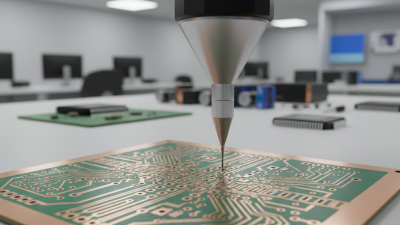
PCB printing is a critical process in electronic manufacturing. It involves creating printed circuit boards that support electronic components. The quality of PCB printing directly affects the functionality of electronic devices. Various techniques exist, such as screen printing and laser etching. Each method has its benefits and limitations.
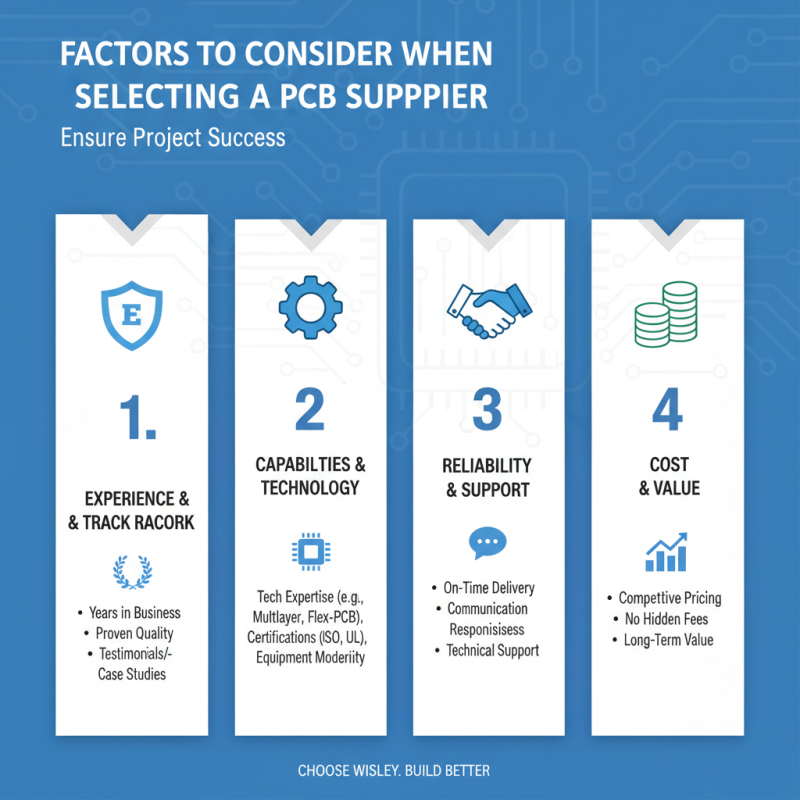
Selecting a PCB supplier can be challenging. Some suppliers claim to offer high-quality services but may not have the necessary expertise. Evaluating a supplier's experience and production capabilities is essential. Inspect their past projects to assess their reliability. Production timelines and communication are also key. A responsive supplier is more likely to meet your requirements and deadlines.
One must also consider cost versus quality. A cheaper option may save short-term costs but lead to issues down the line. Balancing budget constraints with the need for reliable products is often a complex decision. This can result in reflection on what is truly important—cost efficiency or long-term reliability. Seek reviews and testimonials to gauge supplier credibility.
PCB Printing Volume by Technology and Application
Key Processes Involved in PCB Printing Technology
PCB printing technology involves several key processes that ensure quality and efficiency. The first step is designing the PCB layout, usually done with specialized software. This stage is critical. A poorly designed layout can lead to circuit failures. You must ensure all components fit properly.
Next, the fabrication involves printing the design onto a substrate. This is done using various methods, such as etching. The selected method greatly impacts the precision of the final product. If the etching is not done correctly, it can cause shorts or open circuits.
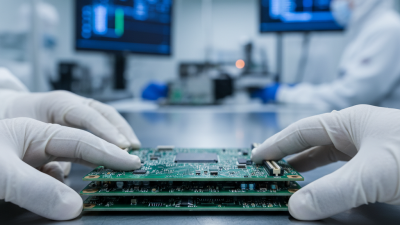
After that, surface mount technology (SMT) is used to place components onto the board. This process requires careful calibration. If not accurate, components might not be placed properly, affecting performance. Quality control checks are vital throughout these processes. They help identify issues early on, saving time and resources later. Each process has room for improvement, reflecting the need for constant evaluation and adaptation in PCB printing.
Evaluating Supplier Quality and Reliability in PCB Printing
When selecting a PCB printing supplier, evaluating quality and reliability is crucial. The PCB industry is projected to grow significantly, reaching an estimated $80 billion by 2027. This surge creates opportunities but also increases competition among suppliers. It’s vital to assess a supplier's track record in meeting deadlines and maintaining product quality.
Quality certifications like ISO 9001 are essential indicators of a supplier's commitment to quality. According to recent data, companies with ISO certification report 30% fewer quality issues. Additionally, obtaining feedback from previous clients can provide insights into a supplier's reliability. Engaging in a trial order can reveal much about their production capabilities.
It's not only about price. A low-cost supplier might cause delays or subpar products, leading to costly project setbacks. Research shows that up to 65% of production delays stem from quality problems. Balancing cost against reliability is key. Developing a robust assessment strategy can lead to better decision-making, tapping into the vast potential of PCB applications across various industries.
Comparing Costs and Services of Different PCB Manufacturers
When selecting a PCB manufacturer, cost and service quality are paramount. A recent industry report indicates that PCB production costs can vary significantly. Generally, prices range from $0.10 to $20 per square inch, depending on factors like complexity and volume. Lower prices can entice buyers, yet it's essential to evaluate what those costs entail. Cheaper options might reflect lower material quality or production standards.
Service quality also plays a critical role in deciding on a supplier. Surveys show that 70% of companies value timely communication and support. A reliable manufacturer should share key metrics, such as turnaround time and defect rates. While some suppliers might promise rapid delivery, confirmation of their production capabilities is vital. In instances where quality is compromised for speed, the long-term implications can undermine your project.
Flexibility in production capabilities can make a significant difference. Manufacturers with a proven track record of handling custom designs may charge more upfront. However, investing in such services can prevent costly revisions later. Industry experts suggest examining client testimonials and case studies to assess a manufacturer’s expertise. This reflection on costs versus quality could lead to more informed decisions in an increasingly competitive market.