Why is PCB Printing Essential for Modern Electronics Manufacturing?
PCB printing is a cornerstone of modern electronics manufacturing. The global printed circuit board market was valued at approximately $60 billion in 2022. This figure is projected to rise significantly over the next few years, driven by advancements in technology. As consumer electronics become more complex, manufacturers rely heavily on PCB printing.
The precision and reliability offered by PCB printing are unmatched. It allows for intricate designs that traditional methods simply can't achieve. According to industry reports, about 70% of electronic devices now require multi-layer PCBs. This has raised the demand for innovative printing techniques and precision engineering.
However, challenges exist in this rapidly evolving field. Many manufacturers struggle with scaling production while maintaining quality. Additionally, the environmental impact of PCB printing is a growing concern. Companies must find ways to address these issues while remaining competitive. Investing in advanced PCB printing technologies could be the key to overcoming these hurdles.
The Role of PCB Printing in Electronics Manufacturing
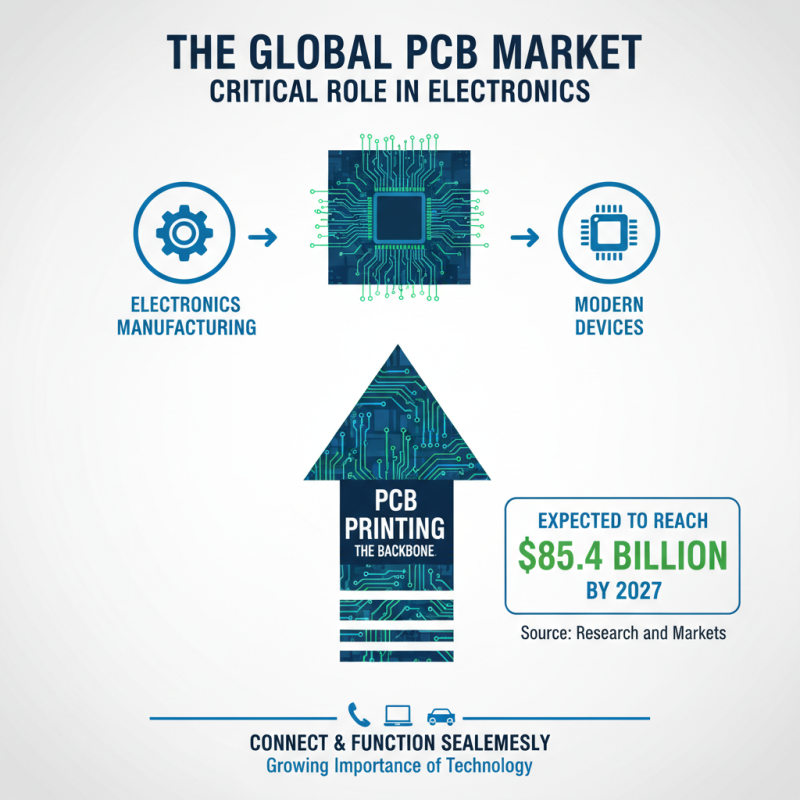
PCB printing plays a critical role in electronics manufacturing. Printed Circuit Boards (PCBs) are the backbone of modern electronic devices. They provide a platform for electronic components to connect and function seamlessly. According to a report by Research and Markets, the global PCB market is expected to reach $85.4 billion by 2027, highlighting the growing importance of this technology.
The precision of PCB printing is crucial. It enables manufacturers to produce complex circuits within a compact area. A well-printed PCB can reduce signal loss and enhance performance. However, inaccurate printing can lead to defects. A small misalignment may cause failures in devices. Industry data suggests that defective PCBs account for nearly 20% of all electronic failures. This statistic reflects the need for improved quality control in the manufacturing process.
Moreover, sustainability is becoming more prominent. Eco-friendly materials are increasingly used in PCB production. However, many companies still rely on outdated practices that harm the environment. A shift to greener methods is essential for long-term success. The industry must confront these challenges head-on to ensure a more sustainable future.
Key Advantages of PCB Printing for Modern Devices
PCB printing is vital for modern electronics manufacturing. It allows designers to create intricate circuits efficiently. The precision of PCB printing ensures that the components fit perfectly on the board. This reduces the likelihood of errors during assembly. When boards are manufactured precisely, the overall performance of devices improves significantly.
Another key advantage is cost-effectiveness. High-quality PCBs can be produced in bulk, lowering the unit cost. While initial investments can be high, the savings on mass production are considerable. However, quality control can sometimes falter. Not all boards come out perfect, leading to wasted materials. It’s crucial to have rigorous testing protocols to catch defects early.
Flexibility in design is also notable. PCB printing enables rapid prototyping. Engineers can test multiple designs quickly. Yet, the fast pace can lead to oversight. Designers may rush, overlooking important factors. Balancing speed and attention to detail is a constant challenge in this field. Embracing the benefits of PCB printing requires a commitment to continuous improvement and learning.
Innovations in PCB Printing Technology
Innovations in PCB printing technology have transformed modern electronics manufacturing. One significant advancement is the shift towards additive manufacturing. Instead of traditional methods, this technique allows for more precise design. It minimizes material waste, enhancing efficiency. However, the adoption isn't seamless. Some manufacturers struggle with the transition. They find themselves tied to outdated processes.
Moreover, the rise of flexible PCBs has opened new possibilities. These thin circuits can bend and twist, fitting into unconventional designs. This flexibility offers unique advantages in consumer electronics. Yet, integrating these into existing systems presents challenges. There are concerns about durability and performance under stress. Testing these new materials requires time and investment, which can deter innovation.
Another breakthrough is in the area of ink technology. Conductive inks have made rapid prototyping more accessible. They allow engineers to create functional prototypes quickly. Still, the limitations of ink performance need attention. Factors like temperature and moisture can affect reliability. These concerns highlight the necessity for ongoing research and development. As the industry evolves, balancing innovation with practicality becomes crucial.
Why is PCB Printing Essential for Modern Electronics Manufacturing?
The bar chart displays the efficiency metrics associated with modern PCB printing technology. These metrics include Material Cost, Manufacturing Time, Quality Control, Innovation Rate, and Waste Reduction, each reflecting critical factors that influence the overall effectiveness of PCB manufacturing in the electronics industry.
Challenges and Solutions in PCB Manufacturing
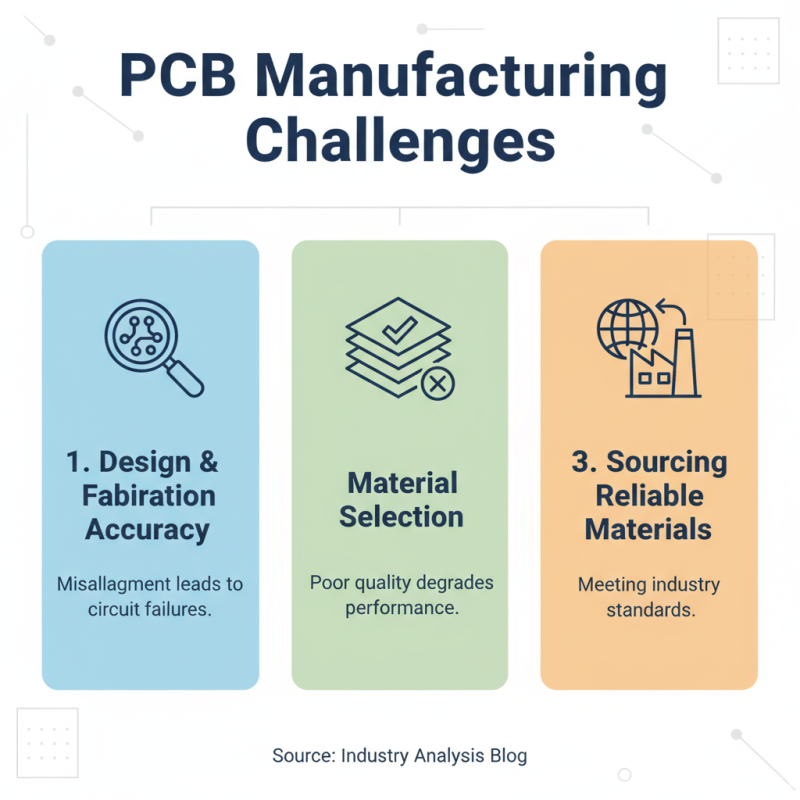
The challenges in PCB manufacturing are significant and diverse. One main issue is the accuracy of design and fabrication. A slight misalignment can lead to circuit failures, impacting device functionality. Additionally, material selection is crucial. Poor quality substrates can degrade performance. Manufacturers often struggle with sourcing reliable materials that meet industry standards.
To address these challenges, effective quality control measures must be in place. Regular inspections during the printing process help catch issues early. Implementing automated systems can streamline these checks, ensuring precision. Manufacturers should invest in staff training, emphasizing the importance of detail.
**Tips:** Always review your designs multiple times before production. Small errors can escalate. Using simulation software is a great way to visualize potential pitfalls. Foster open communication within your team. Discussing problems can lead to innovative solutions. Frequent brainstorming sessions can inspire ideas you didn’t consider alone.
Future Trends in PCB Printing for Electronics Industry
The future of PCB printing in the electronics industry is rapidly evolving. As technology advances, manufacturers seek faster and more efficient production methods. Innovations like 3D printing are beginning to reshape how PCBs are created. These processes can reduce waste and cut down production time. However, challenges remain in ensuring quality and precision.
Another trend is the push for miniaturization. Devices are getting smaller, requiring intricate, compact PCBs. This trend demands advanced printing techniques that can meet tight specifications. The complexity of designs can lead to potential errors. Manufacturers must continually refine their processes to avoid costly mistakes.
Sustainability is also a growing concern. PCB production often involves harmful materials and processes. As environmental awareness rises, eco-friendly printing methods are emerging. Companies are exploring alternatives like biodegradable materials. Yet, the transition can be slow and fraught with difficulties. Finding the right balance between performance and eco-friendliness is crucial.
Why is PCB Printing Essential for Modern Electronics Manufacturing? - Future Trends in PCB Printing for Electronics Industry
| Aspect |
Importance |
Future Trends |
| Component Density |
High density PCBs are crucial for modern electronic devices. |
Increased utilization of multi-layer PCB designs. |
| Cost Efficiency |
Reduction in manufacturing costs through advanced technologies. |
Adoption of additive manufacturing methods. |
| Sustainability |
Environmental impact reduction is a growing concern. |
Emphasis on eco-friendly materials and processes. |
| Customization |
Need for tailored solutions for specific applications. |
Increased capabilities for rapid prototyping and design modification. |
| Technology Integration |
Integration of IoT and smart technology into PCBs. |
Growth of embedded components and sensors. |