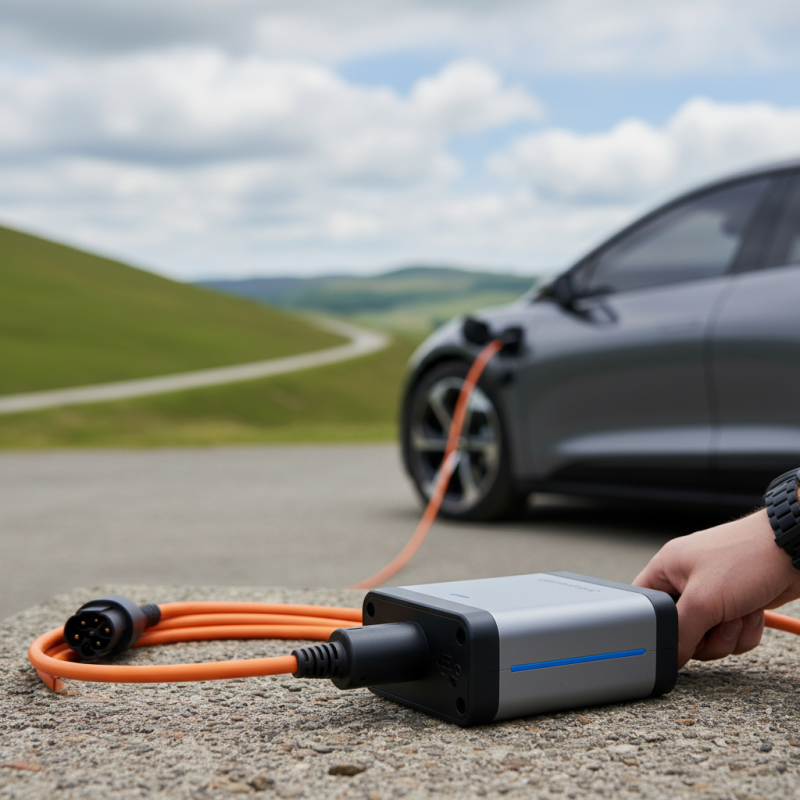
What is a Portable Ev Charger and How to Choose One?
As electric vehicles (EVs) become more popular, the need for convenient charging solutions grows. A Portable Ev Charger is a game-changer for EV owners. It allows for charging in various locations, providing flexibility and peace of mind. Unlike fixed chargers, these devices can be taken anywhere, making road trips more manageable.
When selecting a Portable EV Charger, several factors come into play. Understanding power levels, current compatibility, and brand reputation is crucial. Some chargers may not deliver the expected performance, leading to frustration. Finding a reliable and efficient charger can be challenging. Having a clear idea of your charging needs helps narrow down your options.
Battery technology is improving, but concerns about charging speed and efficiency still exist. It’s essential to choose chargers from reputable brands. Quality ensures safety and performance, which should never be compromised. As the market grows, more choices emerge. Evaluating these options carefully leads to better decisions.
A portable EV charger is a compact device designed to charge electric vehicles (EVs) anywhere. Unlike traditional wall-mounted chargers, these chargers can be easily transported and used in various settings. Their convenience makes them increasingly popular among EV owners, providing flexibility for both daily commuting and long trips.
The adoption of portable EV chargers has grown significantly. According to a 2022 report by the International Energy Agency, there were over 10 million EVs on the road globally. As more people transition to electric vehicles, the demand for versatile charging solutions rises. Portable chargers can charge at different power levels, typically ranging from 3.7 kW to 22 kW. A crucial aspect is that they often employ standard connectors, making them compatible with various EV models.
Despite their advantages, potential buyers should consider several factors. Not all portable chargers offer the same charging speed, and some may not be suitable for all locations. The practicality and safety of charging in an unfamiliar area can be a concern. Additionally, while convenience is paramount, not every portable charger is waterproof or durable, raising considerations about investment reliability. Buyers must carefully assess the features they need.
Key Features of Portable EV Chargers
Portable EV chargers are becoming increasingly popular as electric vehicles gain traction. When choosing one, several key features should be considered.
First, the charging speed is crucial. Look for chargers that offer different power outputs. A charger with a higher amperage will charge your vehicle faster. However, check your car’s compatibility with these outputs. Some chargers may support faster rates, while your car might not.
Portability is another important factor. A lightweight design with a compact build makes it easier to carry around. Look for options with durable materials for protection against wear and tear. Cord length is also essential, as it allows flexibility in various charging spots.
Safety features should not be overlooked. Ground fault protection, temperature control, and surge protection enhance safe usage. Chargers lacking these features could pose risks. Lastly, ensure the charger has a reliable warranty. This provides reassurance about its quality and durability over time. Many options exist, but the right choice depends on personal needs and vehicle specifications.
Benefits of Using a Portable EV Charger
Portable EV chargers offer numerous benefits, making them a valuable accessory for electric vehicle owners. These chargers provide flexibility and convenience by allowing users to charge their vehicles anywhere, whether at home, work, or on the road. Unlike traditional chargers, which require permanent installation, portable options are designed for easy handling and storage. This makes them ideal for those with limited charging access.
Using a portable EV charger can also enhance your travel experience. With a reliable power source, you can travel longer distances with peace of mind. Imagine stopping at a scenic spot and plugging in your car while enjoying the view. It's about freedom and adventure, reducing range anxiety significantly.
**Tips:** When selecting a portable EV charger, consider factors like charging speed and compatibility with your vehicle. Opt for a model with multiple charging modes for versatility. Always read user reviews to understand how it performs in real-world conditions. Are you truly ready to invest in something that might not meet your expectations? Consider seeking advice from experienced EV users before making a final choice.
Benefits of Using a Portable EV Charger
How to Choose the Right Portable EV Charger
When it comes to choosing the right portable EV charger, consideration of several factors is crucial. A survey by the Department of Energy indicates that over 80% of EV owners use home charging predominantly. Yet, for those frequently on the go, a portable charger becomes essential. Look for features such as adjustable power settings. Different models offer varying charge rates, from Level 1 to Level 2, which can significantly impact charging times.
Power output is another key aspect to consider. A higher wattage charger can cut your charging time in half compared to lower wattage options. According to industry reports, chargers with 32 amps can provide about 25 miles of range per hour, making them ideal for short stops.
Compatibility is vital as well. Ensure the charger works with various EV brands and models. Understanding the specifics of plug types and voltage compatibility is necessary to avoid costly mistakes.
Reflecting on user reviews can provide insight into the reliability of a charger. Many reports suggest issues with portability and durability under various weather conditions. Some users complain about safety concerns related to overheating. Choose models that prioritize safety features, such as automatic shutoffs. In the end, your travel habits and vehicle specifications should guide your decision on the best portable EV charger.
Safety Considerations for Portable EV Chargers
Portable EV chargers provide a convenient way to charge electric vehicles on the go. While they are useful, safety considerations are paramount. According to a report by the Electric Power Research Institute, effective safety practices can minimize risks associated with charging equipment. Ensuring that your charger has necessary certifications, such as UL or CE marks, is essential for maintaining safety standards.
One crucial aspect is understanding the electrical capacity of your charger. The National Renewable Energy Laboratory states that mismatching the charger with the vehicle’s power rating can lead to overheating or electrical fires. Always check the voltage and amp specifications. Using a portable charger with an inadequate power rating can also lead to longer charging times, impacting overall efficiency.
Tips: Always inspect the charging cables for any wear or damage before use. A damaged cable can pose serious risks. Additionally, avoid charging in wet conditions. Water exposure can create short circuits, leading to dangerous situations. Always charge in well-ventilated areas to prevent overheating and allow your device to function properly.
Newbury Electronics uses cookies to provide necessary website functionality, improve your experience, and to allow personalization of ads. By using our website, you agree to our Privacy Policy and our Cookies Policy.
This website uses cookies to improve your experience while you navigate through the website. Out of these, the cookies that are categorized as necessary are stored on your browser as they are essential for the working of basic functionalities of the website. We also use third-party cookies that help us analyze and understand how you use this website. These cookies will be stored in your browser only with your consent. You also have the option to opt-out of these cookies. But opting out of some of these cookies may affect your browsing experience.
Necessary cookies are absolutely essential for the website to function properly. These cookies ensure basic functionalities and security features of the website, anonymously.
Cookie
Duration
Description
cookielawinfo-checkbox-analytics
11 months
This cookie is set by GDPR Cookie Consent plugin. The cookie is used to store the user consent for the cookies in the category "Analytics".
cookielawinfo-checkbox-functional
11 months
The cookie is set by GDPR cookie consent to record the user consent for the cookies in the category "Functional".
cookielawinfo-checkbox-necessary
11 months
This cookie is set by GDPR Cookie Consent plugin. The cookies is used to store the user consent for the cookies in the category "Necessary".
cookielawinfo-checkbox-others
11 months
This cookie is set by GDPR Cookie Consent plugin. The cookie is used to store the user consent for the cookies in the category "Other.
cookielawinfo-checkbox-performance
11 months
This cookie is set by GDPR Cookie Consent plugin. The cookie is used to store the user consent for the cookies in the category "Performance".
viewed_cookie_policy
11 months
The cookie is set by the GDPR Cookie Consent plugin and is used to store whether or not user has consented to the use of cookies. It does not store any personal data.
Functional cookies help to perform certain functionalities like sharing the content of the website on social media platforms, collect feedbacks, and other third-party features.
Performance cookies are used to understand and analyze the key performance indexes of the website which helps in delivering a better user experience for the visitors.
Analytical cookies are used to understand how visitors interact with the website. These cookies help provide information on metrics the number of visitors, bounce rate, traffic source, etc.
Advertisement cookies are used to provide visitors with relevant ads and marketing campaigns. These cookies track visitors across websites and collect information to provide customized ads.