What is a Printed Circuit Board and How Does it Work?
A printed circuit board, or PCB, is a fundamental component in modern electronics. It serves as the backbone for many devices, from smartphones to computers. Understanding how a printed circuit board functions can demystify the technology behind these devices.
PCBs are made from layers of conductive materials and insulating substances. They connect various electronic components, enabling them to communicate and function together. This connection is pivotal to the operation of any electronic system. However, designing a printed circuit board isn't always straightforward. Misalignment or incorrect specifications can lead to failures.
As technology evolves, PCBs are made thinner and more complex. Yet, this complexity also brings challenges in manufacturing and assembly. Each printed circuit board tells a story of innovation and the need for precision. Reflecting on these details reveals both the triumphs and pitfalls in PCB design.
What is a Printed Circuit Board (PCB)?
A Printed Circuit Board (PCB) is a crucial component in many electronic devices. It serves as the backbone of the device, allowing various electronic parts to connect and communicate with each other. Typically flat and often green, it contains conductive pathways etched from copper. These paths connect different components like resistors, capacitors, and microchips.
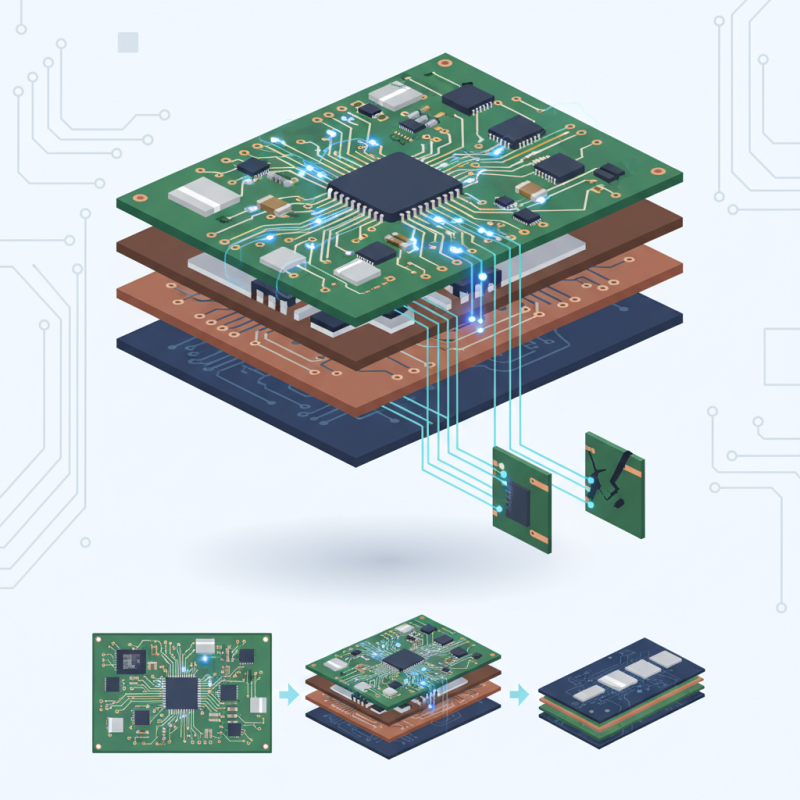
PCBs can vary in complexity. Simple designs might include only a single layer, while more advanced boards can have multiple layers stacked together. Each layer adds more functionality but also complexity. Mistakes in the design or manufacturing process can lead to failures, making testing a vital step. Sometimes, even a tiny error can result in significant issues during operation.
Understanding PCBs is essential. They are found in everything from smartphones to kitchen appliances. Despite their importance, many people overlook their craftsmanship. It’s fascinating to think how intricately designed these boards are, yet how frequently they go unnoticed in our daily lives. There's always room for improvement in their design and function, sparking ongoing innovation.
Key Components of Printed Circuit Boards
Printed Circuit Boards (PCBs) are essential components in modern electronics. They provide the physical foundation for circuit connections. Key components include traces, pads, vias, and components themselves. Each part plays a significant role in how the board functions.
Traces are conductive pathways. They allow electricity to travel between components. Pads are where components like resistors and capacitors are attached. Vias provide vertical connections between different layers of the board. These elements work together to create a functional circuit.
Tips: When designing a PCB, keep the layout simple. A cluttered design can lead to mistakes. Ensure adequate space between traces to avoid short circuits. It's crucial to consider thermal management. Without proper heat dissipation, components may fail.
Each PCB has its own challenge. Mistakes can result in non-functional boards. It's important to double-check all connections. Sometimes, even experienced designers overlook details. Take your time during the design and testing phases. A methodical approach often leads to better results.
The Manufacturing Process of PCBs
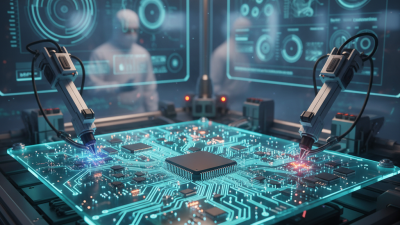
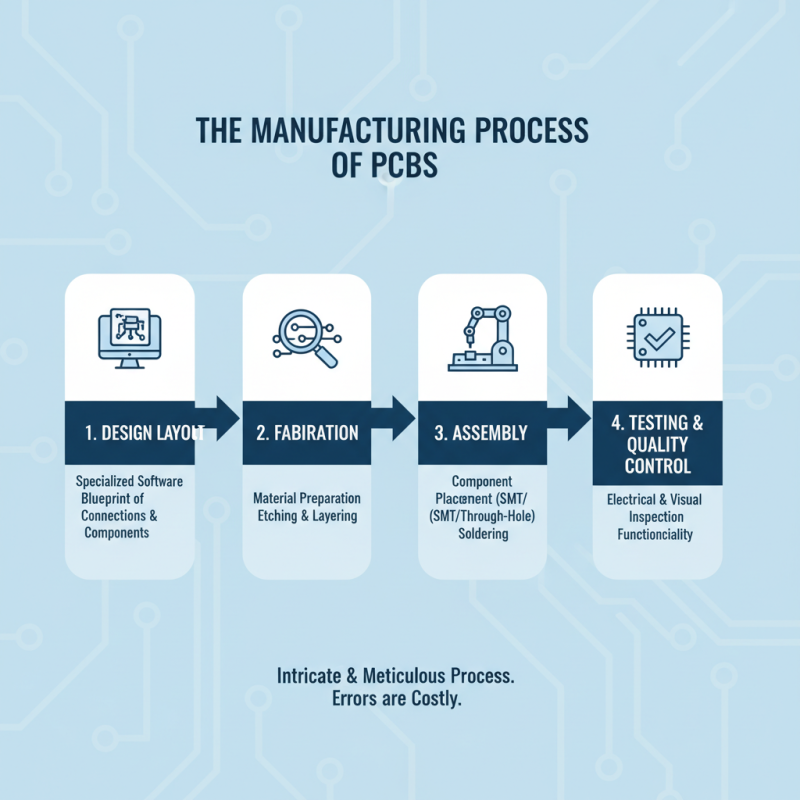
The manufacturing process of printed circuit boards (PCBs) is intricate and meticulous. It begins with designing the layout on specialized software. Engineers create a blueprint that maps out the connections and components. This design is crucial; errors can lead to faulty boards, which can be costly.
Once the design is finalized, it moves on to the production phase. The first step here is to create the outer layers of the PCB. A thin layer of copper is applied to a substrate. This layer is etched away to form the circuit pathways. However, this process can sometimes produce unexpected results. Misalignment or over-etching can occur, requiring revisions.
Next, the inner layers are processed. These layers often contain additional circuitry, enhancing the board's functionality. A complex layering of materials is used, increasing the chances of defects. Testing after each stage is a necessity. Many boards will fail initial tests, needing adjustments. Each failure offers insights, urging manufacturers to rethink their processes to improve quality and reliability.
How PCBs Facilitate Electrical Connections
Printed Circuit Boards (PCBs) are the backbone of modern electronics, facilitating electrical connections in a compact form. These boards host various components, such as resistors, capacitors, and integrated circuits, through conductive pathways etched onto a non-conductive substrate. According to recent industry data, the global PCB market is projected to reach over $80 billion by 2025, driven by advancements in technology and increasing demand for electronic devices.
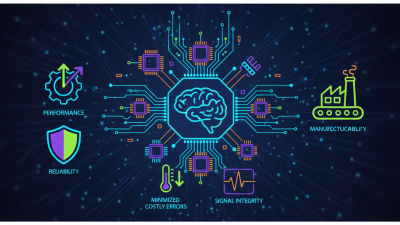
PCBs enable efficient electrical connections by reducing signal interference and enhancing durability. They deliver power and signals consistently while minimizing space. In high-frequency applications, PCBs ensure that signals travel with reduced latency. However, not all PCBs perform equally. The layout and material choices significantly affect their efficacy. A poorly designed PCB can lead to overheating and failure, impacting overall device functionality.
Tip: For optimal performance, prioritize layer count based on your specific needs. More layers can enhance performance but increase costs. Assessing material quality is crucial. Many engineers overlook this and face challenges later. Investing time in design and thorough testing can save significant costs down the line.
Understanding the Functionality of Printed Circuit Boards (PCBs)
Common Applications of Printed Circuit Boards
Printed Circuit Boards (PCBs) have become integral to modern electronics. Their common applications span various industries, highlighting their importance. In consumer electronics, PCBs are crucial. They are found in smartphones, tablets, and laptops. A report by the IPC indicates that the global PCB market reached approximately
$70 billion in 2022, showcasing significant growth potential.
In automotive applications, PCBs play a vital role as well. They manage electrical connections in advanced driver-assistance systems (ADAS), infotainment systems, and under-the-hood electronics. Estimates suggest that the demand for automotive PCBs will grow at a
CAGR of 5.6% from 2023 to 2030. This trend reflects an increasing reliance on electronic components in vehicles.
Medical devices also depend heavily on PCBs. They are used in diagnostic equipment, monitoring devices, and even in surgical instruments. According to industry analysts, the medical PCB market is projected to exceed
$10 billion by 2025. However, quality control remains a challenge in this field. Improper manufacturing can lead to device failures, affecting patient safety. Continuous advancements in production techniques are needed to address these concerns.