What Is a Spray Nozzle and How Does It Work?
A Spray Nozzle is a small component with a surprisingly important job. It converts liquid into controlled droplets, a narrow stream, or a soft fan-shaped spray. The result depends on pressure, nozzle design, liquid viscosity, and the desired coverage. In simple terms, it manages how fluid leaves a system.
Inside the nozzle, liquid travels through an inlet and reaches a carefully shaped opening. Pressure forces the liquid through this orifice. Some designs use internal vanes to create rotation before discharge. This movement breaks the liquid into droplets. A fine mist may cover a wide surface, while a solid stream delivers greater impact. These differences matter in irrigation, cleaning, cooling, food processing, and industrial coating.
Real-world performance is rarely perfect. A nozzle that works well with water may perform poorly with thicker liquids. Blocked openings can distort the spray pattern within minutes. I have also found that pressure readings alone can be misleading; flow rate and liquid temperature deserve attention. Small adjustments can change coverage, waste, and operating reliability. That is why selecting a Spray Nozzle requires more than checking its size. Material compatibility, maintenance access, droplet behavior, and application safety must be evaluated together. Manufacturers’ test data provides a useful starting point, but field conditions may differ. Careful observation remains essential. The spray tells the story.
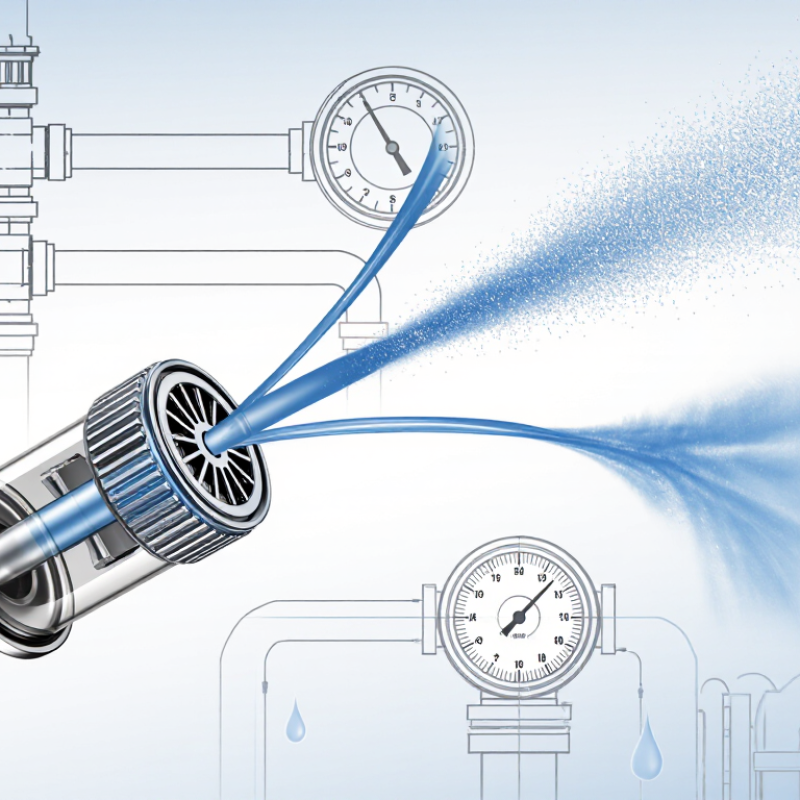
What Is a Spray Nozzle?
A spray nozzle is a small device that changes liquid into controlled droplets. It usually contains an inlet, internal passage, and shaped outlet. When liquid enters under pressure, the outlet redirects and breaks the flow into a spray pattern. The pattern may be flat, hollow, full cone, or a narrow stream. Its design affects droplet size, coverage, impact, and flow rate.
The nozzle does not create pressure by itself. A pump or elevated tank supplies the force. Inside the nozzle, liquid speed increases as the passage becomes narrower. Turbulence and air interaction then separate the liquid into droplets. Fine droplets cover broad surfaces, while larger droplets resist air movement better. This difference matters in cleaning, cooling, coating, and irrigation equipment. A blocked filter can change the pattern quickly. So can worn edges, incorrect pressure, or a liquid that is thicker than expected.
The definition is useful, but incomplete. Spray quality also depends on temperature, viscosity, pressure stability, and the distance from the target. During routine equipment checks, technicians often compare the spray pattern with a clean reference. Uneven edges may reveal partial blockage. Excessive mist may signal excessive pressure, though this is not always true. Nozzle selection is sometimes treated as a simple size choice. It is not. The best result comes from matching the nozzle shape and flow rate to the application, then checking performance under real operating conditions. Small errors remain easy to miss.
Key Components and Their Functions
A spray nozzle converts pressurized liquid into controlled droplets, sheets, or jets. Its performance depends on several small parts working together. The nozzle body provides the flow path and protects internal components. The inlet connects to the pipe, hose, or spray bar. A filter or strainer catches rust, scale, and debris before they reach the orifice. This simple screen often prevents uneven coverage.
Inside the nozzle, the orifice controls discharge volume and droplet size. A swirl chamber adds rotational movement, creating a cone-shaped spray pattern. The cap holds the internal parts in alignment, while a gasket limits leakage around the connection. Pressure matters greatly. Higher pressure may produce finer droplets, but it can also increase drift and wear. Lower pressure may create large droplets and poor coverage. The correct balance depends on the liquid, target surface, and operating distance.
The United Nations Food and Agriculture Organization reports that agriculture accounts for roughly 70% of global freshwater withdrawals. That figure makes accurate spray control more than a maintenance issue. The United States Environmental Protection Agency’s WaterSense program reports savings exceeding 8 trillion gallons since 2006 through efficient water products. Spray equipment can support the same principle, but nozzle charts are not perfect. Actual flow changes with pressure, temperature, blockage, and pump condition. A technician should measure the output, inspect the pattern, and replace damaged seals. Real systems rarely match the brochure.
How a Spray Nozzle Produces and Distributes Liquid
A spray nozzle converts liquid pressure into a controlled spray. Liquid enters through the inlet and moves toward a narrow opening. As the passage becomes smaller, the liquid accelerates. The nozzle then breaks the stream into droplets. Internal grooves, swirl chambers, or air passages can improve this breakup. The result may be a cone, fan, jet, or fine mist. Each pattern distributes liquid differently across a surface.
Droplet size depends on pressure, liquid thickness, nozzle design, and the opening diameter. Higher pressure often creates finer droplets, but not always. Excessive pressure can increase drift, noise, and wear. A wider spray angle covers more area, while a narrow angle delivers more concentrated flow. In field testing, I check the spray on a clean surface and measure the coverage. Small changes can matter. Temperature and blockage may also alter performance. No setup is perfect, and real conditions deserve careful review.
Tips: Match the nozzle to the liquid and required coverage. Keep the filter and opening clean. Check the spray pattern before regular use. Hold the nozzle at a steady distance and angle. Replace damaged parts promptly. Record pressure, flow rate, and coverage during testing. That simple record can reveal problems earlier. It is easy to overlook uneven edges.
Types of Spray Nozzles and Their Applications
A spray nozzle converts pressurized liquid into controlled droplets, sheets, or jets. Its geometry controls flow rate, coverage, impact, and droplet size. The best choice depends on the application, not appearance. Flat-fan nozzles create overlapping bands for crop treatment and surface cleaning. Hollow-cone nozzles produce fine droplets around an empty center. They suit cooling, humidification, and selected coating processes. Full-cone nozzles deliver denser coverage for tank washing, fire protection, and dust suppression. Air-atomizing nozzles use compressed air for very fine finishes.
FAO AQUASTAT reports that agriculture accounts for roughly 70% of global freshwater withdrawals. That figure makes nozzle efficiency more than an engineering preference. Air-induction nozzles create larger, air-filled droplets, often reducing drift compared with finer sprays. However, performance depends on pressure, wind, height, and liquid properties. ASABE S572.1 provides a recognized method for classifying agricultural spray quality. It helps technicians compare droplet categories consistently. In practice, catalog charts can mislead. Field conditions remain messy.
Tips: Check nozzle wear regularly. A worn orifice can increase output and distort the spray pattern. Calibrate with a measuring cylinder, stopwatch, and pressure gauge. Match construction materials with the liquid before continuous use. Keep inspection records. They reveal problems before uneven stripes, wet walls, or unstable cooling appear.
What Is a Spray Nozzle and How Does It Work?
A spray nozzle converts liquid into droplets by using pressure, air, centrifugal force, or a combination of these methods. The chart shows representative droplet-size ranges for common nozzle types. Smaller droplets improve coverage and evaporation, while larger droplets provide better penetration and reduce drift.
Factors That Affect Spray Nozzle Performance
What Is a Spray Nozzle and How Does It Work?
Factors That Affect Spray Nozzle Performance
A spray nozzle converts liquid pressure into droplets through a small orifice. Its performance depends on pressure, flow rate, liquid properties, and operating conditions. According to the ASABE S572.1 spray-quality standard, droplet categories are based on measured volume median diameter. This measurement helps technicians predict coverage and drift risk more reliably than visual inspection.
Pressure deserves careful attention. Nozzle flow changes with the square root of pressure. Therefore, doubling pressure increases flow by about 41%, not 100%. Excessive pressure may create finer droplets, uneven coverage, and greater sensitivity to wind. The ISO 5682-1 testing method also emphasizes controlled measurement because temperature, viscosity, and test equipment can affect results. Small errors matter.
Wear is easy to underestimate. Field calibration guidance commonly recommends replacing a nozzle when its output is about 10% above the rated flow. Filters, damaged tips, and partial blockages can create similar problems. Boom height also changes overlap and distribution. A practical check uses a clean container, a stopwatch, and several nozzles across the boom. Measure each one.
Conditions change quickly. A cool morning and a warm afternoon may produce different flow behavior. I have seen operators trust pressure gauges while ignoring worn openings. That is an imperfect habit. Reliable performance requires repeated checks, recorded measurements, and decisions based on actual spray patterns rather than appearance alone.

