What Are the Top Graphite Electrode Types in 2026?
As electric arc furnaces expand in 2026, choosing the right Graphite Electrode has become a practical engineering decision. Steelmakers must balance current density, furnace power, scrap quality, and operating temperature. A mismatch can cause oxidation, breakage, unstable arcs, and costly production delays.
The main categories include regular power (RP), high power (HP), and ultra-high power (UHP) electrodes. UHP grades usually support higher current loads and demanding large-furnace operations. HP electrodes may suit medium-sized furnaces seeking a balance between performance and cost. RP products remain relevant where electrical demands are lower. Their differences often involve graphite purity, thermal expansion, mechanical strength, and nipple design.
Real-world selection is less simple than a product label suggests. A 24-inch UHP electrode may outperform a smaller grade under severe conditions, but it can be uneconomical in a low-intensity furnace. Operators should examine measured resistivity, bulk density, flexural strength, and thermal expansion data. Supplier quality systems, production experience, and traceable test reports also matter. Ask for evidence.
Field experience shows that storage and handling can influence results almost as much as chemistry. Moisture, damaged threads, poor alignment, and incorrect torque can shorten electrode life. These details are easy to miss. This guide compares the leading Graphite Electrode types expected in 2026, explains where each performs best, and identifies the assumptions that still require careful review. Market forecasts can change. Actual furnace data remains the stronger guide.
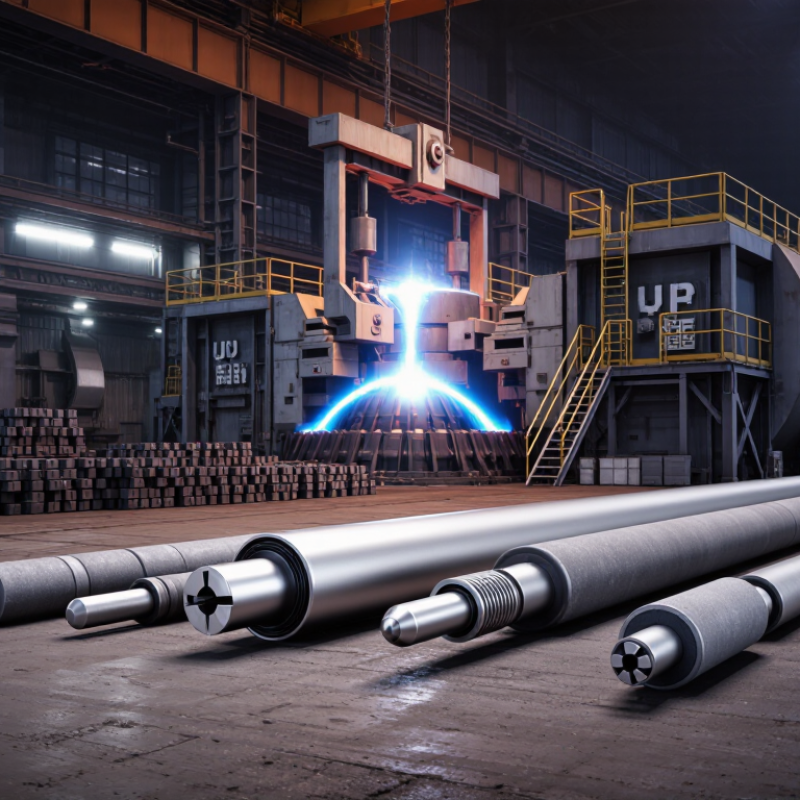
Graphite Electrodes: Definition, Structure, and Industrial Role
Graphite Electrodes: Definition, Structure, and Industrial Role
Graphite electrodes are conductive components used to transfer electric current into electric arc furnaces. They generate intense heat by creating an arc between the electrode and metallic charge. In steelmaking, this process melts scrap efficiently and supports flexible production schedules.
Their structure combines petroleum coke, needle coke, and a carbon-based binder. Manufacturers shape the mixture, bake it, and graphitize it at extremely high temperatures.
The final electrode contains aligned carbon layers, open pores, and threaded connections called nipples. These details affect conductivity, mechanical strength, oxidation resistance, and consumption rates.
The main electrode types include regular-power, high-power, and ultra-high-power grades. Regular-power electrodes suit moderate electrical loads. High-power grades manage stronger currents and demanding furnace cycles. Ultra-high-power electrodes use highly conductive materials and tolerate severe thermal stress.
In practice, selection depends on furnace design, current density, steel grade, and operating rhythm. A larger diameter is not automatically better. Improper cooling or unstable charging can damage even a premium electrode. That point is often underestimated. Operators should inspect surface cracks, measure joint condition, and track consumption per melted tonne. Data from the furnace matters more than a simple catalogue rating.
Yet electrode performance is never perfectly predictable. Raw material variation, thermal shock, and human adjustment can change results.
Key Types of Graphite Electrodes Used in 2026
In 2026, graphite electrodes are mainly classified as Regular Power (RP), High Power (HP), and Ultra-High Power (UHP). Each grade suits different furnace conditions. RP electrodes support moderate electrical loads and smaller electric arc furnaces. HP grades handle higher current densities with improved thermal resistance. UHP electrodes serve large furnaces, where intense arcs demand lower electrical resistance and stronger joints.
The World Steel Association reported about 1.88 billion metric tons of crude steel production in 2024. Electric arc furnaces produced roughly 28% of that volume. This supports continued demand for HP and UHP electrodes, especially in scrap-based steelmaking. UHP electrodes commonly use premium needle coke and carefully controlled graphitization. Their larger diameters can reduce the number of electrode connections during furnace operation. That detail matters on a noisy shop floor, where every connection adds handling risk.
Not every furnace needs UHP. That is often overlooked. A smaller furnace may gain little from its higher purchase price. The USGS Mineral Commodity Summaries 2025 estimated global natural graphite mine production at approximately 1.6 million metric tons in 2024. However, this figure does not directly measure electrode demand, because many electrodes rely on synthetic graphite and needle coke. Buyers should compare resistivity, flexural strength, bulk density, and consumption per ton of steel. Supplier test certificates help, but furnace records remain more trustworthy. Local operating data can challenge a neat specification sheet.
What Are the Top Graphite Electrode Types in 2026?
RP, HP, and UHP are the main graphite electrode grades used in electric arc furnaces. UHP electrodes generally provide the lowest electrical resistivity and the highest mechanical strength, making them suitable for high-power steelmaking.
The values shown are representative industry specification levels: maximum electrical resistivity and minimum flexural strength. Exact specifications vary by electrode diameter, manufacturing standard, and application.
2026 Trends Shaping Graphite Electrode Performance and Demand
What Are the Top Graphite Electrode Types in 2026?
In 2026, ultra-high-power (UHP) graphite electrodes remain central to efficient electric arc furnace operations. Their low electrical resistance supports higher current loads and shorter melting cycles. This matters when furnaces process heavier scrap mixes or operate under unstable power conditions. Large-diameter UHP electrodes also reduce connection points, although they require precise handling during installation. Small mistakes become expensive.
High-power (HP) electrodes continue serving medium-duty furnaces and controlled steelmaking schedules. They balance conductivity, thermal stability, and purchase cost more effectively than many premium grades. Regular-power electrodes still have a role in smaller furnaces, foundries, and applications with moderate electrical demands. Their lower performance ceiling can become a weakness during rapid production changes.
Demand in 2026 is being shaped by energy efficiency, recycled steel growth, and stricter process monitoring. Buyers increasingly examine oxidation resistance, nipple strength, joint accuracy, and consumption per tonne. Smart furnace controls can protect electrodes from thermal shocks, but they cannot correct poor electrode alignment. Recycled raw materials may also alter wear patterns between batches. That variable deserves more attention. Technical teams should compare laboratory data with furnace records, including sidewall wear, breakage frequency, and arc stability. Price alone gives an incomplete picture.
What Are the Top Graphite Electrode Types in 2026? - 2026 Trends Shaping Graphite Electrode Performance and Demand
Representative technical ranges and market priorities for graphite electrodes used in electric arc furnace and ladle furnace operations
| Electrode Type | Typical Current Density
(A/cm²) | Electrical Resistivity
(µΩ·m) | Bulk Density
(g/cm³) | Thermal Expansion
(×10⁻⁶/K) | Typical Furnace Use | 2026 Demand Position | Main Performance and Procurement Drivers |
| Regular Power (RP) | 17–24 | ≤ 9.0 | 1.60–1.72 | 2.2–2.8 | Lower-intensity electric arc furnace melting, foundries and applications with moderate electrical loading | Selective | Lowest initial cost, adequate mechanical strength and compatibility with moderate transformer power; demand is constrained where furnaces are upgraded for higher productivity. |
| High Power (HP) | 18–25 | ≤ 7.5 | 1.65–1.75 | 1.8–2.5 | Medium-power electric arc furnaces, steel melting and selected ladle furnace operations | Stable to Rising | Balanced cost and performance, improved resistance to thermal shock, and suitability for plants seeking productivity gains without using the highest-specification grade. |
| Ultra-High Power (UHP) | 25–35 | ≤ 6.5 | 1.68–1.78 | 1.0–1.8 | High-power and ultra-high-power electric arc furnaces, especially large furnaces and high-productivity steelmaking | Strongest Growth | Low resistivity, high current-carrying capacity, low thermal expansion, reduced breakage risk and compatibility with shorter melting cycles and higher transformer ratings. |
| Large-Diameter UHP | 26–36 | ≤ 6.0–6.5 | 1.70–1.80 | 1.0–1.7 | Large-capacity electric arc furnaces using high electrical input and larger electrode columns | High Growth in New Capacity | Higher current transmission, improved connection reliability, precise machining and strong resistance to oxidation, thermal stress and nipple-related failures. |
| Low-Consumption UHP | 25–34 | ≤ 6.0–6.5 | 1.70–1.80 | 1.0–1.6 | High-utilization furnaces where electrode consumption, downtime and energy efficiency are closely monitored | Premium Demand | Higher purchase price is justified by lower specific electrode consumption, fewer unplanned stoppages, stable joints and better process control. |
Data note: Values are representative industry ranges rather than universal specifications. Actual performance varies with electrode diameter, pitch and binder system, graphitization conditions, nipple design, furnace operating practice, current waveform, cooling and oxidation exposure. Resistivity and thermal-expansion values should be compared only when the same test methods and temperatures are used.

