Top 10 Screw Centrifuge Manufacturers for Global Buyers
Choosing a Screw Centrifuge manufacturer involves more than comparing catalog prices. Buyers must examine separation performance, material quality, energy use, automation, and after-sales support. A machine may look impressive online, yet struggle with abrasive sludge, variable feed rates, or limited maintenance access.
This guide introduces ten leading Screw Centrifuge manufacturers serving global industrial buyers. The selection focuses on practical purchasing factors, including bowl speed control, differential speed adjustment, torque protection, wear-resistant components, and control-system integration. It also considers documented industry experience, export capability, technical service, spare-parts availability, and compliance with recognized quality standards.
Real operating conditions matter.
A centrifuge installed in a municipal wastewater plant faces different demands from one processing food ingredients, minerals, or chemical residues. Feed concentration, particle size, moisture targets, and operating temperature can change the best choice. Reliable suppliers explain these limits clearly instead of promising universal performance.
No ranking is flawless. Manufacturer data may emphasize ideal test conditions, while field results depend on installation, operator training, and maintenance discipline. That limitation deserves attention. Global buyers should verify references, request performance data, and assess the supplier’s response before signing a contract.
The companies discussed here represent different strengths, production scales, and regional service networks. Some focus on advanced automation. Others compete through durable designs, customization, or responsive support. This overview offers a professional starting point for comparing suppliers and reducing avoidable procurement risks.
Screw Centrifuges: Definition, Design, and Industrial Applications
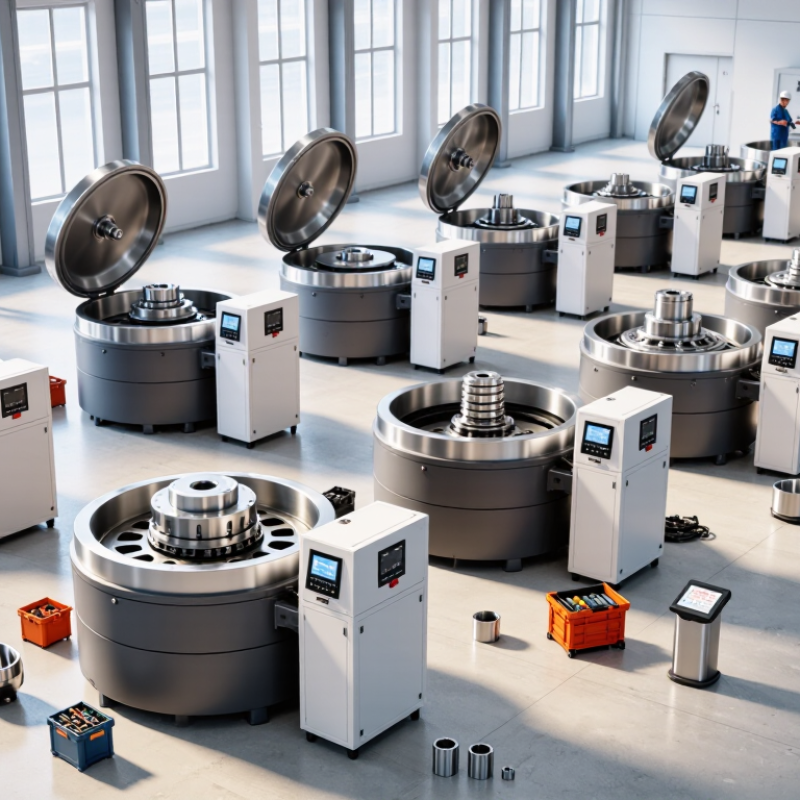
A screw centrifuge, often called a decanter centrifuge, separates solids from liquids through continuous centrifugal force. Inside its rotating bowl, a helical screw moves settled particles toward the discharge end. Differential speed controls residence time and cake dryness. Feed enters through a central pipe, while clarified liquid exits separately. It is a compact design, but small settings can change performance significantly.
The U.S. Environmental Protection Agency reports that wastewater treatment can consume 30–40% of municipal energy use. Efficient dewatering therefore matters for operating costs. Screw centrifuges reduce sludge volume before transport, digestion, or drying. They also support food processing, mineral concentration, chemical production, and industrial wastewater treatment. UNESCO’s 2024 World Water Development Report notes that agriculture accounts for roughly 70% of global freshwater withdrawals. This increases interest in separating process solids and recovering reusable water.
Real installations require practical testing. Polymer demand, feed variability, abrasive particles, and vibration can weaken theoretical efficiency. No design is universally optimal. Operators should compare torque, capture rate, moisture content, noise, and cleaning time under actual feed conditions. A machine may perform well in laboratory trials, then struggle with seasonal changes. Maintenance access matters too. Worn scroll flights, blocked outlets, or poor lubrication can quickly reduce capacity. Professional selection should therefore combine manufacturer data, pilot testing, energy measurements, and verified operating records rather than relying only on catalog capacity.
How to Evaluate Global Screw Centrifuge Manufacturers
Evaluating global screw centrifuge manufacturers requires more than comparing catalogue capacity. The buyer should request site references, feed-sludge data, and witnessed performance tests. A machine rated for 50 m³/h may perform poorly when sludge concentration changes. That detail matters.
The U.S. Environmental Protection Agency reports that centrifuges commonly achieve about 95–99% solids capture, while cake solids often range from 15–35%, depending on feed quality and polymer control. Ask manufacturers to disclose these values under identical test conditions. Also check bearing design, bowl speed, differential speed, vibration limits, and wear-part replacement intervals. Energy use deserves attention. Require measured kilowatt-hours per dry tonne, not a promotional estimate. Small differences become expensive after continuous operation.
Global water pressure adds urgency. The World Bank’s “Wastewater: From Waste to Resource” report estimates that more than 80% of wastewater is discharged without adequate treatment worldwide. However, market pressure should not replace engineering judgment. Examine factory quality records, commissioning procedures, operator training, and local service response times. Confirm whether electrical controls meet the destination country’s standards. It is easy to overvalue stainless steel finish. A neglected maintenance plan can undermine excellent equipment. No scorecard is perfect. Leave room for uncertainty, and make suppliers explain what their test data does not prove.
How to Evaluate Global Screw Centrifuge Manufacturers
Recommended 100-point procurement framework for comparing screw centrifuge suppliers without relying on brand reputation alone.
The weighting reflects common industrial buyer priorities: separation performance and throughput determine process results, while lifecycle cost, construction materials, automation, service support, compliance, and verified references reduce operational and purchasing risk. Buyers can adjust the weighting according to feed characteristics, local regulations, and operating conditions.
Technology, Capacity, Compliance, and Service Comparison
When comparing the top ten screw centrifuge manufacturers, buyers should examine technology beyond brochure speed. A robust design usually combines controlled differential speed, wear-resistant scroll flights, and automatic torque protection. Operators should check separation results at the actual feed concentration, not only laboratory samples. Watch the scroll. It often determines daily stability.
Capacity claims need practical context. Ask for continuous throughput, moisture targets, power consumption, and allowable solids loading. A machine rated for 20 cubic meters per hour may perform differently with abrasive sludge. Request a witnessed factory acceptance test using representative material. Frame size, feed system, vibration control, and maintenance access also affect useful capacity. Larger is not always better.
Compliance should include documented quality systems, material certificates, electrical conformity, guarding, and applicable hazardous-area certification. Requirements vary by destination, so local verification remains essential. Service quality is equally important. Compare commissioning support, remote diagnostics, spare-parts availability, response times, and technician coverage. Ask how quickly a worn scroll can be inspected and repaired. No comparison is perfect. Some manufacturers provide impressive data but limited field evidence. Buyers should request references from similar industries and review operating records, not polished claims. Clear manuals and realistic warranty terms are reliable signs of professional support.
How Global Buyers Can Select the Right Manufacturer
Top 10 Screw Centrifuge Manufacturers for Global Buyers
How Global Buyers Can Select the Right Manufacturer
Selecting a screw centrifuge manufacturer requires more than comparing catalogue capacity. The UN World Water Development Report 2024 estimates that 2.2 billion people lacked safely managed drinking water in 2022. This pressure increases demand for reliable sludge and wastewater equipment. Buyers should request verified test results using their own feed material, not generic laboratory data. Check separation efficiency, cake dryness, polymer consumption, torque limits, and hourly throughput.
Look for manufacturers with documented quality systems, traceable components, and service coverage near the installation site. ISO 9001 certification can indicate controlled processes, but it does not guarantee strong centrifuge performance. Ask for commissioning records, failure statistics, spare-part lead times, and references from similar industries. Important details include bowl metallurgy, scroll protection, vibration monitoring, explosion-control requirements, and compatibility with local electrical standards.
Energy use deserves close attention. The International Energy Agency reports that industry accounts for roughly 37% of global final energy consumption, making efficient equipment a practical purchasing concern. Compare power consumption per tonne of dry solids, not only motor ratings. A lower purchase price may create higher lifecycle costs through wear parts and downtime. This is easy to underestimate. I would also challenge optimistic guarantees and require independent acceptance testing. A supplier may appear technically strong, yet weak regional support can quickly become the real operating risk.

