Top 10 Tips for Choosing the Best Residential Door Lock?
Choosing the right Residential Door Lock is essential for home security. A reliable lock offers peace of mind and protection for your property. With so many options, it's easy to feel overwhelmed. Different locks vary in features, security levels, and costs. Understanding these differences can help you make a better choice.
In today's world, a strong residential door lock is more important than ever. Break-ins occur frequently, and a quality lock can deter thieves. Each lock comes with unique pros and cons. Consider factors such as durability, ease of use, and installation. A lock that seems perfect may not always fit your needs.
It's important to evaluate your lifestyle and requirements. Sometimes, people overlook their specific circumstances when selecting a lock. What works for a family with young children may not suit a single professional. Take your time to reflect on what is truly required for your home’s security. A thoughtful approach will lead you to the best residential door lock for you.
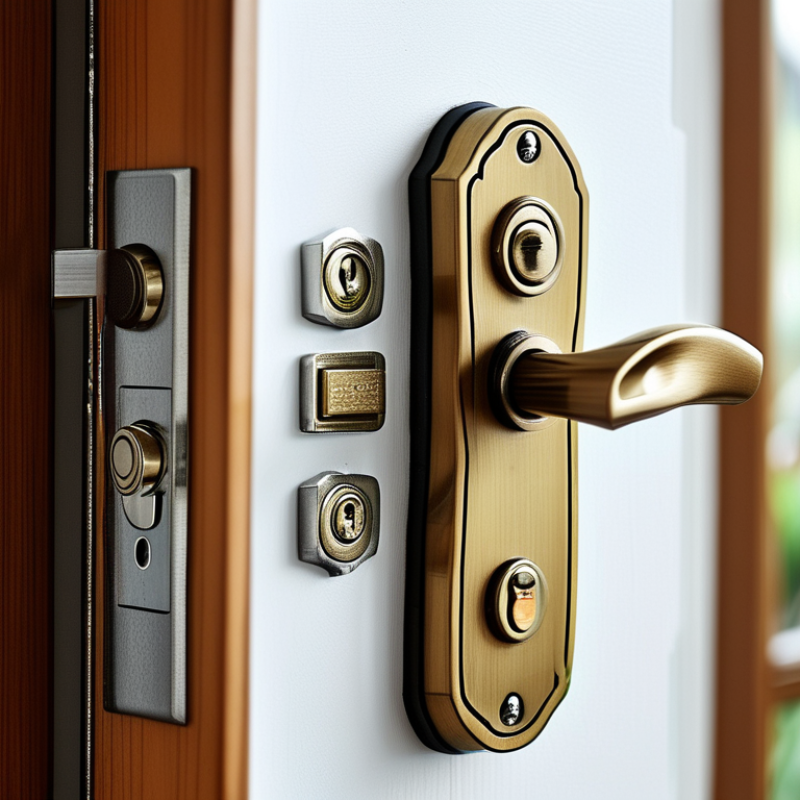
Understanding Different Types of Residential Door Locks
When selecting a residential door lock, understanding the different types is crucial. Key types include deadbolts, knob locks, and smart locks. Deadbolts provide excellent security. They have a strong, solid bolt that extends into the door frame. This feature makes it hard for intruders to access your home. However, installation can be more complex and may require professional help.
Knob locks, on the other hand, are easier to install and more affordable. However, they are not as secure as deadbolts. Their mechanism can be vulnerable to forcing or picking. Smart locks offer convenience, allowing you to unlock your door through a smartphone app. Yet, they rely on batteries and Wi-Fi connectivity, which can fail sometimes.
Evaluating the specific needs for your home is essential. Consider the environment and area where you live. Some locks may not withstand extreme weather conditions. Additionally, always remember that no lock is entirely foolproof. Regular updates and maintenance are necessary to keep them effective. Each type of lock brings unique advantages and challenges, making it important to reflect on what matters most for your security.
Evaluating Security Features of Door Locks
When choosing a residential door lock, understanding security features is paramount. According to industry reports, nearly 60% of break-ins occur through a door, emphasizing the importance of strong locking mechanisms. Look for locks that have a grade rating from the American National Standards Institute (ANSI). A Grade 1 rating indicates the highest level of security and durability.
Deadbolts are a must-have. They provide a secure deadlocking mechanism that resists forced entry better than standard spring bolts. Data shows that homes with deadbolts are 15 times less likely to be broken into compared to those with regular locks. Additionally, examine the material of the lock. High-quality steel components increase resistance to tampering. Cheap locks often use weaker materials, which can pose risks.
Consider modern features like smart locks as well. Research indicates that nearly 30% of new installations include smart technology, providing remote access and alerts. However, these locks may have vulnerabilities, such as hacking risks. Always weigh convenience against security to make informed choices. Evaluate each option carefully, considering both advantages and limitations.
Assessing the Durability and Weather Resistance of Locks
When selecting a residential door lock, assessing durability and weather resistance is crucial. A lock's material plays a significant role. Stainless steel and brass are often recommended for their strength and resilience. They resist rust and corrosion, ensuring longevity. Look for locks that have been tested against harsh weather conditions. Weather resistance can prevent malfunction during extreme heat or cold.
Examine the finish of the lock as well. High-quality finishes can ward off scratches and fading, maintaining the lock's appearance over time. Additionally, consider whether the lock can withstand physical stress. Locks that feature hardened steel pins or reinforced cylinder designs offer enhanced security. Seek out locks that provide test results or certifications from trusted organizations.
Keep in mind that even the most durable locks may show signs of wear over time. Regular maintenance is essential to ensure functionality. Periodically check for sticky mechanisms or loose screws. This proactive approach can extend the life of your lock and enhance security. Ultimately, choosing a durable and weather-resistant lock involves weighing material, finish, and maintenance needs. Prioritize these factors to ensure your home remains secure in any climate.
Top 10 Tips for Choosing the Best Residential Door Lock
| Tip Number | Criteria | Description |
| 1 | Material | Choose locks made of high-quality materials, like stainless steel or brass for enhanced durability. |
| 2 | Weather Resistance | Lock should be resistant to corrosion and able to withstand extreme weather conditions. |
| 3 | Security Rating | Look for locks that meet or exceed industry security standards. |
| 4 | Lock Type | Consider deadbolts, handle locks, or electronic locks based on your security needs. |
| 5 | Ease of Installation | Select locks that are easy to install and come with clear instructions. |
| 6 | Cost | Evaluate your budget but remember that higher-quality locks offer better long-term security. |
| 7 | Brand Reputation | Research the reputation of manufacturers, focusing on reliability and customer reviews. |
| 8 | Warranty | Choose products that come with a warranty for added peace of mind. |
| 9 | User Reviews | Read user reviews to gauge satisfaction levels and common issues. |
| 10 | Professional Installation | Consider professional installation for complex locks to ensure optimal security. |
Considering Key Management Options for Convenience
When choosing a residential door lock, key management is a crucial factor for convenience. A recent survey revealed that nearly 70% of homeowners experience stress over misplaced keys. This emphasizes the need for a logical system of organization. One efficient approach is to use smart locks, which allow access through mobile applications instead of traditional keys. This method eliminates the hassle of carrying keys and reduces the likelihood of being locked out.
In addition to smart locks, there are various key management solutions available. Key cabinets can keep physical keys organized, while automated key systems offer advanced tracking. Interestingly, studies show that 50% of break-ins occur due to the failure of standard locks. Investing in electronic locks could significantly enhance home security. These locks often include features such as temporary access codes, which can be convenient for guests or maintenance workers.
However, homeowners should also be aware of the potential downsides. Electronic locks require batteries, and downtime can occur if not properly maintained. Keyless systems can malfunction, leading to lockouts. It's essential to weigh these factors while considering your key management options. An informed choice can not only improve convenience but also increase your home’s security.
Budgeting for Quality: Price vs. Security in Door Locks
When considering the security of your home, the door lock is a crucial element. It's essential to understand the balance between price and quality. A lower price often correlates with less security. However, it’s not always a straightforward equation. Sometimes, you pay more for features you don’t need. Evaluate what matters most.
Quality door locks usually incorporate advanced materials and technologies. They offer better durability and resistance to picking and drilling. Yet, some mid-range locks can provide adequate security without breaking the bank. It’s worth investigating multiple options to see which combination of features fits your needs. Not every expensive lock guarantees complete safety.
Reflect on your home’s specific vulnerabilities. The neighborhood's crime rate may change what you require. Conducting a risk assessment can help identify the best lock type. A simple, cost-effective lock with reliable features may be all you need. Choosing wisely involves more than just focusing on cost. Balancing your budget with your security needs can lead to better peace of mind.