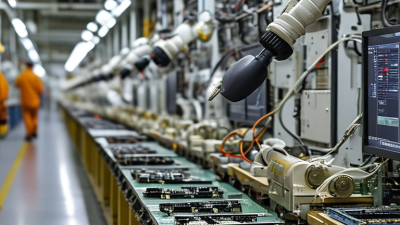
2026 Top PCB Assembly Manufacturers for Global Buyers
Choosing a pcb assembly partner in 2026 requires more than comparing hourly rates or polished factory websites. Global buyers need evidence of manufacturing discipline, stable sourcing, technical depth, and dependable communication. A capable supplier should explain its DFM process, inspection controls, component traceability, and production capacity clearly.
Philip Stoten, a respected electronics manufacturing analyst, has observed, “Supply chain resilience is not a destination; it is a continuous process.” That principle matters when evaluating manufacturers across Asia, Europe, and North America. A serious factory should show how it manages approved vendor lists, counterfeit prevention, moisture-sensitive devices, and sudden component shortages. Look for practical details: automated optical inspection after placement, X-ray inspection for hidden solder joints, and serialized records that connect each board to its materials and operators.
This guide reviews the 2026 top pcb assembly manufacturers for global buyers. It considers certifications, engineering support, prototype flexibility, volume capability, quality metrics, and communication practices. Compliance with recognized standards, including ISO 9001 and IPC-A-610, remains important, but certificates alone cannot guarantee reliable production. Ask for process evidence.
No ranking is perfect. Supplier performance can change with leadership, workload, regional disruption, or one difficult component. Buyers should validate claims through audits, sample builds, reference checks, and clearly defined acceptance criteria. The best choice may not be the largest manufacturer. It may be the partner that answers difficult questions directly, documents limitations honestly, and improves after a failed first article.
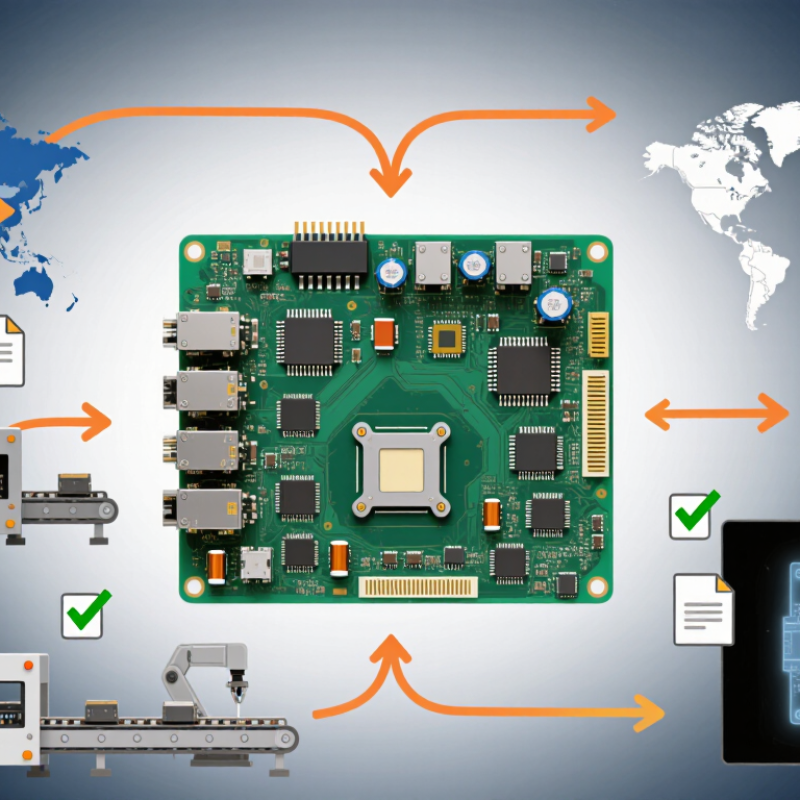
What PCB Assembly Manufacturers Do and Why Global Buyers Need Them
A PCB assembly manufacturer turns a bare circuit board into a tested electronic assembly. Its work includes component sourcing, solder paste printing, pick-and-place placement, reflow soldering, and inspection. At a capable factory, engineers review Gerber files and the bill of materials before production begins. They check pad sizes, component spacing, polarity marks, and parts that may become unavailable. Small errors matter. A reversed diode can stop an entire product.
Global buyers need this support because design files rarely explain every manufacturing risk. An experienced partner can suggest design-for-manufacturing changes before tooling and materials are committed. Typical controls include solder-paste inspection, automated optical inspection, X-ray checks, and functional testing. Production records should connect each board with material lots, inspection results, and rework notes. This traceability helps buyers investigate failures across countries and production batches. Clear documentation also supports shipping, quality, and destination-market requirements.
Reliable assembly is not only about speed or a low quotation. It depends on calibrated equipment, trained operators, stable processes, and honest communication when defects appear. A pilot run can expose uneven solder, connector-fit issues, or a weak test fixture before volume production. A perfect first article is not proof of permanent control. Processes drift. Buyers should review corrective-action reports, sampling plans, capacity evidence, and escalation contacts. Suppliers may still miss a detail, so specifications should be written plainly and checked against physical samples.
Leading PCB Assembly Manufacturers by Region and Market Focus
Global buyers should evaluate PCB assembly manufacturers by regional capability, not headline capacity.
Asia-Pacific remains the volume center for consumer, telecom, and industrial electronics. The World Semiconductor Trade Statistics forecast semiconductor sales growth of 11.2% in 2025 and 8.5% in 2026, supporting continued assembly demand.
Asia-Pacific manufacturers often provide dense SMT lines, fast tooling, and competitive pricing. Ask for evidence of 01005 placement, automated optical inspection, and stable component sourcing.
European partners usually suit automotive, energy, and industrial controls, where functional testing and process traceability matter more than speed. North American facilities can offer closer support for aerospace, medical, and defense-related electronics, including documented quality systems and shorter communication cycles.
Regional fit matters.
IPC’s 2024 electronics manufacturing data highlights persistent pressure from labor costs, component shortages, and supply-chain volatility. A capable supplier should show recent yield data, corrective-action records, and clear production-transfer procedures. ISO 9001 alone is not enough. I would also check first-pass yield, inspection coverage, and sample-to-mass-production timing.
This is imperfect.
A practical 2026 shortlist may include one high-volume Asian facility, one compliance-focused European facility, and one customer-service-oriented North American facility. Yet location does not guarantee reliability. Factory visits, reference checks, and pilot orders still reveal weaknesses that brochures hide.
Capabilities, Certifications, and Technologies to Compare
For global buyers, PCB assembly capability should be measured beyond monthly output. WSTS projected worldwide semiconductor sales at about $687 billion in 2025, an 11.2% annual increase. That pressure can expose weak sourcing plans. Ask whether a factory supports fine-pitch BGA, microvia HDI, rigid-flex construction, and automated optical inspection. A practical audit should also review feeder changeover time, traceability records, and first-pass yield.
Certifications reveal process discipline, but certificates alone are not proof. ISO 9001 supports controlled quality systems, while IATF 16949 suits automotive programs. ISO 13485 matters for medical electronics. Verify the certificate scope, audit date, and actual production site. IPC’s electronics industry surveys continue to highlight labor, material availability, and delivery stability as major manufacturing concerns. Therefore, compare approved vendor lists, component authentication controls, and documented recovery plans.
Technology selection needs evidence. Look for SPI before placement, AOI after reflow, automated X-ray for hidden solder joints, and flying-probe or bed-of-nails testing. Ask for sample inspection images. Ask again.
A manufacturer may claim high reliability yet provide limited field-return data. That gap deserves attention. Temperature cycling, humidity testing, and solder-joint cross-section analysis can expose weaknesses before shipment. Still, every program has trade-offs. More inspection can improve confidence, but it can also increase lead time and cost. Buyers should compare capability matrices against product risk, not collect certifications like decorations.
How to Select the Right PCB Assembly Partner for Your Project
Selecting the right PCB assembly partner begins with evidence, not attractive promises. A low quote may hide tooling, inspection, or shipping costs. Ask for a clear cost breakdown and realistic production timeline. Review their experience with your board’s layer count, component density, and expected volume. Request sample records, process photographs, and references from similar projects. See it working.
Technical capability matters at every stage. Confirm whether the facility performs automated optical inspection, X-ray inspection, solder paste measurement, and functional testing. Ask how it controls moisture-sensitive components and tracks lot numbers. For fine-pitch packages, examine placement accuracy and rework procedures. Their quality system should align with recognized IPC requirements and relevant management certifications. A certificate alone proves little.
Communication often decides whether a project stays on schedule. Choose a partner who answers engineering questions with specific data, not vague reassurance. Set rules for engineering change notices, approved substitutes, and failure reporting before production begins. Discuss prototype quantities, capacity during peak seasons, packaging, and delivery terms. I have learned that a polished audit report can still hide weak daily discipline. One missed inspection step can damage an entire batch. Leave room for honest review.