What Are the Benefits of Using Multi Circuit Boards?
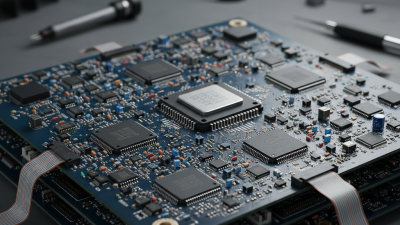
Multi circuit boards have become a cornerstone in modern electronics. They enable the integration of multiple circuits within a single board. According to Dr. Linda Gray, an expert in PCB technology, “Multi circuit boards allow for more compact designs without sacrificing performance.” This efficiency is crucial as devices continue to shrink in size.
The benefits of using multi circuit boards are manifold. They reduce the overall weight of devices and can enhance signal integrity. Furthermore, they can simplify assembly and manufacturing processes. This leads to cost savings for businesses aiming to produce high-quality electronics. Yet, the design and production process is not without challenges. Engineers must ensure that the components are optimally placed to prevent issues like signal interference.
Understanding multi circuit boards also requires awareness of their limitations. Not every project necessitates their use, and designing them can be complex. Careful consideration of layout and material is essential. In the rapidly evolving electronics landscape, the need for innovation must be balanced with practical considerations. Multi circuit boards stand as a testament to this ongoing journey in electronics engineering.
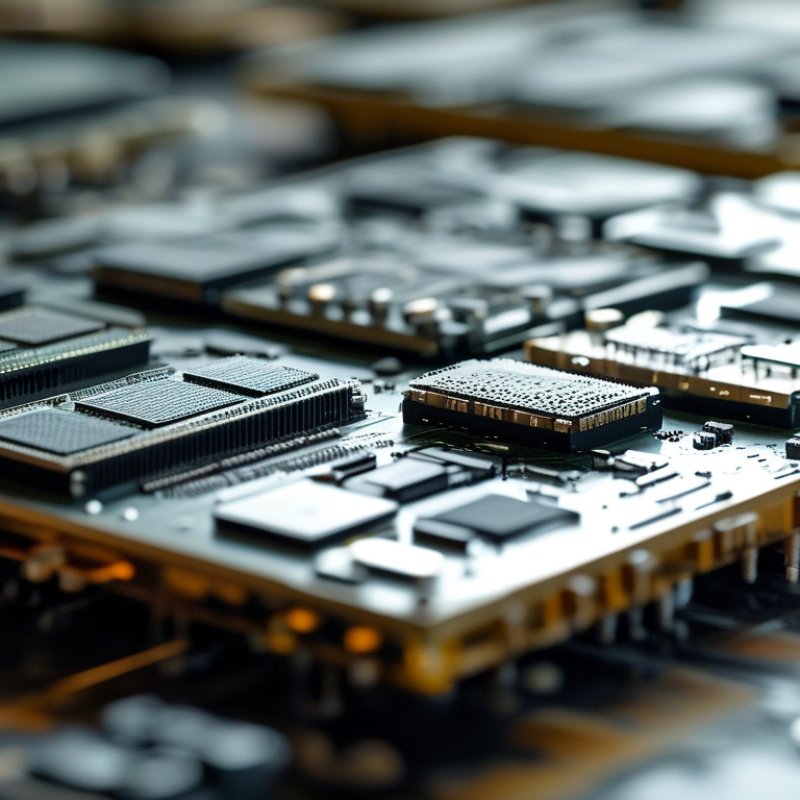
Understanding Multi Circuit Boards and Their Functionality
Multi circuit boards are an advanced solution for modern electronics. They allow multiple circuits to be integrated into one compact unit. This design enhances functionality while saving space in applications like smartphones, drones, and medical devices. Simplifying the layout helps reduce potential connection errors and improves performance.
These boards can support various components, including resistors, capacitors, and integrated circuits. By distributing power and signals efficiently, they help maintain stable performance. Manufacturers often find them useful in minimizing signal interference. However, the complexity of multi circuit boards can pose challenges in design and production. Skilled engineers are crucial for overcoming these hurdles.
Despite their benefits, multi circuit boards do have drawbacks. The initial design process can be time-consuming. Failures can occur if not properly executed. Engineers must ensure quality control throughout the manufacturing phase. This ongoing need for attention to detail highlights the importance of experience in the field. Balancing innovation and reliability remains a challenge in the evolution of electronic design.
Key Advantages of Multi Circuit Boards in Electronics Design
Multi Circuit Boards (MCBs) have revolutionized electronics design, offering several key advantages. One notable benefit is their ability to minimize space constraints. According to a report from IPC, using MCBs can reduce board space by up to 40%. This creates opportunities for more compact designs, which is critical in today's consumer electronics market where size matters.
Additionally, MCBs can enhance performance through improved thermal management. The integration of multiple circuits allows for better heat distribution, leading to increased reliability. A study conducted by the International Electrotechnical Commission (IEC) indicates that more efficient thermal handling can extend the lifespan of electronic components by 30%. This factor is crucial for high-performance applications, such as in automotive electronics or telecommunications.
Manufacturing efficiency is another area where MCBs shine. They can be produced using advanced automation techniques, which significantly reduces production costs. However, transitioning to MCBs may require re-evaluating existing design processes. Not all designs benefit equally from this shift. Potential challenges include the need for specialized design knowledge and tools, which could increase initial setup times. Balancing these aspects is essential for maximizing the advantages offered by multi circuit boards in electronics design.
Improved Space Efficiency with Multi Circuit Boards
The use of multi circuit boards significantly enhances space efficiency, a crucial factor in modern electronics. According to an industry report by IPC, traditional single-layer boards can waste up to 30% of space when compared to multi circuit designs. This optimization allows manufacturers to pack more functionality into smaller devices, addressing increasing consumer demand for compact technology.
Designing with multi circuit boards can reduce weight and material costs too. By minimizing the footprint of each circuit, engineers can create slimmer devices without sacrificing performance. This is particularly beneficial for industries like aerospace and medical devices where weight constraints are critical. Some companies achieving this have reported a reduction in production costs by nearly 20%, highlighting the economic advantages.
When transitioning to multi circuit designs, consider layout intricacies carefully. Efficient routing is essential to get the most out of your space. Regularly review circuit paths and component placements to avoid overcrowding. Ensure that airflow is maintained, especially in high-heat environments.
Balancing performance with compactness requires proactive measures and thoughtful designs.
Benefits of Using Multi Circuit Boards
| Benefit |
Description |
Impact |
| Space Efficiency |
Allows for more components to be placed in a smaller area, freeing up space. |
Increased device compactness and portability. |
| Reduced Weight |
Weight is minimized since fewer physical boards are needed. |
Improved handling and reduced transportation costs. |
| Cost Efficiency |
Lower production costs as fewer materials and steps are required. |
Enhanced profitability and competitive pricing. |
| Improved Reliability |
Fewer solder joints reduce failure points in connections. |
Higher product lifetime and customer satisfaction. |
| Simplified Assembly |
Easier assembly process with fewer boards to connect together. |
Reduced assembly time and labor costs. |
Cost-Effectiveness of Multi Circuit Boards in Manufacturing
The cost-effectiveness of multi circuit boards (MCBs) is evident in modern manufacturing. MCBs combine multiple circuits into a single board. This design reduces material costs and minimizes production wastage. According to a recent industry report, companies can cut their PCB production costs by up to 30% when using MCBs. Such savings can be crucial for budget-sensitive projects.
Moreover, MCBs simplify design and assembly processes. This leads to lower labor costs and shorter manufacturing times. A study published by the Circuit Industry Association indicated that manufacturers can save an average of 20% on assembly labor by adopting MCB technology. However, transitioning to MCBs requires upfront investment in training and equipment.
Despite these challenges, the long-term savings can outweigh the initial costs. Companies must also consider the environmental impact. MCBs lead to less waste, which aligns with sustainability goals. Yet, this shift may require a cultural change within organizations that are used to traditional PCBs. Embracing MCBs can yield significant benefits, but firms need to weigh both the potential and the hurdles.
Enhanced Performance and Reliability of Multi Circuit Boards
Multi circuit boards offer enhanced performance and reliability in modern electronic devices. Their ability to integrate multiple layers helps optimize space without sacrificing functionality. More components can fit into a compact design, improving overall efficiency. This compactness is critical for today’s portable and lightweight devices.
The reliability of multi circuit boards stems from their design. With improved thermal management and fewer points of failure, they reduce the chances of overheating and malfunction. This is particularly beneficial in high-demand environments, where performance is crucial. Engineers often face challenges while ensuring that these boards maintain high quality. Addressing manufacturing inconsistencies can be tough, yet these boards often adapt well under various conditions.
Experience indicates that multi circuit boards can lead to better signal integrity. As electronic devices become more complex, maintaining signal quality becomes increasingly challenging. Properly designed multi circuit boards minimize interference and noise, contributing to clearer communication within the device. However, achieving this requires meticulous planning and engineering expertise. Each step in the design process plays a vital role in the final product's dependability.
Benefits of Using Multi Circuit Boards
This bar chart illustrates the various benefits of using multi circuit boards, highlighting areas such as enhanced performance and increased reliability as significant advantages in modern electronic designs.