10 Best Suppliers of Multi Circuit Boards for Global Buyers

10 Best Suppliers of Multi Circuit Boards for Global Buyers

Choosing a supplier for multi circuit boards involves more than comparing quoted prices. Global buyers need to assess engineering support, production capacity, inspection practices, and shipping reliability. A board that looks right on a screen may still fail when its layer stack, copper weight, or drilling tolerances do not match the design.

This guide introduces ten suppliers for buyers evaluating different project needs, from prototype runs to larger production orders. It highlights practical questions to ask: Can the supplier review Gerber files? Are material specifications clearly documented? What inspection reports accompany a shipment? Concrete details matter. A clear lead-time estimate and a sample test report can be more useful than broad claims about quality.

There is no single best supplier for every application. Some companies may suit fast-turn prototypes, while others offer stronger support for complex builds or repeat manufacturing. Capabilities and service levels can also vary by facility, order size, and current workload. That part is easy to overlook. Treat this list as a starting point, then verify certifications, technical limits, pricing terms, and delivery estimates directly with each supplier. A careful comparison takes time, and the available information may not answer every question. That is worth acknowledging before making a decision.

10 Best Suppliers of Multi Circuit Boards for Global Buyers

Understanding Multi Circuit Boards and Their Global Applications

Multi-circuit boards bring several electrical functions together on one printed circuit board. They may use separate conductive layers, carefully routed traces, or both, depending on the design. This arrangement can reduce wiring and fit complex electronics into a compact enclosure. It also makes planning more demanding: signal paths, power delivery, heat, and electromagnetic interference can affect one another. Small spaces matter.

Their uses span industrial control, telecommunications, vehicle electronics, renewable-energy equipment, and consumer devices. A factory controller, for example, may combine sensor inputs, processing, and motor-control circuits. A communications unit might need controlled-impedance traces to carry high-speed signals reliably. These examples are not interchangeable; each application calls for its own board stackup, materials, connector layout, and verification tests. In practice, the neat diagram rarely tells the whole story.

For global applications, suppliers and designers need to account for operating temperature, vibration, expected production volume, and available assembly processes. A board destined for a warm outdoor cabinet may need different thermal management from one inside a handheld device. Clear fabrication notes and consistent inspection criteria help reduce misunderstandings across production sites. Yet a board can still look efficient on screen and run hotter than expected. Prototype testing often reveals details that drawings miss.

Key Criteria for Evaluating Multi Circuit Board Suppliers

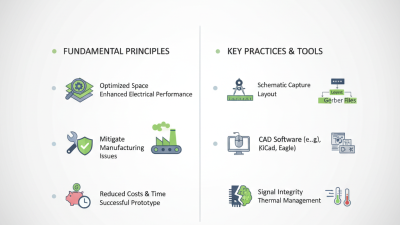
When evaluating multi circuit board suppliers, look beyond the quoted unit price. Ask whether engineers review your stack-up, copper weight, material choice, and impedance requirements before production. A useful supplier flags conflicts early, such as a tight bend radius near a dense component area. Small details matter.

Request sample inspection records and clear acceptance criteria for dimensions, drilling, plating, and solder mask. Ask how the supplier tracks defects across prototype and production batches. A test report is more useful when it identifies the tested board, method, and result. Ask for evidence. Also check whether the supplier can explain its process in plain language, not only provide certificates.

Lead time should include engineering review, fabrication, inspection, and shipping—not just the factory estimate. Confirm how design changes are documented and who approves them. For global buyers, discuss packaging, traceability, and communication across time zones. A capable supplier may still make mistakes; what matters is whether problems are reported promptly and corrective actions are specific. I would not judge reliability from one flawless sample alone. Compare repeat orders, too.

10 Leading Multi Circuit Board Suppliers for Global Buyers

Choosing among 10 leading multi circuit board suppliers takes more than comparing unit prices. Buyers should examine layer-count capability, minimum trace width, copper thickness, and proven experience with their product’s operating conditions. A dense control board may need precise impedance control, while a power board needs careful thermal design. Ask suppliers for cross-section samples and inspection records. Small details matter.

Grand View Research estimated the global printed circuit board market at about USD 76.2 billion in 2023, reflecting broad demand across electronics applications. This figure covers the wider PCB market, not multi circuit boards alone. Still, it signals why buyers should verify capacity and lead times, rather than assume a supplier can absorb every order. Request documented process controls, material traceability, and clear procedures for handling design changes. IPC standards can help buyers discuss workmanship and acceptance criteria using shared technical language.

For global sourcing, compare shipping options, communication practices, and engineering support alongside price. Ask how the supplier manages panelization, testing, and corrective action when a sample fails. A neat scorecard can still miss an awkward detail: response speed during a real production issue. That deserves a direct conversation. Avoid treating one successful prototype as proof of stable volume production; pilot lots can reveal variation that a polished sample hides.

Comparing Supplier Capabilities, Certifications, and Delivery Options

For global buyers, comparing multi-circuit board suppliers means checking capability, quality controls, and delivery terms together. A low quote can hide extra tooling costs or long transit times. The World Semiconductor Trade Statistics (WSTS) Autumn 2024 forecast projected semiconductor sales of $626 billion in 2024, a 19% increase. That growth adds pressure to electronics supply chains, though it does not predict any one board supplier’s lead time.

Request a sample stack-up, impedance report, and details on layer count, copper weight, minimum drill size, and testing. IPC-6012 and IPC-A-600 provide useful references for rigid-board qualification and acceptability. ISO 9001 certification can indicate documented quality processes; sector-specific requirements may call for additional standards. A certificate is useful, but it does not prove every production lot is consistent. Ask for recent yield figures and corrective-action records. Some suppliers may hesitate to share them.

Delivery comparisons need equal detail. Ask whether quoted lead times cover fabrication only or include assembly, inspection, and shipping. Confirm the shipping method, packaging, export documents, and who handles customs clearance. Request separate standard and expedited schedules, plus a named contact for delays. Then compare a pilot order against the promised dates. Small gaps in assumptions can become expensive. Do not treat a calendar estimate as a guarantee.

Steps for Selecting and Qualifying an International Supplier

Define the board’s technical and commercial requirements before comparing international suppliers. Specify layer count, material, copper weight, finished thickness, tolerances, and expected order volume. Include fabrication notes and representative files, with sensitive design details shared only through appropriate channels. Ask each supplier to explain its process for design review, engineering questions, and revision control.

Request recent examples of inspection records, electrical test reports, and nonconformance handling. Check whether the listed equipment and production capacity match your board’s complexity and schedule. Small details matter. A polished certificate alone cannot show how consistently a factory controls production. Confirm who will respond to technical questions, in what time zone, and how quickly changes are documented.

Assess communication as carefully as price. During an audit, ask how the supplier traces material lots and separates revised files from obsolete ones. A scorecard may miss a confusing handoff. That is worth discussing. Before committing to volume, order a small pilot batch and compare measured dimensions, solder mask registration, and test results against your acceptance criteria. Record discrepancies, agree on corrective actions, and verify the next sample rather than relying on assurances.