Top PCB Fabrication Companies for Global Buyers

Top PCB Fabrication Companies for Global Buyers

Choosing among top PCB fabrication companies requires more than comparing prices or browsing polished websites. Global buyers need evidence of repeatable quality, practical engineering support, and dependable delivery across borders. A capable supplier should explain its layer-count limits, minimum trace and spacing rules, copper weights, impedance-control process, and accepted file formats. It should also provide clear inspection records, material traceability, and realistic production timelines.

Mike Buetow, a respected PCB industry analyst and editor, offers a useful reminder: “The best supplier is the one that can repeatedly build what you designed.” That principle guides this overview of international pcb fabrication providers. Strong manufacturers usually combine experienced process engineers, automated optical inspection, electrical testing, and disciplined change control. Certifications such as ISO 9001, IATF 16949, or IPC-based production practices can support confidence, but certificates alone prove little. Ask for recent references.

Details matter.

A supplier may advertise fast prototypes yet struggle with controlled-impedance multilayer boards. Another may offer competitive volume pricing but lack strong documentation for export projects. Buyers should compare engineering communication, sample quality, packaging, warranty procedures, and support across time zones. A short video tour can reveal more than a sales brochure: clean drill rooms, labeled material racks, and documented inspection stations are encouraging signs.

No ranking is perfect. Supplier performance can change with capacity, staffing, and material availability. Therefore, this guide should support careful evaluation, not replace technical audits or pilot orders. The most reliable decision balances capability, transparency, risk, and total delivered cost.

Top PCB Fabrication Companies for Global Buyers

PCB Fabrication Requirements for Global Buyers

Top PCB Fabrication Companies for Global Buyers

Global buyers should define PCB fabrication requirements before comparing suppliers. Provide Gerber files, drill data, stackup drawings, and assembly notes. Specify layer count, board thickness, copper weight, surface finish, and impedance targets. Small details matter.

A controlled manufacturing process should include design-for-manufacturing review, incoming material checks, automated optical inspection, and electrical testing. Ask for material certificates, dimensional reports, and batch traceability. For high-speed boards, request impedance coupons and cross-section analysis. For safety-related products, verify applicable environmental and product compliance documents, including restricted-substance requirements and regional certification needs.

Production capacity also deserves careful review. Confirm minimum trace and spacing, hole tolerances, panel dimensions, and expected yield. A reliable fabricator should explain limitations before accepting an order. Clear communication helps when time zones and technical terminology create friction. Written approval records reduce costly misunderstandings.

Packaging must protect boards from moisture, dust, and edge damage during international transport. Confirm labeling, customs documents, shipping terms, and delivery schedules. A low quotation can hide testing gaps or rework costs. That deserves scrutiny. Even a detailed checklist may miss an unusual connector footprint or a tight bend requirement. Engineers should review the first article, measure critical features, and document corrections before volume production. Practical experience often reveals weaknesses that specifications overlook.

Key Capabilities That Distinguish Leading PCB Manufacturers

Leading PCB manufacturers distinguish themselves through disciplined engineering, not impressive claims alone. They support common rigid, flexible, and rigid-flex designs with controlled material selection. Their teams review stackups, copper weights, drill sizes, and thermal requirements before production. This early review can prevent expensive layout changes later. Clear design-for-manufacturing feedback also helps global buyers reduce avoidable delays.

Reliable fabrication depends on process control at every stage. Advanced facilities monitor line width, plating thickness, solder mask alignment, and impedance values. Automated optical inspection can identify defects, while electrical testing checks continuity and isolation. For complex boards, X-ray inspection may reveal hidden solder or via problems. Lot numbers, material certificates, and inspection records should remain traceable.

Communication is another practical capability. Experienced suppliers provide realistic lead times, technical drawings, and documented change control. They explain production risks instead of hiding them behind confident language. No factory gets every build right. Even a strong manufacturer may need to improve response speed or clarify a test report. Buyers should examine sample data, audit procedures, and corrective-action records before trusting a capability list. A dependable partner connects engineering decisions with consistent production results.

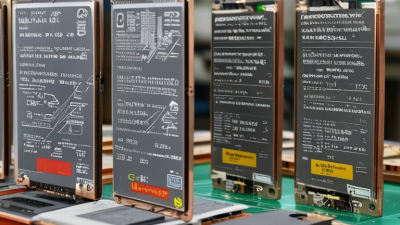
Leading PCB manufacturers are typically distinguished by strong HDI and microvia processing, reliable impedance control, comprehensive inspection systems, high-layer-count production, rigid-flex integration, and rapid prototyping support. The benchmark scores reflect the relative importance and technical maturity commonly evaluated by global PCB buyers rather than company-specific results.

Top PCB Fabrication Companies by Region and Specialization

Top PCB Fabrication Companies by Region and Specialization

Regional capability matters more than a simple supplier ranking. According to Prismark’s 2024 PCB market review, Asia remains the dominant production base, especially for high-volume rigid boards. China and Taiwan support dense supplier networks, while Japan remains strong in high-reliability and advanced substrate production. South Korea also performs well in memory-related and high-density interconnect applications. These regions offer mature materials, skilled engineering teams, and shorter component supply chains.

Europe and North America serve different priorities. Industry reports from IPC show continued investment in regional electronics capacity, driven by automotive, aerospace, medical, and defense requirements. North American fabricators often emphasize traceability, quick-turn prototypes, and complex multilayer boards. European facilities frequently focus on automotive qualification, industrial controls, and environmental compliance. For flexible circuits, rigid-flex boards, or metal-core designs, buyers should verify actual production experience rather than trust broad capability lists.

Ask for recent process data. This includes layer counts, controlled impedance results, drill accuracy, and defect rates. Certifications matter, but they do not replace factory evidence. A supplier may hold the right certificate and still struggle with your copper thickness or surface finish. That gap is easy to miss. The regional comparison is useful, yet imperfect, because published market data often groups very different board types together. Request sample panels, audit records, and application references before selecting a fabrication partner.

How to Compare PCB Suppliers on Quality, Cost, and Delivery

Comparing PCB suppliers starts with evidence, not polished presentations. Request first-article samples, cross-section images, and test records for the exact layer count. IPC-A-600 and IPC-6012 provide useful acceptance and qualification references. They cover plating, solderability, conductor spacing, and board cleanliness. Ask how defects are recorded and corrected. A supplier promising zero defects deserves careful questions.

Cost needs a wider lens. The 2024 Grand View Research report valued the global PCB market at about 89.7 billion dollars in 2023. Rising demand can increase material costs and factory loading. Compare identical specifications, including copper weight, surface finish, tooling, testing, packaging, and freight. A low quotation may exclude inspection or engineering changes. That is not always a bargain. Build a landed-cost sheet before selecting capacity.

Delivery is more than a production promise. The World Bank’s 2023 Logistics Performance Index evaluated 139 economies through customs, infrastructure, tracking, and timeliness. Use those factors when reviewing a supplier’s location and shipping plan. Request a capacity calendar, holiday schedule, approved backup materials, and escalation contacts. Measure quoted lead time against recent shipment records. In practical sourcing reviews, the weakest detail is often the most important: how the supplier handles a failed test. Some comparisons also overvalue price and underestimate communication delays. That mistake deserves another look.

A Step-by-Step Guide to Selecting an International PCB Partner

Top PCB Fabrication Companies for Global Buyers

A Step-by-Step Guide to Selecting an International PCB Partner

Choosing an international PCB partner starts with your design, not a sales promise. Define layer count, board dimensions, material grade, copper weight, impedance needs, and monthly volume. Include assembly requirements if components will be placed overseas. A clear specification prevents expensive misunderstandings.

Review technical capability with evidence. Ask for process certifications, inspection records, traceability procedures, and sample test reports. Check whether the factory supports prototype quantities and stable production runs. Confirm tolerances for hole size, plating thickness, solder mask, and surface finish. Request a sample board before approving a large order. It may reveal issues that polished presentations hide.

Communication deserves equal attention. Ask how engineering questions are logged, answered, and escalated across time zones. Confirm lead times for fabrication, testing, packaging, and customs documents. A reliable partner should explain corrective actions when defects occur, rather than blaming the design immediately. Still, buyers must review their own files carefully. I have seen schedule problems begin with one unclear drawing note. That mistake is easy to repeat.

Compare total cost, not only the quoted unit price. Include tooling, testing, freight, taxes, rejected units, and inventory risk. Check packaging details, moisture protection, labeling, and shipment tracking. A supplier may appear inexpensive until urgent replacements are needed. Begin with a controlled pilot order, measure actual yield, and keep written records for every revision. Small details matter.