What is PCB Design and Why Does It Matter for Your Business?
PCB design is a fundamental aspect of electronics, impacting everything from prototype development to mass production. According to a recent industry report by *MarketsandMarkets*, the global PCB market is projected to reach $85 billion by 2025, driven by rising demand in sectors like automotive, healthcare, and consumer electronics. This growth highlights the critical importance of quality PCB design in maintaining a competitive edge.
Expert insights reinforce this view. Dr. Emily Chen, a leading authority in PCB technology, emphasizes, "Effective PCB design is the backbone of any electronic device. It can make or break your product’s success." Her perspective underscores how intricate and strategic PCB design directly influences a company's innovation and profitability.
However, many enterprises overlook the complexities of PCB design. They may not grasp its significance until faced with production delays or performance issues. This oversight can lead to costly outcomes. Emphasizing experienced design practices is essential for sustained success. Acknowledging these challenges can foster a more robust approach to developing reliable electronics products.

Understanding PCB Design: Definition and Importance
PCB design is a crucial aspect of modern electronics. It involves creating the layout for printed circuit boards that connect various electronic components. According to a report by Research and Markets, the PCB market is projected to reach $80 billion by 2026, emphasizing its growing relevance. Efficient PCB design directly influences product performance, reliability, and time to market.
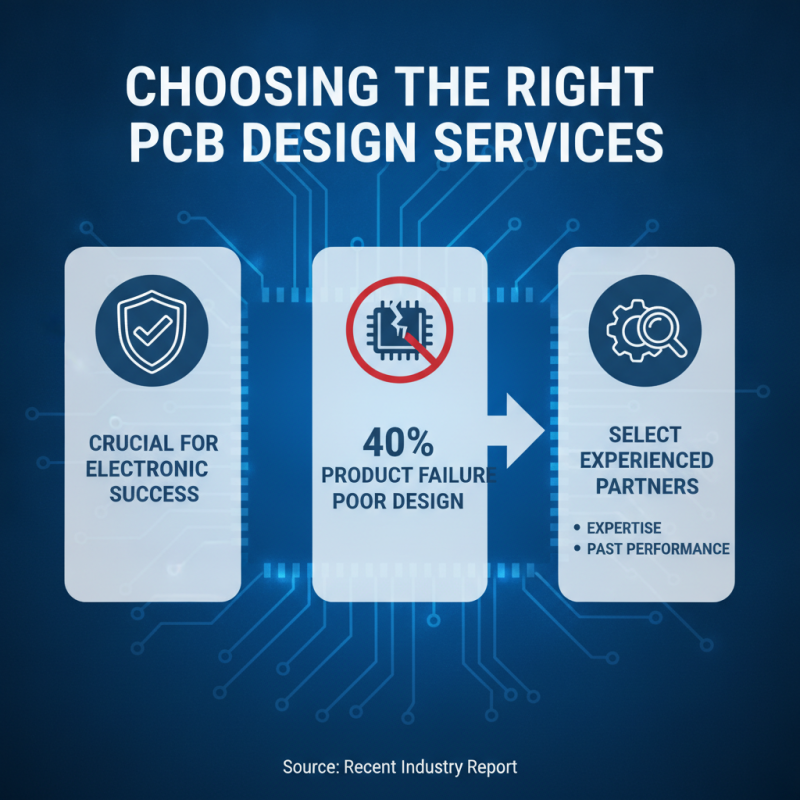
Quality PCB design reduces manufacturing errors. A poorly designed PCB can lead to costly mistakes, impacting production timelines and budgets. In fact, studies have shown that design issues account for nearly 30% of the total manufacturing costs in electronics. For businesses, this means a solid design process can dramatically enhance their bottom line.
However, many companies struggle with PCB design due to a lack of experience or resources. Over 40% of engineers report issues with collaboration during the design process. This highlights a gap that businesses must address. Investing in training or software tools can bridge this gap, ensuring more reliable and efficient designs that meet market demands.
Importance of PCB Design for Business Growth
This chart illustrates the significance of various factors in PCB design that contribute to business success. Ratings are based on importance from 1 to 10, highlighting how aspects like cost efficiency and time to market play critical roles in enhancing product competitiveness.
Key Components and Functions of a PCB
A printed circuit board (PCB) is an essential component in electronic devices. It connects various electronic parts. This connection is crucial for any device's functionality. The key components of a PCB include the substrate, conductive pathways, and components like resistors and capacitors. The substrate acts like a base, providing support and insulation. Conductive pathways, often made of copper, enable electrical flow.
The functions of a PCB extend beyond simple connectivity. It helps in signal integrity, ensuring that signals travel without interference. A well-designed PCB minimizes noise and maximizes efficiency. However, designing a PCB is not always straightforward. Engineers must consider size, complexity, and heat management. Mistakes in design can lead to malfunctioning devices.
Attention to detail is paramount in PCB design. Every component must be placed accurately. Poor layout can cause issues that are difficult to troubleshoot. Balancing cost with quality also poses a challenge. A reliable PCB can significantly enhance a product's performance, making it a worthwhile investment for any business.
The PCB Design Process: Step-by-Step Overview
The PCB design process is crucial for product development in the electronics industry. According to a report by ResearchAndMarkets, the global PCB market is expected to reach $80.6 billion by 2027, showing a compound annual growth rate (CAGR) of 4.7%. This growth highlights the importance of effective PCB design, which directly impacts product performance and manufacturing efficiency.
The design process typically begins with schematic capture. Designers create a visual representation of the electronic circuit. Next, PCB layout follows. This involves placing the components on the board and routing the connections. Proper layout minimizes signal interference and optimizes space. A 2021 survey revealed that nearly 60% of engineers faced challenges in component placement and routing efficiency. This indicates a need for continuous improvement in PCB design skills.
After the layout, the design undergoes a verification phase. This ensures that all electrical and mechanical specifications are met. Despite this step, many designs still face issues in production. A study indicated that up to 20% of prototypes fail due to design errors. Consequently, thorough testing and iteration remain essential in the PCB design process, emphasizing the need for accuracy and attention to detail.
What is PCB Design and Why Does It Matter for Your Business?
| Step in PCB Design Process |
Description |
Time Estimated (Days) |
Importance |
| Concept Development |
Define project goals and specifications. |
5 |
High |
| Schematic Design |
Create the electronic circuit representation. |
7 |
High |
| PCB Layout Design |
Design the physical layout of the PCB. |
10 |
Critical |
| Prototype Testing |
Test the prototype for functionality and design errors. |
14 |
Very High |
| Final Adjustments |
Make necessary changes based on testing feedback. |
5 |
High |
| Production Preparation |
Prepare files and specifications for manufacturing. |
3 |
Essential |
| Mass Production |
Manufacture PCBs based on the finalized design. |
Variable |
Critical |
Impact of PCB Design on Product Performance and Reliability
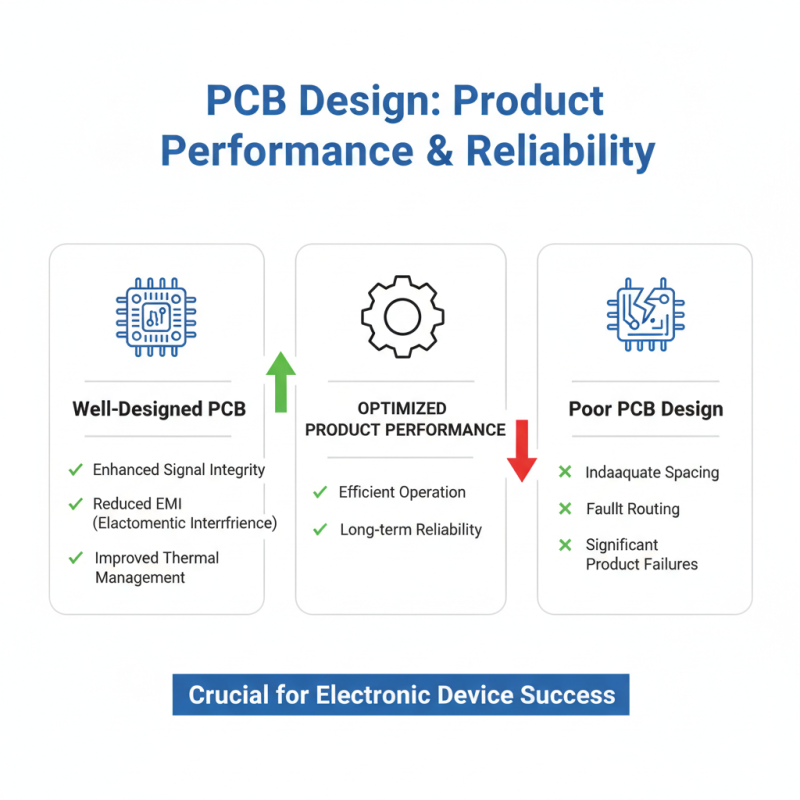
PCB design plays a crucial role in the overall performance of electronic products. A well-designed PCB can enhance signal integrity, reduce electromagnetic interference, and improve thermal management. These factors are essential for ensuring that devices operate efficiently and reliably. Poor design choices, such as inadequate spacing or routing, can lead to significant product failures.
The reliability of your product often hinges on the quality of the PCB design. A flawed design might not only affect performance but could also shorten the product's lifespan. This is particularly crucial in industries where reliability is non-negotiable, such as aerospace or medical applications. Engineers must meticulously evaluate the layout, materials, and components to avoid costly mistakes.
Balancing complexity and functionality is not easy. Sometimes, a design looks perfect on paper but fails in real-world testing. This necessitates ongoing revisions and assessments to refine the design. A focus on testing and user feedback can help identify weaknesses. By prioritizing effective PCB design, businesses can avoid pitfalls that jeopardize performance and customer satisfaction.