Choosing an advanced PCB manufacturer is not simply a matter of comparing prices. Global buyers must examine engineering depth, production consistency, certifications, and communication quality. A board may look excellent on a sample, yet fail during thermal cycling, vibration testing, or volume production. That uncomfortable gap matters.
This guide introduces ten advanced PCB manufacturers serving international markets. The comparison considers HDI capability, rigid-flex production, fine-line fabrication, controlled impedance, surface finishes, and multilayer registration. It also reviews ISO 9001, IATF 16949, AS9100, and IPC-related quality practices where relevant. These details affect aerospace systems, medical devices, automotive electronics, telecommunications equipment, and industrial controls.
John W. Mitchell, former IPC president and CEO, stated, “Standards are the language of the electronics industry.” That principle remains practical. Clear standards reduce misunderstandings between designers, fabricators, and assembly teams.
Real experience also changes the evaluation. A factory with advanced imaging equipment may still struggle with engineering response times. Another supplier may offer excellent prototypes but limited capacity for global production. No ranking is perfect. Buyer priorities differ.
The strongest manufacturers usually provide DFM feedback before fabrication, measurable process controls, material traceability, and reliable corrective-action reports. Ask for evidence. Request capability data, not impressive promises.
Small details matter. Copper thickness, via reliability, laminate selection, and solder-mask registration can influence field performance. Some buyers overlook them.
This list is designed as a practical starting point, not a final verdict. Careful audits remain necessary. Even experienced teams can miss hidden risks.
What Defines an Advanced PCB Manufacturer
An advanced PCB manufacturer is defined by control, not impressive equipment alone. It manages fine-line imaging, microvias, high-density interconnects, and rigid-flex structures with repeatable precision. IPC’s 2024 PCB industry data highlights continuing demand for higher-density boards in computing, automotive, and industrial electronics. That demand changes purchasing criteria.
A qualified supplier should provide measurable evidence. Look for controlled impedance reports, cross-section records, solderability results, and complete lot traceability. Advanced facilities usually monitor drill wear, copper thickness, registration, and surface finish through documented statistical process control. Small details matter. A 25-micrometer registration shift can affect high-speed performance. Prismark’s 2024 electronics industry analysis also identifies high-layer-count and advanced interconnection technologies as important growth areas.
Experience appears during difficult builds. Engineers should explain stack-up limits, material selection, thermal expansion, and realistic yield expectations before production starts. Certifications help, but they do not replace process evidence. A factory may hold several approvals and still communicate poorly. That is a practical warning. Global buyers should request sample reports, engineering change records, and failure-analysis procedures. They should also ask how defects are contained.
No manufacturer performs perfectly. The stronger ones disclose weaknesses early and correct them visibly. That honesty is often more valuable than polished sales language.
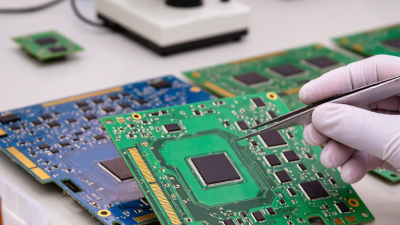
Top 10 Advanced PCB Manufacturers for Global Buyers
Key Criteria for Comparing Global PCB Suppliers
Global buyers should compare PCB suppliers through measurable production evidence, not polished presentations. Review layer capability, minimum trace width, controlled impedance, via structures, copper thickness, and board size. Advanced suppliers should support HDI, rigid-flex, high-frequency, or heavy-copper designs when required. Ask for recent sample panels. A real cross-section reveals more than a brochure.
Quality systems deserve close attention. Check certifications, incoming material controls, automated optical inspection, electrical testing, and microsection analysis. Request anonymized inspection reports and failure records. These documents show whether quality is repeatable. Confirm traceability from laminate batch to finished panel. It reduces uncertainty during audits. Still, certification alone proves little. A supplier may hold valid certificates while missing practical process discipline.
Delivery performance also matters. Compare standard lead times, prototype capacity, engineering response, and corrective-action speed. Ask how the factory handles material shortages or design changes. Review packaging methods, moisture protection, export documentation, and shipping resilience. Cost comparisons should include tooling, testing, scrap risk, and expedited freight. The lowest quotation can become expensive later. I have learned that communication gaps often create more delay than production limits. Some evaluations also overlook regional holiday schedules. That mistake is easy to make. Suppliers should explain their assumptions clearly, including tolerances, payment terms, intellectual property controls, and support after delivery.
Top 10 Advanced PCB Manufacturers for Global Buyers
Global buyers need more than a polished website when selecting advanced PCB manufacturers. Look for proven experience with HDI, rigid-flex, multilayer, and high-frequency boards. Ask for sample inspection records, impedance reports, and production photographs. These details reveal how carefully a supplier manages fine traces and stacked microvias. Strong manufacturers explain their process without hiding behind technical language. They should also provide traceability from laminate storage to final electrical testing. Certifications matter, but daily process control matters more. A certificate alone cannot repair a failed board.
Tips: Request a small pilot batch before placing a large order. Check solder mask alignment under magnification. Confirm layer counts, copper weight, tolerances, and testing methods in writing. Discuss shipping protection, documentation, and response times before production begins.
Reliable suppliers communicate clearly when designs need adjustment. Their engineering teams may suggest wider spacing, better thermal paths, or stronger via structures. That practical feedback can prevent expensive rework. Still, no manufacturer is perfect. A checklist may miss a weak handoff between engineering and purchasing. Buyers should review revision control, change approvals, and corrective-action reports. Visit the facility when possible, or arrange a live production audit. Examine cleanroom discipline, equipment maintenance, and operator training. Global projects also require realistic lead times and clear export documentation. Fast promises can be tempting. They can also signal risk. Choose a partner that admits limitations and improves after mistakes.
| Rank | Anonymous Manufacturer Profile | Primary Production Region | Core PCB Types | Typical Layer Capability | Advanced Technology | Quality Certifications | Best-Fit Applications |
|---|---|---|---|---|---|---|---|
| 1 | Profile A | East Asia | Rigid, HDI, flexible, rigid-flex | Up to 40 layers | Fine-line HDI and sequential build-up | ISO 9001, ISO 14001, IATF 16949 | Automotive, networking, industrial controls |
| 2 | Profile B | Southeast Asia | Rigid multilayer, HDI, metal-core | Up to 32 layers | High-density interconnect and thermal management | ISO 9001, ISO 13485, UL | Medical equipment, telecom, power electronics |
| 3 | Profile C | North America | Rigid, high-reliability multilayer, RF | Up to 30 layers | Controlled-impedance and RF/microwave fabrication | AS9100, ISO 9001, IPC Class 3 | Aerospace, defense, test equipment |
| 4 | Profile D | Western Europe | Rigid, flex, rigid-flex, HDI | Up to 26 layers | Microvias, embedded components, low-loss materials | ISO 9001, ISO 14001, IATF 16949 | Automotive, factory automation, energy systems |
| 5 | Profile E | East Asia | HDI, rigid-flex, semiconductor substrates | Up to 28 layers | Sub-100-micron laser microvia processing | ISO 9001, ISO 14001, ISO 45001 | Mobile devices, computing, compact electronics |
| 6 | Profile F | Southeast Asia | Rigid multilayer, flex, metal-backed | Up to 24 layers | High-current copper and thermal dissipation structures | ISO 9001, IATF 16949, UL | Electric vehicles, chargers, industrial power |
| 7 | Profile G | Central Europe | Rigid, HDI, RF, high-frequency | Up to 20 layers | Low-loss laminates and impedance control | ISO 9001, ISO 14001, IATF 16949 | Radar, sensors, industrial communications |
| 8 | Profile H | East Asia | Flexible, rigid-flex, HDI | Up to 18 layers | Fine-pitch flex circuits and dynamic-bend designs | ISO 9001, ISO 13485, UL | Wearables, medical instruments, cameras |
| 9 | Profile I | North America | Rigid, quick-turn prototypes, multilayer | Up to 16 layers | Rapid prototyping and engineering support | ISO 9001, UL, IPC Class 2/3 | R&D, aerospace prototypes, industrial electronics |
| 10 | Profile J | Southeast Asia | Rigid, multilayer, aluminum-backed | Up to 14 layers | Lead-free assembly compatibility and thermal PCBs | ISO 9001, ISO 14001, UL | LED lighting, consumer electronics, appliances |
Top 10 Advanced PCB Manufacturers for Global Buyers
Manufacturing Capabilities and Industry Applications
Advanced PCB manufacturers are evaluated by more than production volume. In supplier audits, I examine stackup control, drilling accuracy, copper distribution, and traceability. High-density interconnect lines require laser microvias, fine-line imaging, and dependable sequential lamination. Rigid-flex production adds bending tests and precise adhesive control. Quick prototypes matter, but repeatable mass production matters more. A polished sample can hide weak process discipline. That detail deserves attention.
Automotive electronics demand thermal cycling, vibration resistance, and stable impedance. Aerospace programs usually require documented materials, controlled changes, and strong inspection records. Medical devices need clean production areas, dependable solderability, and lot-level traceability. Telecom equipment benefits from low-loss laminates, back drilling, and high-layer-count registration. Industrial controls often prioritize long service life over the lowest quotation. Every application changes the ideal manufacturer.
For global buyers, I compare capability against evidence. Useful evidence includes cross-section reports, first-article data, test coverage, and corrective-action history. Certifications such as ISO 9001, IATF 16949, AS9100, or ISO 13485 can support confidence, but certificates alone prove little. Ask about AOI, flying-probe testing, electrical testing, and impedance coupons. Also check engineering response time and export packaging. Some factories communicate well yet struggle with engineering changes. Others own excellent equipment but provide unclear documentation. Supplier selection remains a technical judgment, not a ranking exercise.
Choosing a PCB manufacturer starts with your board’s real operating demands, not a polished website. Define layer count, copper weight, impedance targets, board size, materials, and annual volume. A supplier experienced in high-speed designs should provide controlled-impedance data and test methods. For rigid-flex or heavy-copper boards, request recent, comparable production records. Specific evidence matters more than broad capability lists. Request sample cross-sections, inspection images, and anonymized test reports. Keep it practical.
Evaluate process control across design review, fabrication, assembly, and shipment. Confirm how engineers handle stack-up changes, solder-mask registration, via reliability, and component substitutions. Ask which automated optical inspection, electrical testing, and cleanliness checks are used. A dependable factory will explain acceptance criteria before quoting. It should also identify risks, such as resin starvation near dense vias or thermal stress during lead-free reflow. Review traceability for laminate lots, operators, and test results. This supports consistent quality when orders scale.
Communication is a technical capability. Compare response times, engineering ownership, escalation paths, and documentation quality during a pilot order. Check capacity claims against equipment lists, staffing, maintenance records, and realistic lead times. A low price can hide rework, freight delays, or weak field support. I have seen projects fail because the first sample passed while process variation was ignored. That lesson deserves attention. Use a staged qualification plan with checkpoints for prototypes, pilot lots, and volume production. Reassess the supplier after every major design change.
| Cookie | Duration | Description |
|---|---|---|
| cookielawinfo-checkbox-analytics | 11 months | This cookie is set by GDPR Cookie Consent plugin. The cookie is used to store the user consent for the cookies in the category "Analytics". |
| cookielawinfo-checkbox-functional | 11 months | The cookie is set by GDPR cookie consent to record the user consent for the cookies in the category "Functional". |
| cookielawinfo-checkbox-necessary | 11 months | This cookie is set by GDPR Cookie Consent plugin. The cookies is used to store the user consent for the cookies in the category "Necessary". |
| cookielawinfo-checkbox-others | 11 months | This cookie is set by GDPR Cookie Consent plugin. The cookie is used to store the user consent for the cookies in the category "Other. |
| cookielawinfo-checkbox-performance | 11 months | This cookie is set by GDPR Cookie Consent plugin. The cookie is used to store the user consent for the cookies in the category "Performance". |
| viewed_cookie_policy | 11 months | The cookie is set by the GDPR Cookie Consent plugin and is used to store whether or not user has consented to the use of cookies. It does not store any personal data. |