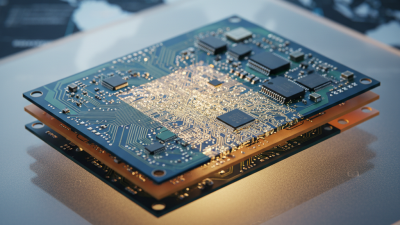
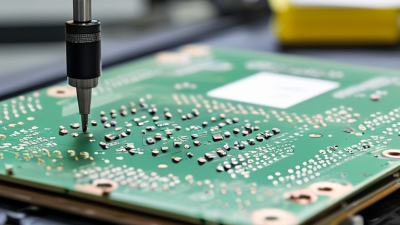
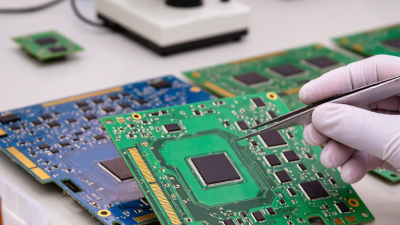
Choosing a reliable pcb fab supplier in 2026 requires more than comparing unit prices. Global buyers must examine engineering depth, production consistency, documentation, and communication. A factory may offer a low quotation, yet struggle with controlled impedance, fine-pitch components, or urgent engineering changes. That weakness can surface after tooling begins.
Dr. Eric Bogatin, a respected signal-integrity expert, often teaches, “If you want to control noise, control the return path.” His principle applies directly to supplier evaluation. A capable pcb fab partner should understand stackup design, copper distribution, return paths, dielectric selection, and impedance testing. It should also provide clear DFM feedback before production starts. Small details matter, including drill registration, surface finish, solder mask alignment, and panel utilization.
This guide reviews leading PCB fabrication suppliers for international buyers. It considers prototype support, multilayer capability, HDI experience, material sourcing, quality systems, inspection equipment, and export coordination. Certifications can support trust, but certificates alone do not guarantee stable results. Ask for recent production evidence, sample reports, and realistic lead times. Visit the facility when the project justifies the cost.
Some rankings remain imperfect. Supplier performance can change with capacity, staffing, materials, or regional pressure. Price comparisons can also mislead when specifications differ. A cheaper quote may exclude testing, tooling, or protective packaging. Buyers should challenge every assumption. The strongest choice is usually the supplier that communicates risks early, documents process control, and delivers repeatable boards—not merely attractive promises.

2026 Best PCB Fab Suppliers for Global Buyers
What Defines a Reliable PCB Fabrication Supplier in 2026
A reliable PCB fabrication supplier provides evidence, not polished promises. Buyers should review process controls, inspection records, and recent customer references before placing volume orders. Factory audits can reveal practical details, such as clean storage areas, calibrated equipment, and clear material labeling.
Engineering support matters early. Experienced suppliers check stackups, drill sizes, copper weights, and impedance requirements during DFM review. They should explain risks before production begins. A test coupon, microsection report, and electrical test record can confirm whether the delivered board matches the approved design. Small details matter.
Traceability builds confidence.
Global buyers also need documented compliance with applicable environmental and product requirements, including RoHS or REACH where relevant. Certificates should identify their issuing laboratory and validity period. Secure data handling, export documentation, and stable packaging reduce avoidable delays. Moisture barriers and shock protection matter during long-distance shipping.
Delivery history deserves careful examination. Ask for on-time performance by month, not a single impressive percentage. A pilot batch can expose problems with solder mask registration, edge quality, or surface finish consistency. No supplier is perfect, and audit findings may remain unresolved longer than expected. That is why corrective-action records should show owners, deadlines, and verification evidence. A dependable partner accepts difficult questions and shares measurable answers.
| Evaluation Dimension | What to Verify | Reliable-Supplier Evidence | Buyer Checkpoint |
|---|---|---|---|
| Quality management | Quality-system certification, scope, issuing body, and current validity. | A verifiable certificate covering the relevant manufacturing site and processes; documented corrective-action procedures. | Check the certificate directly with the issuer. ISO 9001 is a quality-management system standard, not a guarantee that every board is defect-free. |
| Automotive or industry-specific requirements | Whether the factory’s systems and product controls match the end-use sector. | Applicable certifications and documented controls for the specific site and product scope, where required by the buyer. | IATF 16949 is relevant to automotive quality-management systems; confirm customer-specific requirements separately. |
| PCB workmanship and acceptance criteria | The acceptance class, inspection criteria, and revision of the applicable standard. | A written agreement on applicable IPC documents, such as IPC-6012 for rigid printed boards and IPC-A-600 for acceptability, when appropriate. | Specify the required class and revision in the purchase documents; standards do not replace a clear drawing and acceptance plan. |
| Manufacturing capability | Layer count, copper weights, material options, finished-board thickness, minimum features, and via structures. | A current capability guide with tolerances and conditions, plus a design-specific DFM review before order acceptance. | Capabilities vary by stack-up, copper weight, material, and process. Ask the supplier to confirm each requirement for the actual design. |
| Electrical and visual inspection | Electrical test coverage, inspection methods, and the records supplied with the shipment. | A defined test plan using an appropriate method, such as flying-probe or fixture-based testing, with agreed acceptance criteria. | Confirm what is tested and whether test reports or certificates of conformance are available. Visual inspection alone does not verify electrical continuity. |
| Materials and environmental compliance | Laminate specifications, material traceability, and applicable substance restrictions. | Material identification and supporting declarations or documentation matched to the ordered product and destination market. | State applicable requirements, such as RoHS or REACH obligations, in the order. Request documentation rather than relying on a general compliance claim. |
| Lead time and delivery reliability | Quoted production time, shipping time, order assumptions, and communication of schedule changes. | A dated schedule that distinguishes fabrication from transit and identifies the events that start the production clock. | Compare like-for-like stack-ups and quantities. Treat advertised lead times as estimates until confirmed for the specific order. |
| Traceability and change control | Lot identification, revision control, process changes, and retention of production records. | A documented method linking shipped boards to production records, material lots, and the approved design revision. | Agree in advance how revisions are approved and what traceability information will appear on labels or accompanying documents. |
| Engineering support and DFM | Review of fabrication data, stack-up feasibility, and clear handling of proposed changes. | Written DFM findings, identified assumptions, and buyer approval before any design-affecting change. | Submit complete and consistent Gerber or other accepted fabrication data, drill files, stack-up details, and controlled notes. |
| Packaging, export, and after-sales support | Moisture and physical protection, shipping documents, customs responsibilities, and complaint handling. | Packaging suited to the product and shipment route, agreed delivery terms, and a documented process for investigating quality issues. | Confirm Incoterms, destination requirements, required documents, and the information needed to open a nonconformance claim. |
Note: This is a supplier-evaluation framework, not a ranking or a claim about any particular manufacturer. Confirm capabilities and requirements for each specific PCB design and order.