Top PCB Board Manufacturers for Global Buyers?
Choosing the top PCB board manufacturers for global buyers requires more than comparing prices or polished websites. A reliable supplier must prove capability through consistent quality, transparent communication, and measurable production controls. Buyers should examine copper weight, layer registration, impedance results, drilling accuracy, and solder-mask coverage. A factory sample can reveal more than a sales presentation.
John W. Mitchell, former IPC President and CEO, has emphasized, “Quality must be built into the process, not inspected into the product.” This principle remains highly relevant when evaluating international PCB suppliers. Strong manufacturers use automated optical inspection, electrical testing, microsection analysis, and documented corrective actions. Certifications such as ISO 9001, UL recognition, and IATF 16949 may also support confidence, depending on the application.
Yet certification alone does not guarantee a dependable partnership. A buyer should request traceability records, production photographs, realistic lead times, and references for similar board designs. Questions about factory ownership matter too. Some companies outsource critical steps without clearly explaining the arrangement. That uncertainty deserves attention.
Cost still matters. However, a low quotation may hide higher scrap rates, unstable delivery, or weak engineering support. The best manufacturers balance price, technical depth, capacity, and communication. Their teams review Gerber files carefully and identify manufacturability risks before production begins. No global ranking can suit every buyer. A medical device company, automotive supplier, and prototype developer need different strengths. Careful comparison remains essential, even when the supplier looks impressive at first glance.
PCB Manufacturing Industry Overview for Global Buyers
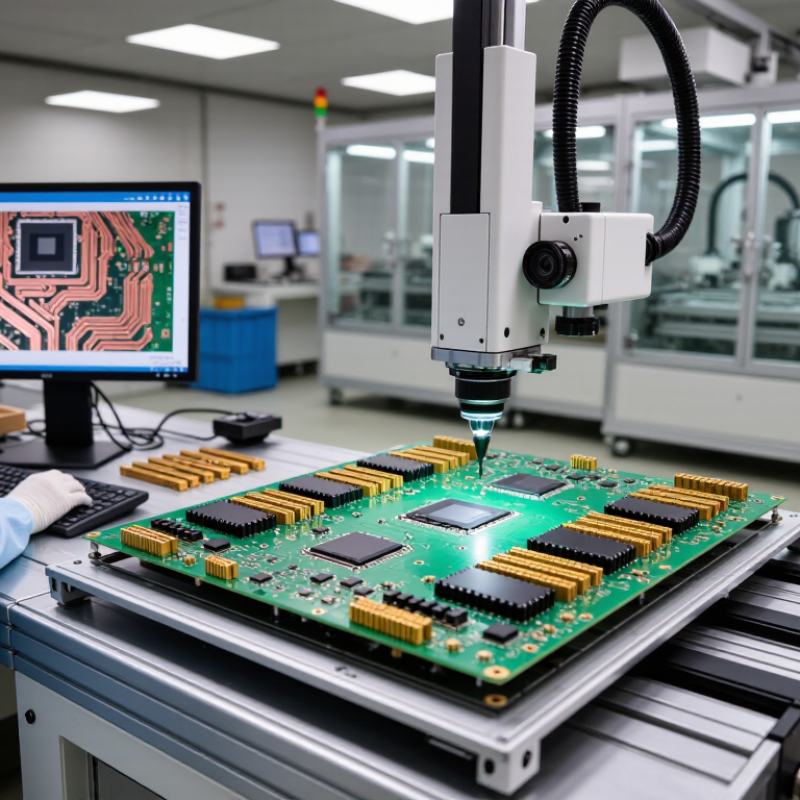
The PCB manufacturing industry supports nearly every modern electronic product, from industrial sensors to medical equipment. Global buyers usually compare fabrication quality, production capacity, certification, lead time, and communication before choosing a supplier. The process typically includes material preparation, circuit imaging, copper plating, drilling, solder mask application, surface finishing, and electrical testing.
Material selection affects performance. FR-4 remains common, while high-frequency and high-temperature designs require more specialized laminates. Layer count, copper thickness, impedance control, and minimum trace spacing should match the product’s operating conditions. A professional manufacturer reviews Gerber files, stack-up drawings, and drill data before production. This design-for-manufacturing review can prevent expensive revisions.
Quality evidence matters.
Reliable suppliers normally maintain documented inspection procedures and traceability records. Buyers should ask about automated optical inspection, flying-probe or fixture testing, cross-section analysis, and final visual checks. International certifications can support confidence, but certificates alone do not prove consistent workmanship. Recent production samples and clear corrective-action reports are more useful.
Global sourcing also involves practical risks. Shipping delays, changing material costs, and unclear engineering communication can disturb schedules. I have seen projects focus too heavily on unit price and overlook yield, packaging, and response time. That approach often becomes costly.
A better evaluation uses total landed cost, realistic sample approval, production capacity, and after-sales technical support. Even then, forecasts can be wrong, so buyers should keep contingency time for design changes and repeat testing.
Leading PCB Manufacturers by Region and Specialization
Regional specialization matters more than a simple list of top PCB manufacturers. Prismark’s 2024 market outlook estimated global PCB revenue at roughly US$73 billion, with Asia remaining the dominant production center. East Asian suppliers typically offer dense HDI, multilayer, and high-volume smartphone boards. Southeast Asia is expanding in automotive, industrial, and assembly-linked production. Capacity is growing there, but local supplier depth can vary.
North American manufacturers often focus on quick-turn prototypes, defense-grade traceability, and complex rigid-flex designs. European facilities commonly serve automotive, medical, and industrial controls, where documentation and process stability carry heavy weight. IPC’s 2024 electronics industry data continues to show uneven demand across sectors, so regional capacity should not be judged by factory size alone. A smaller plant may handle controlled prototypes better.
From supplier audits and sample reviews, practical evidence is revealing. Inspect impedance coupons, cross-sections, solder-mask alignment, and lot-level records. Ask how a factory manages copper thickness after plating. That detail matters. For automotive boards, I would verify thermal cycling and contamination controls. For high-density interconnects, laser-via filling and registration data deserve close attention. UL and IPC standards help, but certification alone is not proof of daily consistency. This is where buyers can misjudge suppliers. Price comparisons also miss tooling fees, yield loss, and corrective-action time. A regional shortlist should match the board’s technology, volume, compliance needs, and realistic delivery risk.
PCB Capabilities, Certifications, and Quality Standards
Choosing among top PCB board manufacturers requires more than comparing prices. Global buyers should examine capabilities, certifications, and daily quality controls. A reliable manufacturer should clearly state layer counts, minimum trace spacing, copper thickness, and material options. Advanced facilities may support HDI, rigid-flex, flexible, and high-frequency boards.
Certifications provide useful evidence, but they do not guarantee every shipment will be perfect. ISO 9001 supports consistent process management, while ISO 13485 suits medical applications and IATF 16949 supports automotive production. Buyers should also request compliance records for restricted substances and regional environmental requirements. Quality checks may include automated optical inspection, electrical testing, X-ray inspection, impedance testing, and microscopic cross-sections. These details reveal how carefully a factory controls hidden defects.
Tips: Request recent sample reports, not only certificates. Confirm whether testing covers your actual board design. Ask about traceability from raw laminate to final packing. A factory may claim tight tolerances, yet its production yield could be weak. That deserves attention. I once reviewed a supplier with excellent documentation but inconsistent solder-mask alignment. The lesson was simple: paperwork matters, but physical samples matter more. Ask for a pilot run, inspect drilled holes and edge finishing, and compare results against agreed acceptance criteria before placing a larger order.
How Global Buyers Can Select the Right PCB Manufacturer
How Global Buyers Can Select the Right PCB Manufacturer
Selecting a top PCB manufacturer requires more than comparing unit prices. Prismark’s 2024 market forecast estimated global PCB sales near 75 billion dollars, with growth driven by automotive, data infrastructure, and advanced computing. That scale creates choices, but not every factory fits every design. Ask for evidence of multilayer, HDI, rigid-flex, or high-frequency experience before requesting a quotation. A polished website proves little.
Review process control in detail. A reliable supplier should provide material certificates, impedance reports, solderability results, and lot-level traceability. Check whether its quality system follows ISO 9001 and whether production aligns with relevant IPC performance standards. IPC’s Global Electronics Manufacturing Sentiment data has repeatedly highlighted cost pressure and supply-chain uncertainty. Therefore, confirm copper foil sources, approved substitutes, and realistic capacity during demand spikes. Request a pilot build. It reveals more than a sales presentation.
Study engineering support, not only equipment lists. Ask for design-for-manufacturing feedback, drill capability, annular-ring limits, and test coverage. Compare response times across time zones. Small delays become expensive during revisions. I have seen quotations fail because tooling, testing, and freight were excluded. That mistake is common. Consider delivery performance, corrective-action records, export documentation, and business continuity plans. A factory that admits limitations may be safer than one promising everything. Reported market figures vary by research firm, so buyers should verify each claim against audit records, samples, and measurable production data.